Peter Yuan
 Image
ImageEastern Minimalist Scenes
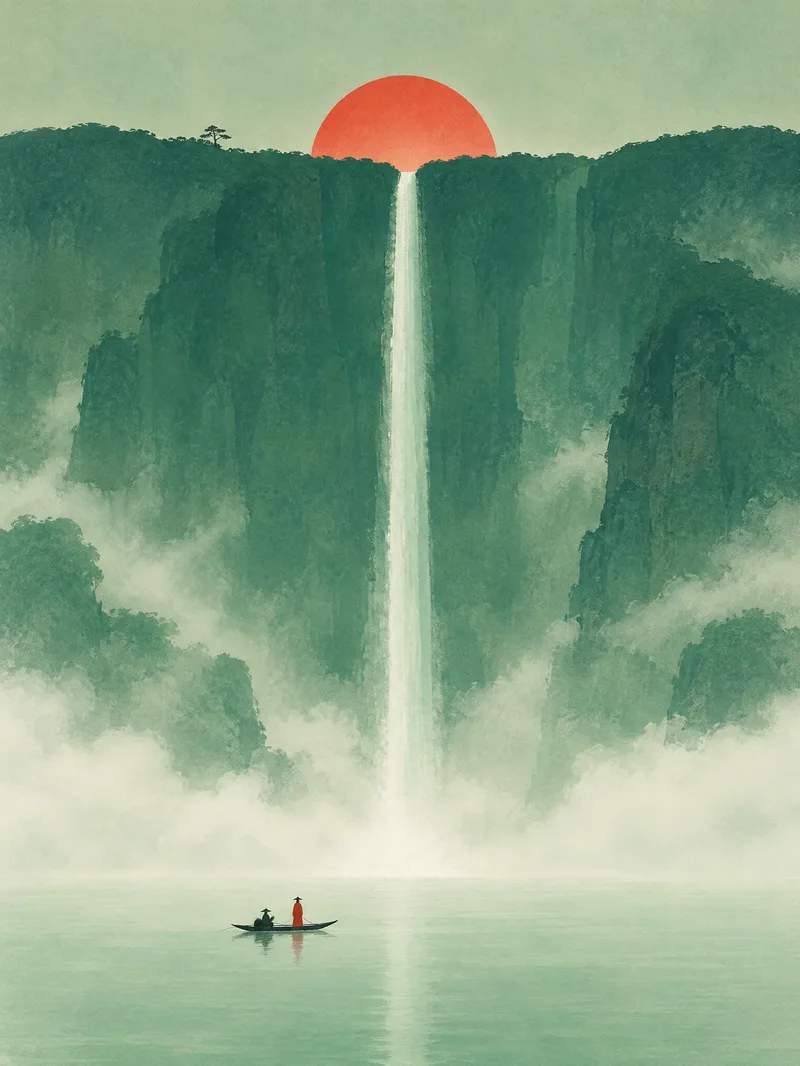
Turn a theme, emotion, or simple idea into a minimalist atmospheric illustration shaped by the Eastern aesthetic of negative space. Whether it’s an ancient temple, lotus pond, waterfall, covered bridge, or an abstract feeling such as “tranquility” or “solitude,” the idea becomes a tangible meditative scene. Vertical compositions, expansive areas of sky or water, and small details at the bottom create a quiet, spacious image with a strong sense of narrative. The artwork combines Chinese ink-wash traditions with a modern minimalist illustration language. Jade green, mineral green, vermilion, and warm ochre create striking color contrasts, complemented by soft watercolor washes, flat color blocks, and natural brush textures. Monumental subjects such as mountains, giant trees, cliffs, and traditional architecture are contrasted with tiny figures, highlighting awe, solitude, and poetic atmosphere while keeping the image clean—without text, watermarks, or modern elements. You can also simply ask to “generate randomly” for a complete Eastern meditative scene inspired by themes such as ancient temples, cascading waterfalls, lotus ponds, arched gates, covered bridges, pine forests, seas of clouds, and bamboo paths. If you specify a landscape or square format, the composition will be adjusted while preserving its generous negative space and small-scene design.
 Image
ImageMinimal Striped Fashion Print
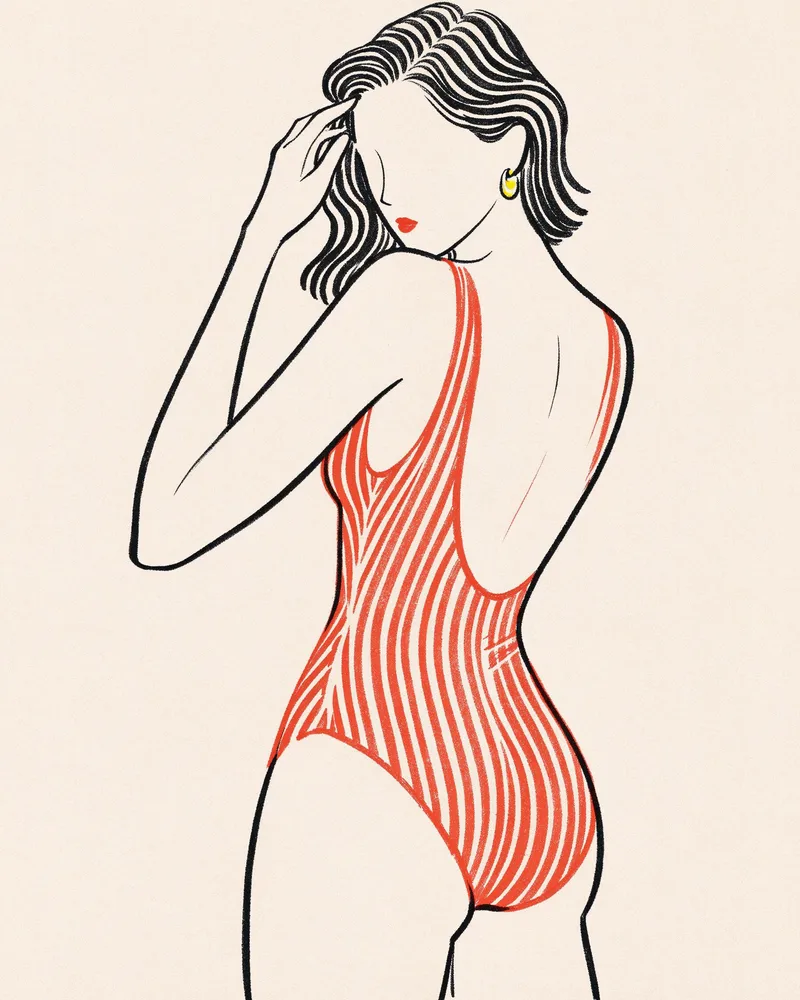
Turn a character description or photo into a restrained, spacious minimalist striped fashion print illustration, suited to adult fashion subjects such as swimwear, shirts, and dresses. The image uses warm off-white paper as its base, with a single figure outlined in bold ink lines with a subtle hand-drawn quality. Clothing is filled with irregular parallel stripes that naturally shift around the shoulders, waist, sleeves, and seams. Lines replace shadows and complex fabric shading, creating the quiet feel of contemporary editorial illustration. Figures typically use closed poses such as crossed arms, hands in pockets, touching the hair, or looking back over the shoulder. Close-ups, knee-up compositions, and bold cropping add a fashion-magazine feel. Faces are rendered as nearly blank planes, retaining only minimal lip or accessory details, so emotion is conveyed mainly through pose, neck angle, and composition. Colors are tightly controlled, with a matte screen-print, woodcut, or risograph texture. No environment, props, cast shadows, or unnecessary background elements are added. When a photo is provided, the subject’s identity, pose, and clothing structure can be preserved while the image is redrawn in a consistent line-based print style. From a text description, the framing, stripe direction, and color palette can also be determined automatically. The result is a vertical illustration suited to social media, fashion editorial visuals, or personal creative work.
 Image
ImageCozy Ink-Line Scenes
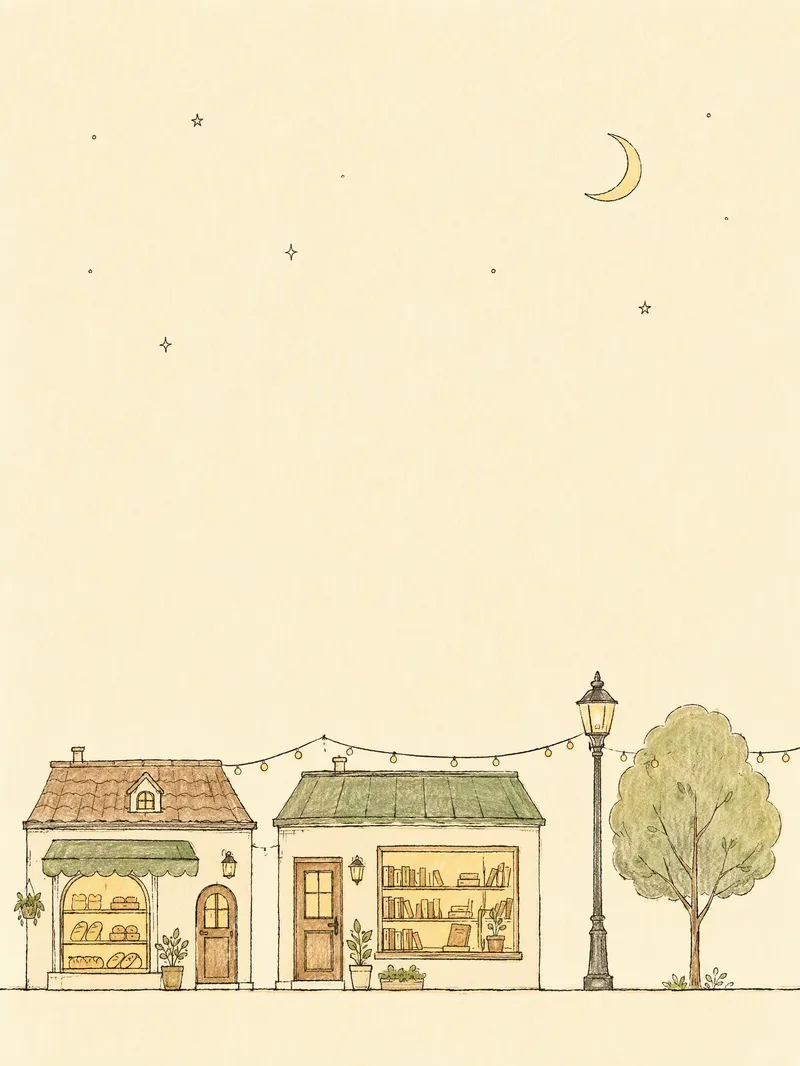
This Skill was created with the 【Image Generation Skill · Grandmaster】 Skill (https://youmind.com/skills/reference-image-skill-builder-RqmjHpF6UHmyjg?ref=DHFDMM). Turn any everyday scene—a corner of a room, a street-side shop, a single still life, a small-town nightscape, or a numbered mini-gallery—into a soothing vignette illustration with minimal hand-drawn ink lines, soft yet clearly defined pastel colors, and generous white space. It preserves the visual principles rather than a specific subject, so scenes can be freely changed. Accent colors such as green remain clear and substantial, while the overall style is quiet and light, making it suitable for journals, stickers, covers, and lifestyle imagery.
 Image
ImageHealing Small-Figure Art
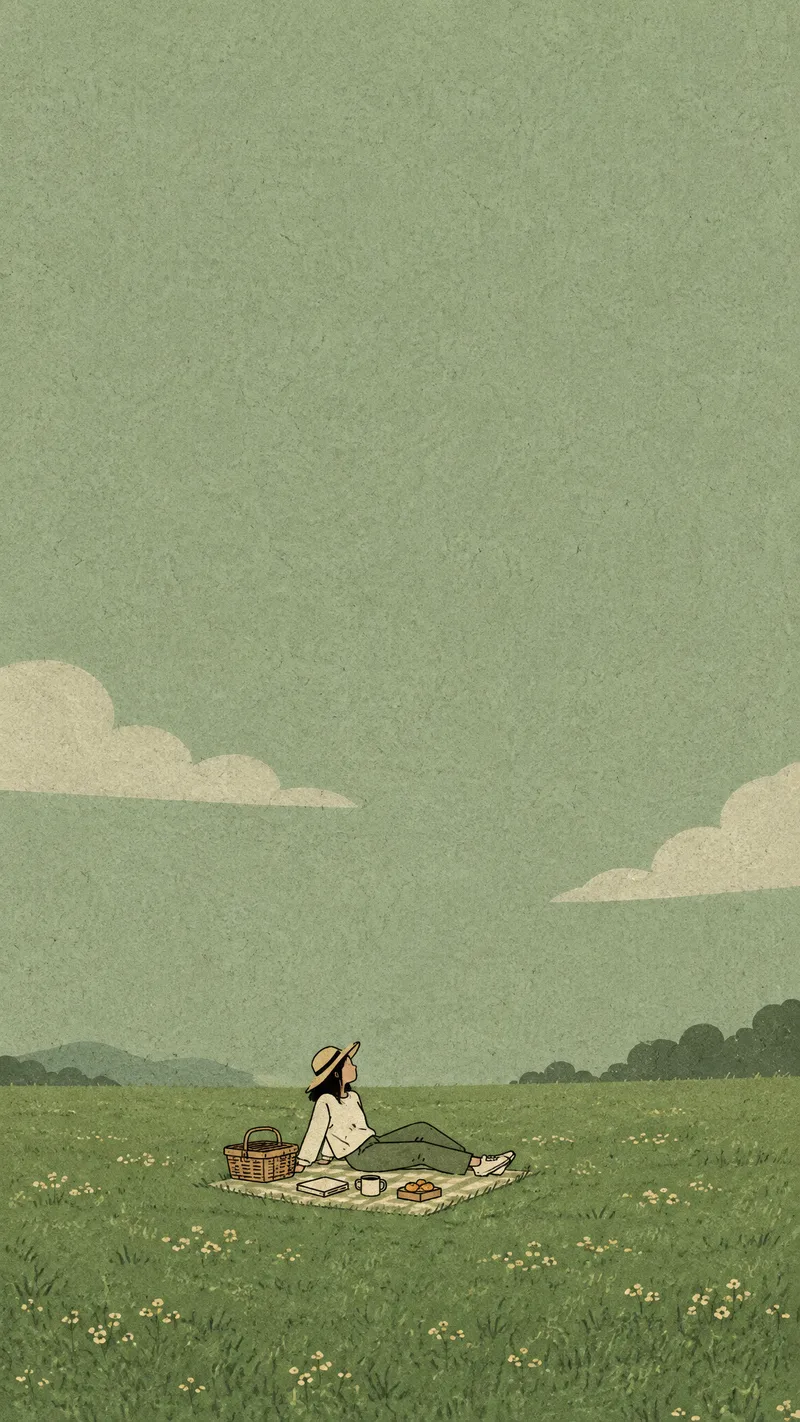
This Skill was created with the 【Image Generation Skill · xiaoxiaodong】 Skill (https://youmind.com/skills/reference-image-skill-builder-RqmjHpF6UHmyjg?ref=DHFDMM). Turn the quietness, solitude, and healing feeling of everyday life into low-saturation illustrations with generous negative space, designed for wallpapers and social media sharing. Whether it’s gazing out at the sea, reading on the grass, walking alone, or spending a moment with a pet, the “small figure + large background” visual approach highlights a relaxed, natural mood. The artwork uses a vertical composition and expansive negative space, with people, animals, or a few props resting quietly at the bottom or lower middle. Soft Morandi and macaron color blocks form the sky, sea, grass, or distant mountains, paired with simple hand-drawn outlines, flat coloring, and a subtle paper-grain texture for a vintage, gentle, and quietly poetic look. Poses focus on relaxed states such as lying down, sitting quietly, reading, walking, or gazing into the distance, while avoiding complex expressions and ornate decoration. Ideal for phone wallpapers, social media story covers, mood illustrations, lifestyle content, and healing visuals with short text. Simply provide the scene, mood, or elements of companionship you want to express to receive a restrained, quiet illustration direction with plenty of breathing room.
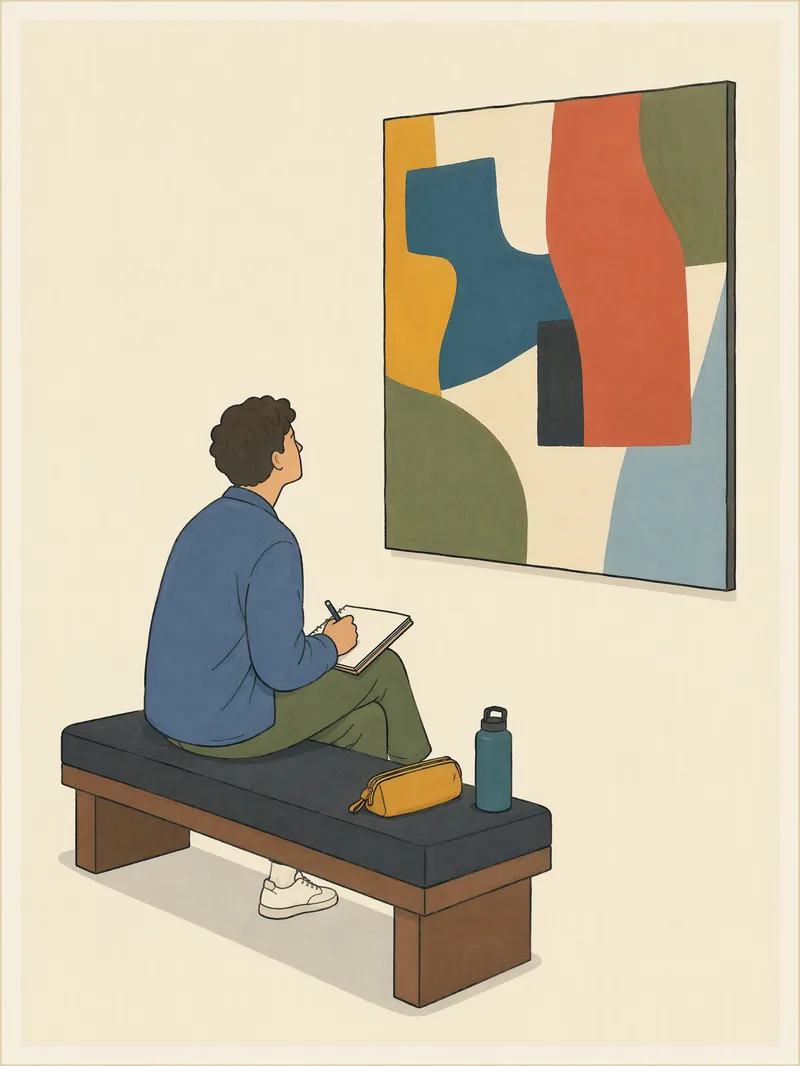
Hand-Drawn City Life Set
The visual style is distilled from Japanese illustrator 【shio】https://www.shiodrawing.com/about, who is currently based in London. This Skill was created by 【生图技能·祖师爷】https://youmind.com/skills/reference-image-skill-builder-RqmjHpF6UHmyjg?ref=DHFDMM Turn a country, city, and theme into a set of hand-drawn illustrations that capture the feel of everyday local life. Whether focused on daily routines, commuting, weekends, or nightlife, the set centers on authentic moments of ordinary people and distinctive settings such as cafés, public transit, street-side spaces, workplaces, and parks—not just landmark views or tourist snapshots. Generate 1–10 illustrations, with 6 by default. Each image is different while maintaining a consistent portrait composition, an observational view of people, low-saturation colors, and clean, smooth flat-color textures. The set is suitable for city-themed content, lifestyle features, social media visuals, editorial publishing, or organizing personal inspiration, presenting rich and natural urban moments across indoor and outdoor spaces, solitude and group settings. The first image can serve as a cover, with the option to add the title “People in [City]”, or the entire set can be created without text. If you provide only a city, the Skill can also fill in basic details based on context and generate a corresponding set of everyday city-life illustrations.
 Image
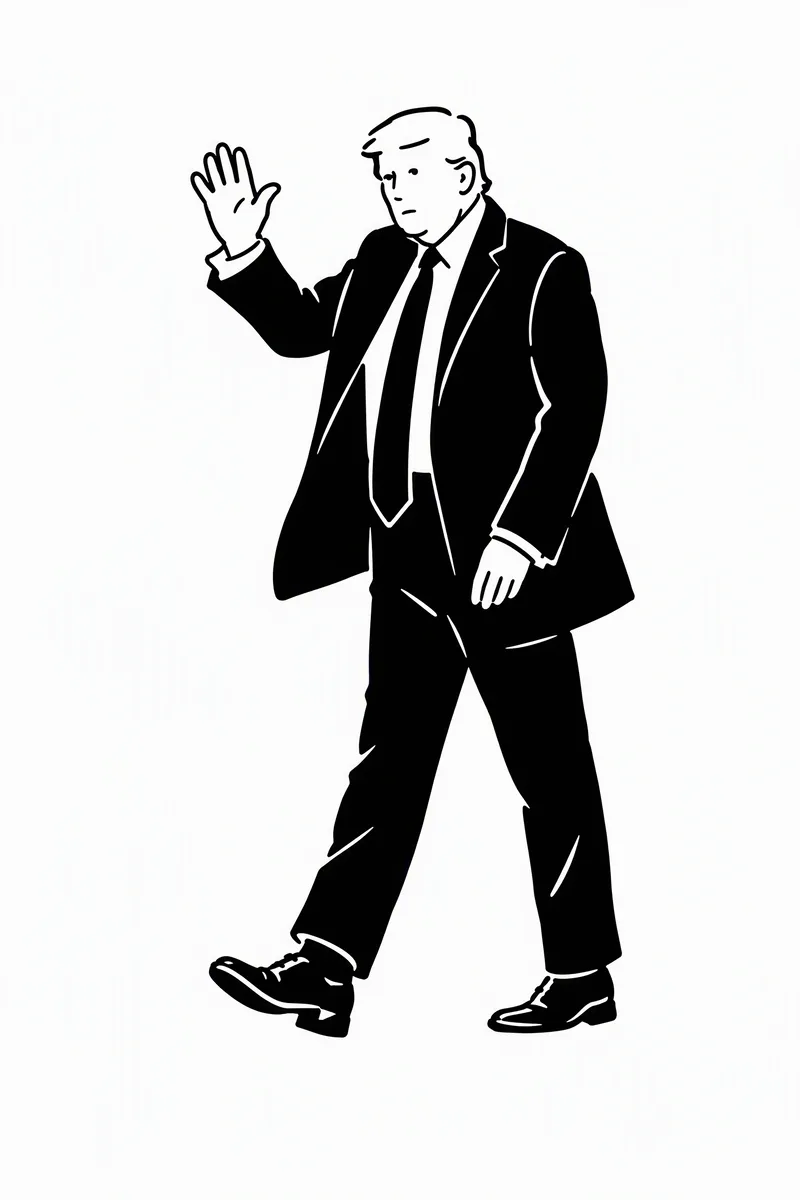
ImageWalking Figure Ink Art
This skill was created with the 【生图技能·祖师爷】 skill (https://youmind.com/skills/reference-image-skill-builder-RqmjHpF6UHmyjg?ref=DHFDMM). Turn walking figures into pure black-and-white ink line illustrations for editorial artwork, character columns, commuting-themed content, and character line art. Bold, hand-drawn contour lines define the pose and clothing structure, while a few solid black shapes convey silhouettes and visual weight. Minimal facial features, a pure white background, and generous negative space create a clean, striking illustration style. Describe the person’s gender, age range, body type, walking action, direction, clothing, and props in text, or upload a photo for style conversion. Text input generates a full-body walking figure; photo input preserves the person’s pose, silhouette, clothing structure, props, and composition while removing the background, brand logos, and text. The image is rendered in a black-and-white ink line style with no grayscale, color, or gradients. Portrait composition is used by default, and you can specify the canvas dimensions as needed.
 Image
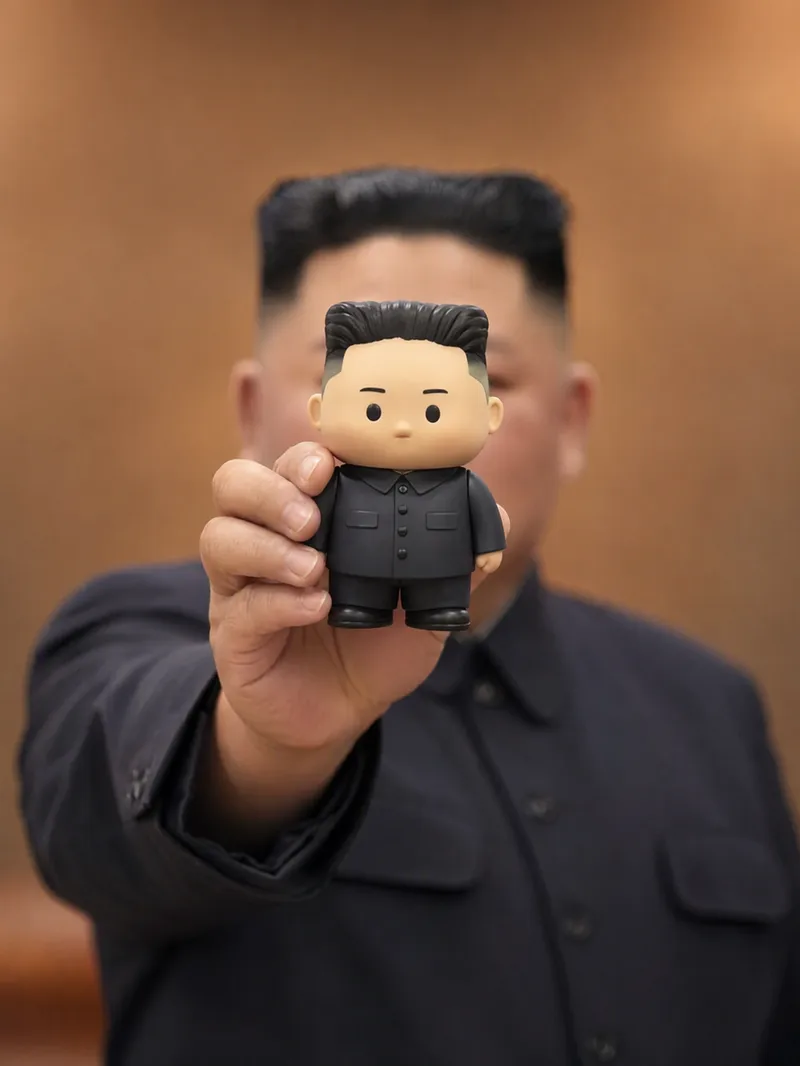
ImageMini-Me Chibi Figure Promo
This skill was created by: 【Image Generation Skill · Grandmaster】 https://youmind.com/skills/reference-image-skill-builder-RqmjHpF6UHmyjg?ref=DHFDMM Turn a designer toy character, brand mascot, or outfit concept into a vertical promotional image of a real person holding a mini version of themselves. The image highlights the visual match between the character and the person. You can provide character details, an outfit description, or a reference image to create a scene where a real person holds a matte chibi figure that matches their appearance detail by detail. The figure faces the camera and covers the person’s face, while the person’s body and the background remain heavily blurred, making the mini figure the only sharp focal point. The image carefully matches details such as clothing, hairstyle and hair color, hats, glasses, bags, shoes, jewelry, and handheld items. It uses warm tones, shallow depth of field, and a centered, slightly lower vertical composition. It is suitable for blind-box character showcases, designer toy concept art, physicalized brand mascots, and “mini-me” outfit promotions. Reference images are used only for visual and compositional inspiration and will not copy their brands, copy, or specific character designs. If you provide promotional copy, it can appear above the figure as bright yellow, rounded, curved lettering with natural overlap. Without promotional copy, the image will remain clean and text-free.
 Image
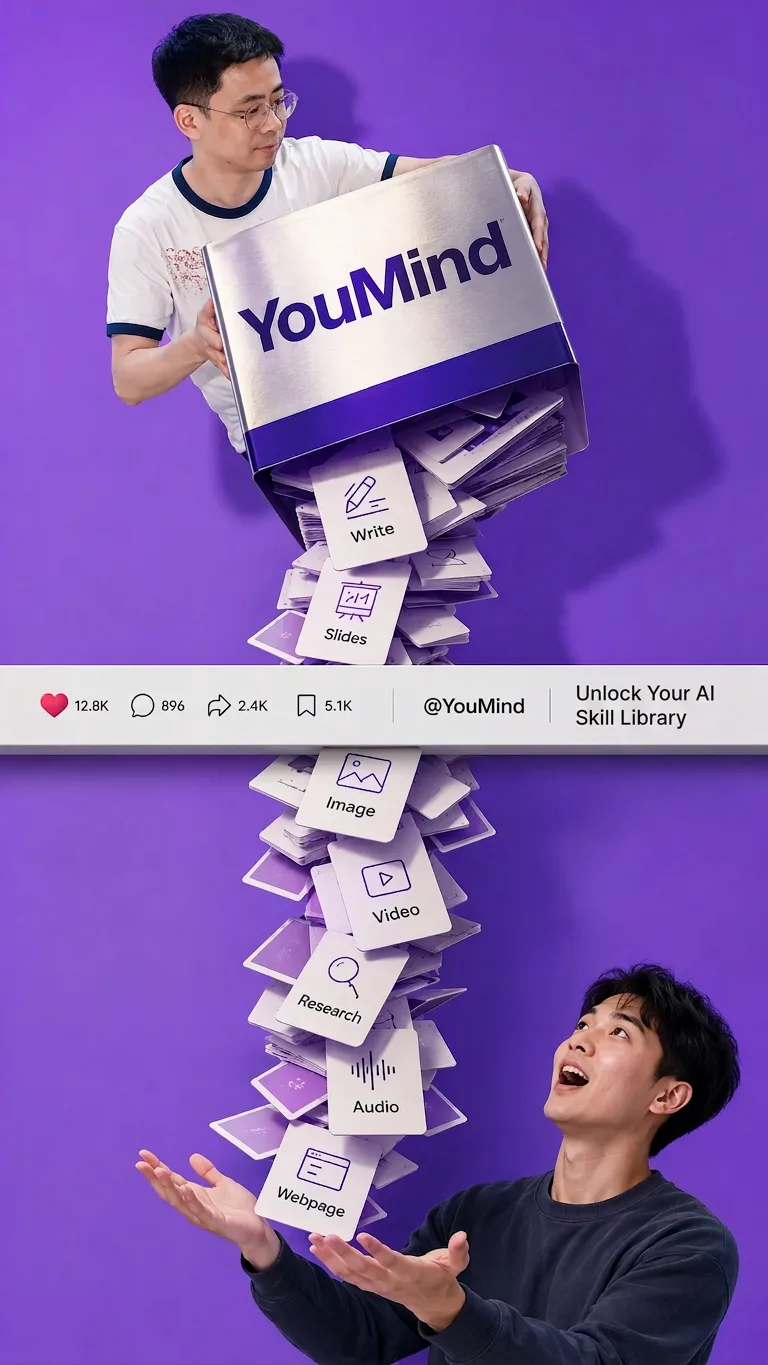
ImageSocial Feed Giant-Pour Poster
This Skill was created by 【Image Generation Skill · Grandmaster】 (https://youmind.com/skills/reference-image-skill-builder-RqmjHpF6UHmyjg), with production-ready results! Want your own image-generation Skill? Install 【Image Generation Skill · Grandmaster】 and build your own image-generation Skill! Turn beverages, FMCG products, physical products, or B2B concepts into vertical commercial ad posters with strong visual impact: enlarge the branded product into a “giant” far larger than the person, angled forward from above, while liquids, ice cubes, fruit pulp, paper slips, or physical contents continuously pour downward through the social media interface strip across the center of the image, finally landing in a person’s open mouth, outstretched hands, basket, or other receiving object. You can provide the subject category, brand name, product, contents, receiving method, and preferences such as background color, aspect ratio, giant-product scale, and ad copy. If unspecified, the concept defaults to a beverage or FMCG direction. The generated image uses a three-part vertical composition, with a horizontal strip of likes, comments, shares, and other social media information running across the center to reinforce the concept of “content passing through the interface.” It also combines liquid highlights, ice refraction, paper’s matte finish, or metallic reflections with soft studio lighting, clear shadows, and a realistic commercial advertising look. It is suited to new product launches, social media advertising, brand concept proposals, beverage and FMCG marketing, and creative visual expression for physical and industrial products. The result focuses on continuous pouring, giant-product proportions, readable brand text, visual depth, and the structure of the person’s hands and mouth, while reducing broken streams, impossible gravity, incorrect text, and distorted social media interfaces.
活文档:记录每个已编译视觉模式的最新版本与稳定 ID。
注册表
| signature | 名称 | version | status | Pattern Group | 规格 | 技能 | Active Memory | Test Report |
|---|---|---|---|---|---|---|---|---|
SOCIAL_FEED_CASCADE | 社媒分割带 · 巨物倾泻海报 | v1.0.0 | STABLE | 01a0c657-e4db-7500-b8e5-eb0e5829531c | 01a0c65a-3ff3-7677-9707-5bbd568109c1 | 01a0c65a-4030-75b2-805b-78a15b92c7ed | 01a0c65a-6cb5-7364-aea2-0f129e27ad93 | 01a0c65a-6c82-7bca-804b-08d80d41cfd7 |
BOUNDARY_BREACH_REACH | 越界伸手 · 前景锚定海报 | v1.0.0 | STABLE | 01a0c6c6-6953-75fb-9f99-5e51feb38090 | 01a0c6c7-1371-7ddf-b059-1700d31a1fd9 | 01a0c6c7-9f1a-7051-8789-ca1c4b743ad1 | 01a0c6c7-9f1c-7167-b069-1746e4b69bbf | 01a0c6c7-9f1a-7051-8789-ca1b4fa01501 |
HANDHELD_MINIME_FIGURINE | 掌中同款潮玩人偶 · 虚化真身 | v1.3.0 | STABLE | 01a0c858-5afd-7b18-b6a2-d92ba51dd6a8 | 01a0c86e-0caf-7cf2-b156-dbaeb4102a0e | 01a0c86e-0d02-7010-9144-6e653923e2de | 01a0c859-d27c-7266-9107-7bcb789b5a10 | 01a0c86e-0d4d-7caf-bb6e-1ef572a75b11 |
MONOCHROME_INK_STRIDE_FIGURE | 黑白墨线行走人物 | v1.1.0 | STABLE | 01a0cd48-2c2b-722b-a9d0-16a302035aeb | 01a0cd53-e8f0-79f4-acef-975b83aefd74 | 01a0cd53-ea83-7f12-af20-1fb8eb7bc06c | 01a0cd4b-d53c-7ddd-a07b-ecdfdbb8d5e5 | 01a0cd53-eb29-718c-95b7-263d6f9bfd51 |
COZY_INK_LINEART_VIGNETTE | 温馨墨线手绘小景 · 治愈系留白插画 | v1.0.1 | STABLE | 01a0d7b4-ed46-7e6e-bcac-40b9a11a4184 | 01a0d7b9-9697-7bc4-ac02-7779cd20d300 | 01a0d7b9-9700-7f5e-8cef-545481688fc8 | 01a0d7b5-e61b-74d0-87e3-b964772269f0 | 01a0d7b9-9a2b-7d0f-9a65-f4dfbf6d304a |
稳定 ID 明细
- pattern_signature: SOCIAL_FEED_CASCADE
  latest_version: v1.0.0
  status: STABLE
  board_id: "01a0c657-cb25-7235-aebc-d1552ffc00c0"
  group_id: "01a0c657-e4db-7500-b8e5-eb0e5829531c"
  documents:
    pattern_index: "01a0c65a-b6c3-7a8f-91a6-4a2065ed8767"
    pattern_specification: "01a0c65a-3ff3-7677-9707-5bbd568109c1"
    compiled_skill: "01a0c65a-4030-75b2-805b-78a15b92c7ed"
Image Generation Grandmaster
If you want to extract production-ready image-generation Skills from reference images on YouMind in one streamlined process, this is the grandmaster-level option. Creating a new Skill costs around 300 credits, turning you into an image-generation Skill-making machine and helping you avoid Skills that cost thousands. With reference images, you can build what you need yourself. Personally tested and effective; see the task examples for details. It distills the visual mechanisms in reference images into reusable, testable image-generation Skills. The subject can change while the composition, spatial logic, material appearance, and visual hierarchy are preserved, rather than simply copying the original image. It is suited to creators and teams that need to establish a consistent visual style, reuse design principles, or evaluate existing generation Skills. Use it to compile visual rules, test existing Skills, calibrate based on feedback, run historical regressions, and publish versions. It clearly identifies the scope of application, fixed invariants, adjustable variables, adaptation rules, and common failure modes. It also distinguishes between an image that is high quality and one that truly preserves the visual mechanism, helping you identify why a generated result has deviated from the underlying rules. The final results may include a structured visual specification, an independent Skill, a test plan or audit report, along with calibration patches, regression results, and release records. When image generation or visual inspection is unavailable, complete test prompts are retained and the pending-verification status is clearly indicated. Once confirmed, rules, failure diagnoses, and version information can continue to be recorded in YouMind for future maintenance and reuse.
 Image
ImageMarble Sculpture Generator
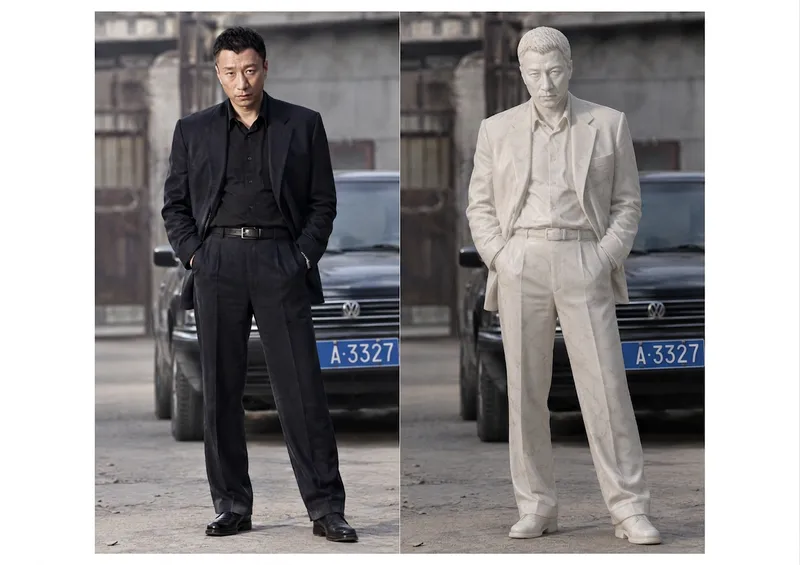
Transform a clearly defined subject from a reference image—such as a person, group photo, animal, pet, doll, illustrated character, car, building, piece of furniture, musical instrument, or other object—into a marble sculpture with convincing three-dimensional form and believable carving logic. It prioritizes preserving the subject’s identity, species or product characteristics, silhouette, pose, proportions, expression, clothing, accessories, props, and original composition, so the result looks like it was actually carved by a sculptor rather than simply covered with a white filter. Clothing and accessories are translated into stone-carved details, animals retain their breed and body structure, and objects preserve their most recognizable design features wherever possible. The eyes are rendered as opaque, matte marble integrated with the face, using shallow eye sockets, subtly raised irises, and carved pupils to convey expression while avoiding glass eyes, glossy eyeballs, or a plastic appearance. Hair, skin, and fabric are unified into continuous sculpted forms while retaining their original contours and details. By default, the reference image’s background, viewpoint, subject placement, and aspect ratio are preserved, with restrained mineral textures, natural stone variation, chisel marks, realistic thickness, contact shadows, and soft lighting added. You can also specify a museum gallery, sculpture pedestal, or colonnade, or choose a sculptural style such as Ancient Greek, Roman, Renaissance, or Neoclassical. Without a reference image, it can generate an original marble statue from a text description and adjust the pose, setting, material tones, and aspect ratio to suit your needs.
LessWrong: Disputes & Decisions
Turn controversial issues, policy discussions, article arguments, and comment-section disputes into clearer, testable analysis that can guide action. This skill draws on the LessWrong rationalist tradition, but does not represent an official LessWrong position. Its focus is not on winning debates, but on distinguishing facts, causal explanations, value judgments, policy proposals, predictions, and personal strategies—and avoiding the mistake of treating emotion, conviction, or volume as evidence. It helps you examine evidence quality, unknowns, base rates, and alternative explanations; identify exaggerated claims such as “everyone thinks,” anecdotal reasoning presented as a general rule, attacks on motives, and identity-based arguments; and steelman the other side’s most reasonable position. It also looks for the real disagreements that would change the conclusion and analyzes the relationship between incentives, constraints, and practical action. Whether you are reviewing a controversial article, improving your own argument, understanding a comment-section conflict, or comparing options with incomplete information, you will receive tentative conclusions, key reservations, conditions for updating your judgment, and suggested next steps. For time-sensitive or specialized facts, it will clearly identify what needs further verification rather than filling gaps with false certainty.
Social & Forum Mockups
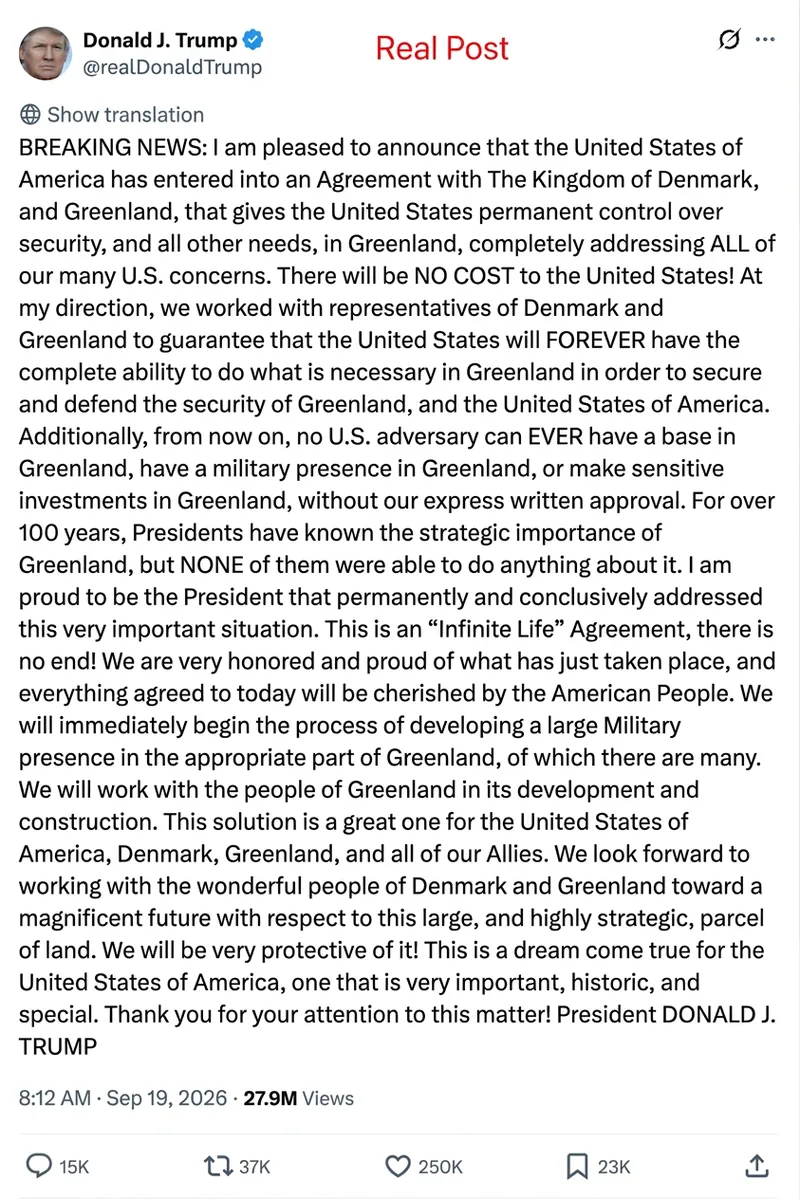
Turn the platform, avatar, username, engagement data, post text, and images you provide into realistic SNS or community post visuals with recognizable platform identity. Whether it’s Zhihu, Xiaohongshu, Weibo, Douyin, V2EX, X, Instagram, Reddit, LinkedIn, GitHub, or another social or forum platform, the result follows the platform’s information architecture, layout density, colors, type hierarchy, and interaction controls to look more like a real webpage or app screenshot than a generic social media template. You can provide structured information directly, upload reference screenshots, avatars, post images, or video covers, or simply describe your needs in natural language. Reference screenshots can be used to recreate the layout and visual hierarchy, while your uploaded avatars, media, text, and numbers are preserved as the core content. Long text is adapted to a more natural long screenshot or continuous layout, and multi-image posts are arranged according to platform conventions. Suitable for design presentations, content creation, product prototypes, social media concept visuals, and visual mockups. Generated content aims to avoid rewriting text, changing engagement data, or adding fictional information without permission. For promotional, news, or public-opinion scenarios, clearly label the result as a Mockup, concept visual, or presentation to avoid it being mistaken for a genuine platform record.
 Image
ImageWatercolor Urban Fashion
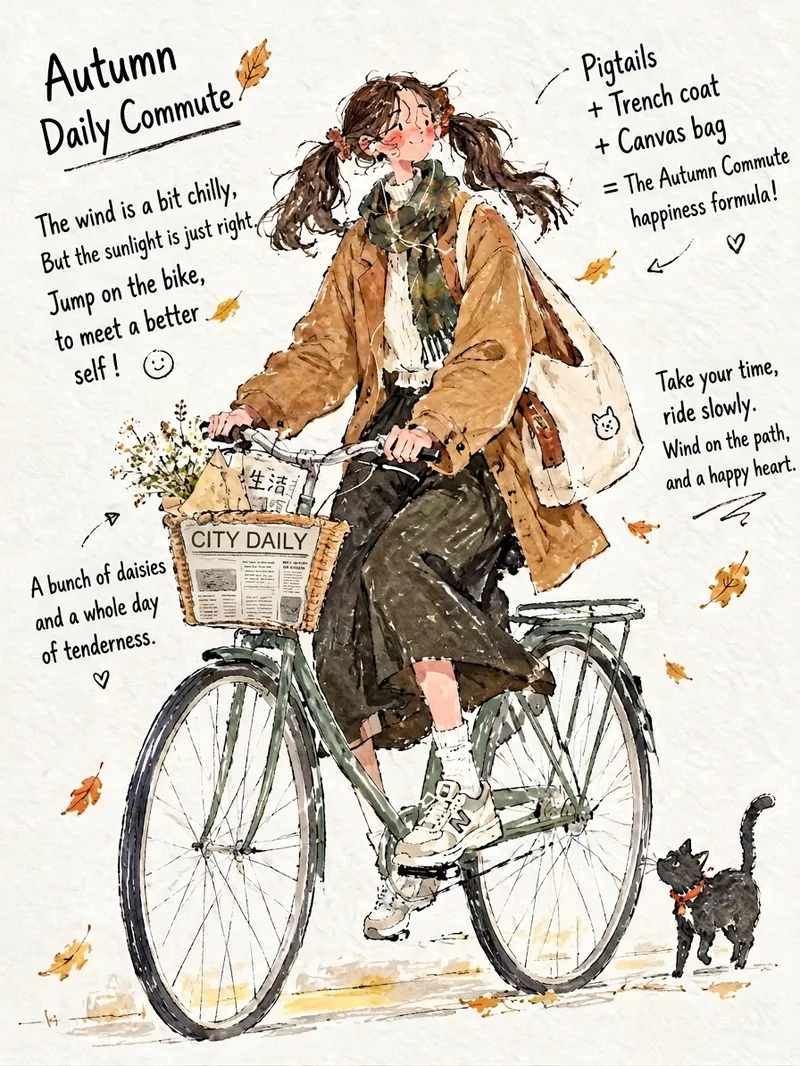
Turn a person, outfit, urban setting, or creative theme into a watercolor, hand-painted fashion illustration concept ready for image generation. It focuses on a relaxed, confident, and artistic urban aesthetic, combining slightly elongated, exaggerated fashion-illustration proportions, richly layered casual outfits, bright and warm colors, and everyday props such as coffee cups, bouquets, books, pets, and shopping bags. These elements create a light, natural sense of story between the person and their surroundings. You’ll receive clear character and scene settings, complete Chinese prompts for image generation, negative prompts, and composition suggestions suited to different uses. The artwork emphasizes watercolor or gouache color blocks, ink linework, colored-pencil or marker textures, natural bleeding, paper grain, and a handmade warmth, while also allowing for the generous negative space of a journal page or illustration card. Chinese copy provided by the user can be naturally integrated into the image; when none is provided, the tool can add a short handwritten-style phrase based on the theme. Urban women, men, nonbinary people, and adult fashion figures of unspecified gender can all be created according to the request. This Skill is suited to fashion illustrations, social media graphics, phone or computer wallpapers, illustration cards, and lifestyle visual concepts. Ordinary portraits, photorealistic people, and complex cinematic scenes are outside its primary use.
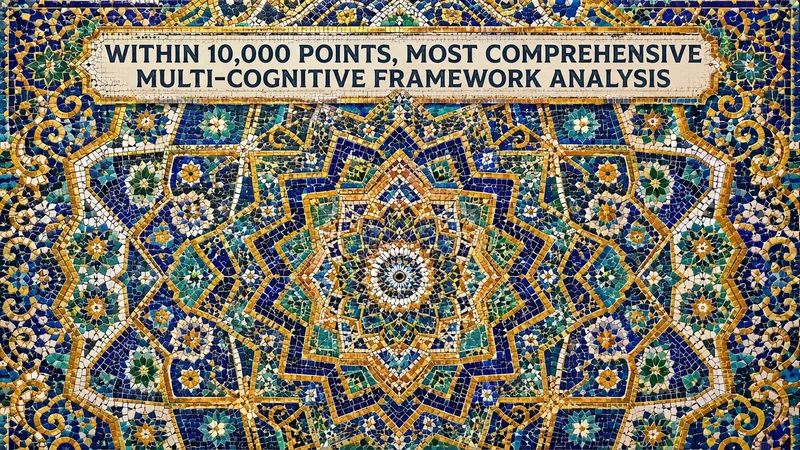
Multi-Framework Analysis
Turn complex problems into structured, multi-perspective analyses that can be reviewed, verified, and used to support next steps. Whether you are evaluating career choices, business and product decisions, social phenomena, controversial issues, trending topics, innovations, or abstract concepts, this Skill first clarifies the subject, goals, constraints, known information, and key unknowns. It then selects complementary cognitive frameworks based on the task, avoiding a pileup of concepts or repeated versions of the same conclusion. The analysis clearly distinguishes between information provided by the user, verified facts, general principles, assumptions, inferences, and content that still needs validation. It places evidence, mechanisms, counterevidence, alternative explanations, and uncertainty within a clear chain of reasoning. For time-sensitive, controversial, specialized, or high-risk facts, it can use targeted web searches and verify original sources. When sources conflict, it preserves the differences rather than filling gaps with unverified data or overly certain claims. The final output typically includes a problem profile; the framework selection and analysis of each framework; areas of agreement and disagreement across perspectives; sensitive variables; blind spots and failure conditions; and conditional conclusions with confidence levels. It does not replace professional medical, legal, investment, tax, or other advice. Instead, it helps you identify the factors that truly affect judgment and design minimal validation steps, information-gathering plans, decision gates, or reversible next steps. Simple questions can be condensed into a brief assessment, while complex or multi-subject tasks can be developed into a complete analytical report.
 Image
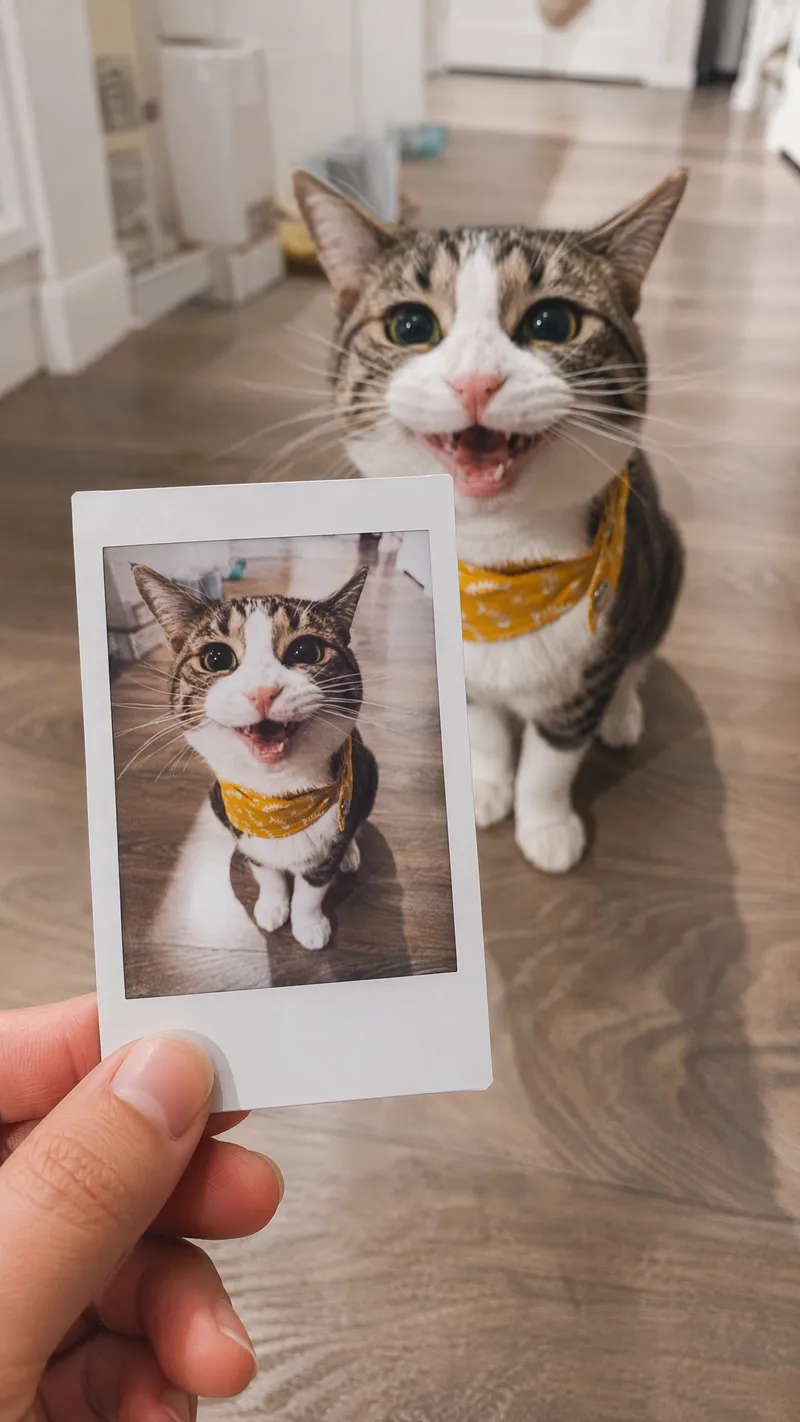
ImageSame-Scene Instant Photo
Turn an image or natural-language scene description into a realistic, natural-looking handheld instant photo: a hand holds a physical white-bordered instant print in the foreground, while the real scene from the same place and moment appears in the background, creating a coherent picture-within-picture effect. Whether the subject is a landscape, urban architecture, person, animal, car, product, or everyday object, the image preserves its key appearance and places it in a plausible real-world setting—not simply pasted into a frame. The results emphasize authentic photographic qualities, including natural perspective, paper texture, contact shadows, hand details, moderate depth of field, and the casual feel of a phone snapshot. Mountains, buildings, people, animals, and other subjects in the instant photo correspond to the background, allowing viewers to directly compare the image inside the print with the real scene outside it. Unnatural elements such as floating cards, digital collages, design lines, and excess text are avoided. The composition automatically adapts to landscape, portrait, or square formats based on the original image or your specified aspect ratio, while keeping the instant photo in your hand aligned with the final image. You can also use natural language to adjust the photo’s position, tilt, size, background clarity, lighting, and overall style. It’s suitable for travel photography, life documentation, and scene images with a convincing realistic illusion.
 Image
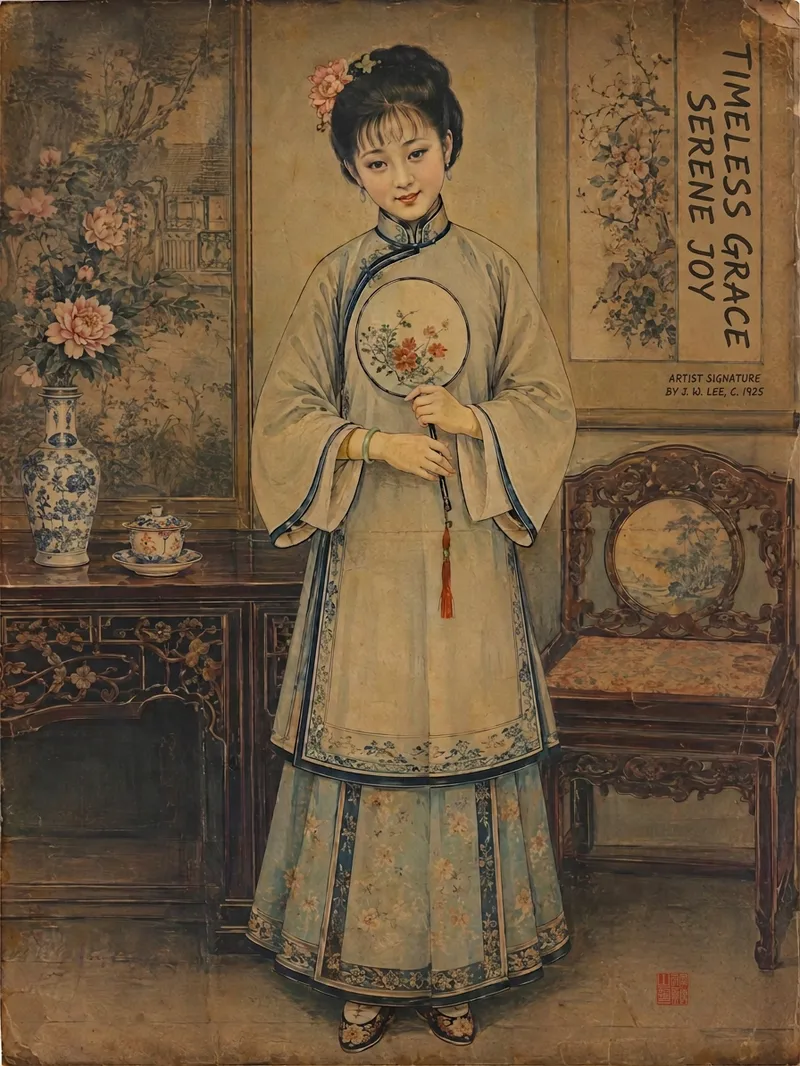
ImageRepublic-Era Image Restoration
Turn “Republic-era style” into visual materials grounded in the period, with credible textures and production details—instead of applying a generic retro filter. Whether you’re working with calendar posters, old photographs, studio portraits, <良友> pictorial covers, cigarette cards, newspaper ads, product packaging, or Shikumen interiors and New Year picture opera sheets, you’ll get image concepts that more closely reflect authentic historical aesthetics, based on the specific era, people’s identities, production techniques, and material qualities. Enter a theme, image, or modern photo to receive bilingual Chinese-English prompts for AI image generation, negative prompts, and aspect-ratio recommendations. Images can also be generated directly when needed. The process focuses on details such as qipao silhouettes, hairstyles, makeup, class-specific character, paper aging, halftone printing, hand coloring, and misregistered color layers—avoiding the “period drama Republic-era look” created by brand-new costumes, modern studio lighting, digital sharpening, and plastic-like textures. Each delivery also includes a concise material history explaining its period context, purpose, and visual features. For text-heavy ads, packaging, and opera sheets, compositions can be prepared for direct image generation or later typesetting. For real historical figures, fictional people with comparable identities are used instead, clearly labeled as AI-generated and styled as historical-material restorations.
文字剔骨师是我和AI多轮对话之后得到的文字重塑方法论,我自认为这套方法论可以帮助任何文字写作者提升审美和品味以及创作技能和功力。
🔪 剔骨解剖 1. 作者抢戏 · 心理垫字:“我自认为这套方法论可以……” - 诊断:下刀之前先给自己发个奖状。“自认为”是心虚的缓冲垫,等于当众承认这结论没底,一句就把底气泄光。 - 处置:整段切除。方法由方法自证,不由作者代言。 2. 同义内耗 · 三字一组站岗:“提升审美和品味以及创作技能和功力” - 诊断:“审美≈品味”,“技能≈功力”,两对近义词并排报销,字数翻倍,信息原地踏步。四个大词摞在一起,密度为零。 - 处置:每对只留一个能上秤的词,砍到见骨。 3. 抽象空转 · 物理失明:“提升审美和品味……” - 诊断:满腔“审美、品味、技能、功力”,拿不出一件有重量、有温度、有声响的东西。读者听你敲锣,看不见舞台。 - 处置:把“提升”换成人能看见的动作——写作者究竟多做了什么、少写了什么。 4. 语义叠影 · 定语压死主干:“文字剔骨师是我和AI多轮对话之后得到的文字重塑方法论” - 诊断:“剔骨”与“重塑”本是一回事,前后重复报销;“我和AI多轮对话之后得到的”这串长定语又软又长,几只手一起摁住主干,主语半天喘不上气。 - 处置:砍掉语义重复,把长定语切成独立短句,让“文字剔骨师=一套方法”当场咬合。 5. 虚词注水:“任何文字写作者” - 诊断:“文字”与“写作者”语义重叠,多挂一字;“任何”是虚张声势的放大词,兑水不提味。 - 处置:撤掉“文字”与“任何”,只留“写作者”。 🔨 双重重塑 1. 平实版(骨架端正 · 极高密度) > 文字剔骨师,是我和 AI 多轮对话磨出的一套文字重塑法。它能让写作者分辨好坏,也知道坏在哪里、怎么改。 2. 冷峻版(骨相凛冽 · 跃迁四阶法) > 一具文字摊上案台。骨头松的,挑断;皮肉烂的,剜掉;脂肪厚的,削平。三刀走净,血水抹去,铅字才肯立起来。 ⚡ 课后一刺 你给一把剔骨刀配了段软塌塌的自我介绍。先拿它割自己一句,再谈它能救谁。
Copy Editing & Dual Rewrite
Use this skill to sharpen your observation and writing.\n\nIt turns loose, overdecorated, and logically uneven articles and copy into finished drafts with a clear structure and forceful language. Whether you’re working with short sentences, paragraphs, or expressed ideas, it carefully diagnoses issues such as typos, overuse of filler words, disconnected syntax, stacked modifiers, and confusion in time or space, then points out the specific problems and how to revise them.\n\nWhile preserving the original meaning, it produces two rewritten versions: the plain version removes excess and strengthens information density and sentence structure; the austere version compresses abstract judgments further, shifting toward more concrete actions, objects, and scenes. The result is less self-conscious performance and more solid, resonant prose. It’s suitable for novel excerpts, essays, commentary, social media copy, and personal writing that needs refinement.\n\nYou’ll receive a direct diagnosis of the writing issues, along with two rewrite options for easy comparison and further polishing. This helps identify habitual clichés, vague concepts, and the writer’s unconscious posturing, so every sentence becomes more precise and concise.
 Image
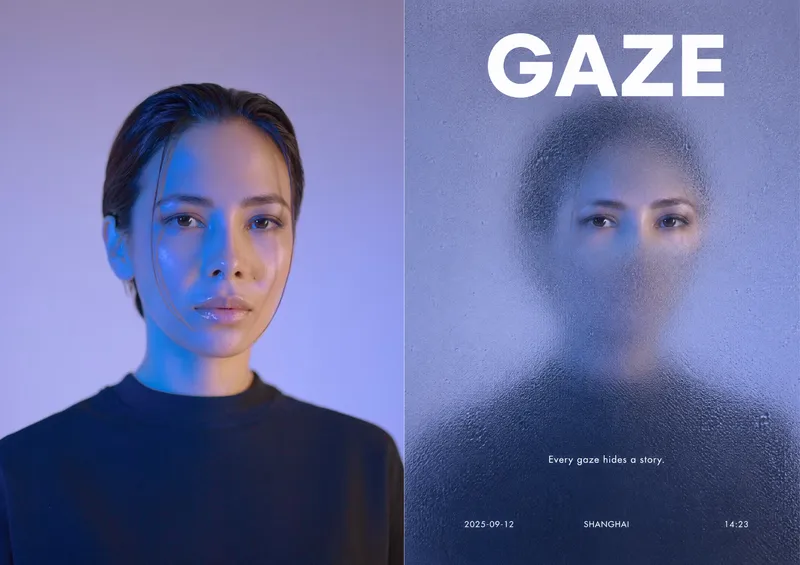
ImageFrosted Glass Reveal
Turn portraits, objects, animals, plants, landscapes, or your written ideas into mysterious, editorial-style frosted glass reveal posters. The subject is covered by thick, low-transparency granular frosted glass, with only a small area of clear detail preserved around the most recognizable features—such as eyes, textures, logos, or flower centers—creating a striking “blurred–sharp” contrast while maintaining the subject’s natural proportions and contours. By default, the design uses organic soft windows without straight lines or hard frames, allowing the clear areas to fade naturally into the matte glass and avoiding harsh edges that would disrupt the overall texture. You can specify raindrop glass, acid-etched glass, or fogged glass, along with cool, warm, or dark color palettes. If you do not specify a palette, a restrained, cohesive low-saturation scheme will be selected based on the subject and mood. If you provide copy, it will be incorporated into the poster layout as requested. If you provide only an image or scene description, the design will combine the visual theme with a concise English title, a poetic short line, and a small amount of informational text to create an elevated magazine, portfolio, or social media cover design. Supports common poster ratios such as 3:4, 9:16, 1:1, and 16:9, making it suitable for portrait covers, brand visuals, art posters, phone wallpapers, and social media graphics.
 Image
ImageModern Opera Character Posters
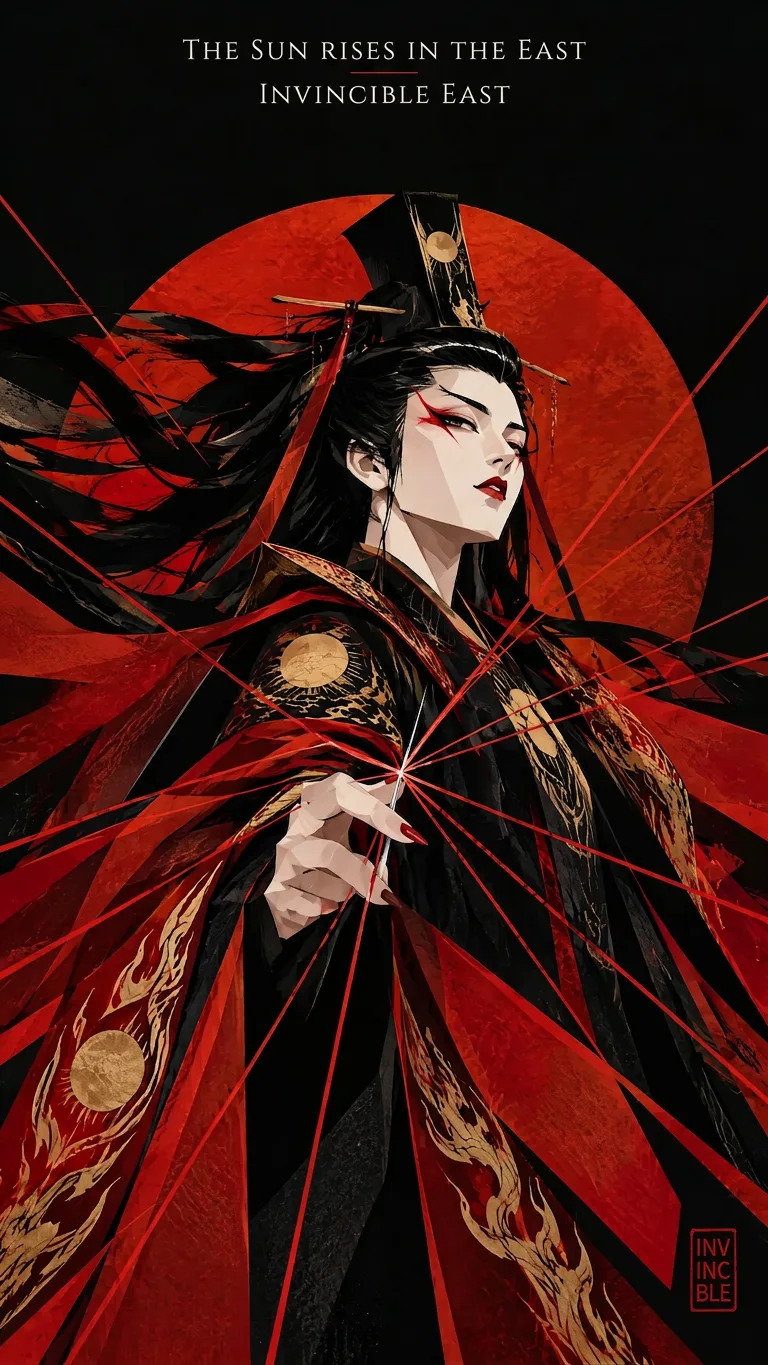
Transform Chinese opera, historical, and literary figures into original art posters and phone wallpapers designed for contemporary aesthetics, bringing traditional culture from the stage to phone screens and social media. Whether it’s opera figures such as Guan Yu, Mu Guiying, and Sun Wukong, or fictional characters such as Qiao Feng and Linghu Chong, each can be redesigned as a distinctive modern East Asian character based on their identity, temperament, and iconic props. Rather than recreating traditional costumes or directly copying painted faces, this Skill extracts facial structures, clothing silhouettes, poses, props, and opera patterns, translating them into geometric forms, bold color blocks, hand-drawn lines, abstract symbols, and asymmetrical compositions. Traditional colors are modernized and combined with negative space, flat backgrounds, and controlled high-saturation tones to create a clean, youthful, artistic visual system—avoiding realistic stage effects, cheap “neo-Chinese” styling, and overly elaborate decoration. Customize the design by theme and mood, aspect ratio, background color, degree of modernization, and cultural elements to retain. It can also redesign the features of a person in a photo as an opera-inspired visual character. For phone wallpapers, the composition prioritizes the character and preserves negative space suitable for a lock screen; for social media posters, it uses publish-ready proportions and concise Chinese typography. With a “Sichuan opera face-changing” theme, it can also develop multiple painted-face states of the same character into a poster series.
 Image
ImageSeamless Photo–Illustration
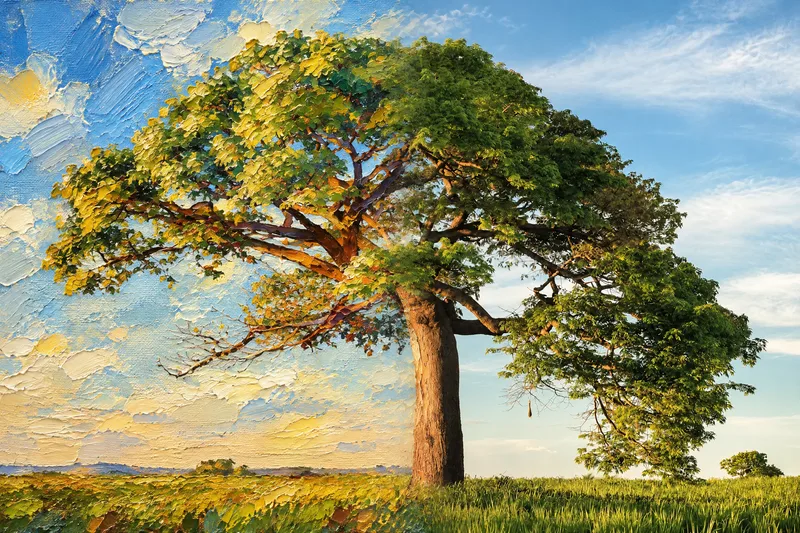
Transform photos of people, animals, pets, cars, buildings, products, food, plants, or scenes into dual-visual artwork featuring the same subject and composition in both realistic and illustrated form. One side preserves photographic texture, natural lighting, and material details, while the illustrated side clearly reflects a hand-drawn, anime, comic, watercolor, oil painting, clay, or vector illustration medium—not a simple filter effect. You can specify whether the visuals are arranged left and right or top and bottom, define where the realistic and illustrated areas appear, choose an illustration style, and set the aspect ratio. The subject’s pose, expression, facial features, structure, clothing, colors, and relationship to the scene remain coherent. People, animals, and objects transition according to their own visual centers, allowing both treatments to occur naturally within the subject rather than mechanically splitting the image. The final image emphasizes seamless integration: photographic texture gradually becomes lines, color blocks, or brushstrokes, while contours and lighting connect naturally. There are no dividing lines, hard edges, collage seams, torn-paper effects, or glowing boundaries. You’ll get a dual-visual image where the difference between the real world and the illustrated world is clear, yet no exact dividing point can be found.
 Image
ImageReal-Person Doodle Portrait
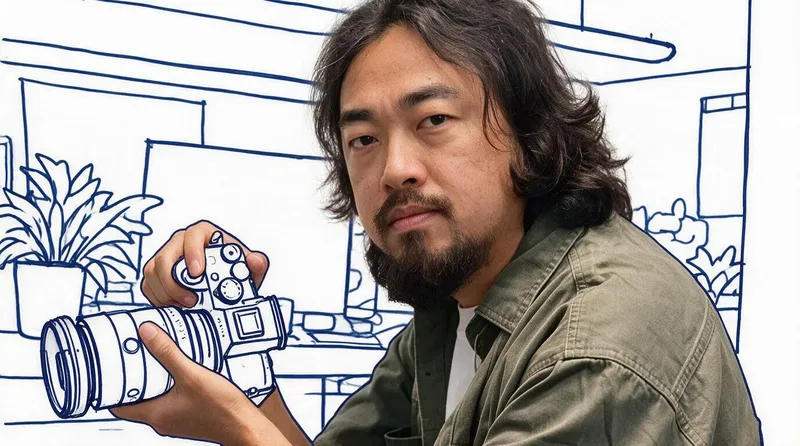
Blend your real-person photo into a room or scene drawn with bold hand-drawn lines, creating a creative portrait that places a real person alongside a doodle environment. The person retains realistic photographic texture, facial features, clothing, and lighting, while the environment uses monochrome marker sketches to outline furniture, walls, and spatial contours. The result creates a striking visual effect of a “real person floating in a line-art world,” making it suitable for profile pictures, social cards, and stylized portrait artwork. You can upload a headshot, half-body photo, or full-body photo, then describe the living room, bedroom, study, café, studio, balcony, or other scene you want, along with the person’s clothing, pose, and expression. If you only have a headshot, the image can complete the body and place it in the specified space. If the original photo already includes a real environment, you can also keep the person unchanged while converting the background furniture, floor, walls, or street scene into a simple doodle line drawing, while maintaining the original composition. Deep ocean blue, burgundy, charcoal black, and other line-art colors are supported, with suitable aspect ratios matched to indoor portraits, open outdoor scenes, sports, or spacious environments. The setting will not be filled with excessive detail. Instead, it selects a few key objects and preserves negative space, making the contrast between the real person and the hand-drawn room clearer and more thoughtfully designed.
 Image
ImageFramed Impasto Miniatures
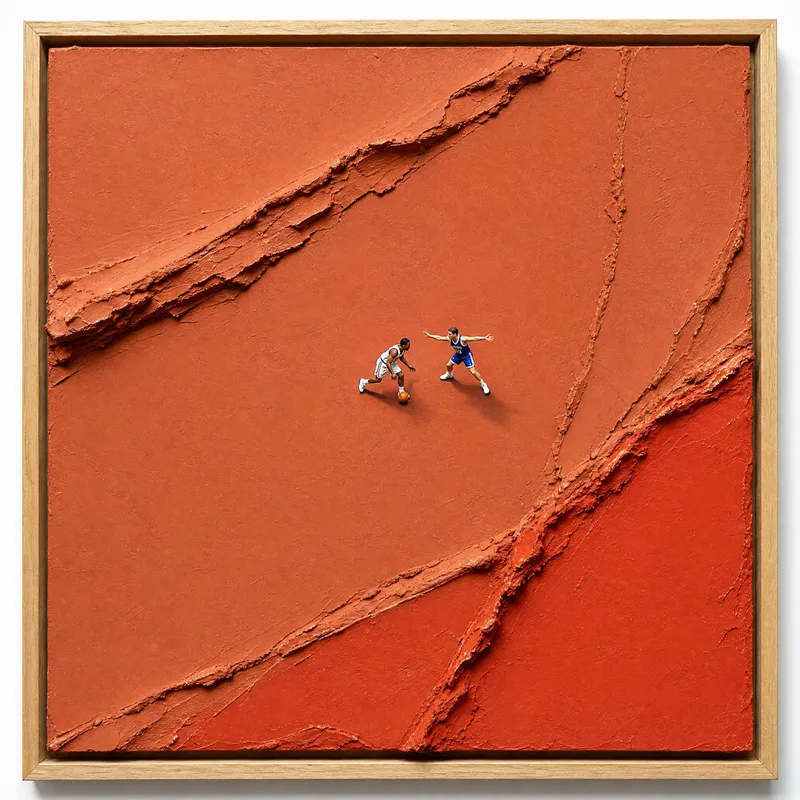
Turn your subject into an impasto paint miniature artwork inspired by Werner Bronkhorst, presented as a framed physical close-up that looks like a real gallery piece. The image defaults to a 1:1 square composition and a straight-down overhead view. A light-colored, fine-grained natural wood frame sits tightly against the edges, filling the canvas with the artwork while avoiding empty space and a loss of scale. The artwork centers on bright, fresh, clean tones such as grass green and matcha green. It is built from a small number of oversized palette-knife color blocks, highlighting the super-matte acrylic modeling paste’s dry, plaster-like hardness. Where the color blocks meet, rough, torn, and curling layers of raised paint create clearly defined relief thickness and a sculptural feel—not a glossy or smoothly brushed surface. You can also specify action themes such as soccer, golf, or running, letting 1 to 3 finely detailed, vivid miniature figures become the focal point. The figures blend into the paint surface with high-contrast solid-color clothing and clear dynamic poses, paired with sharp diagonal cast shadows to enhance realistic proportions, dimensionality, and storytelling. Ideal for contemporary art concept images, miniature scene posters, and decorative visual works.
 Image
ImageHand-Drawn Photo Posters
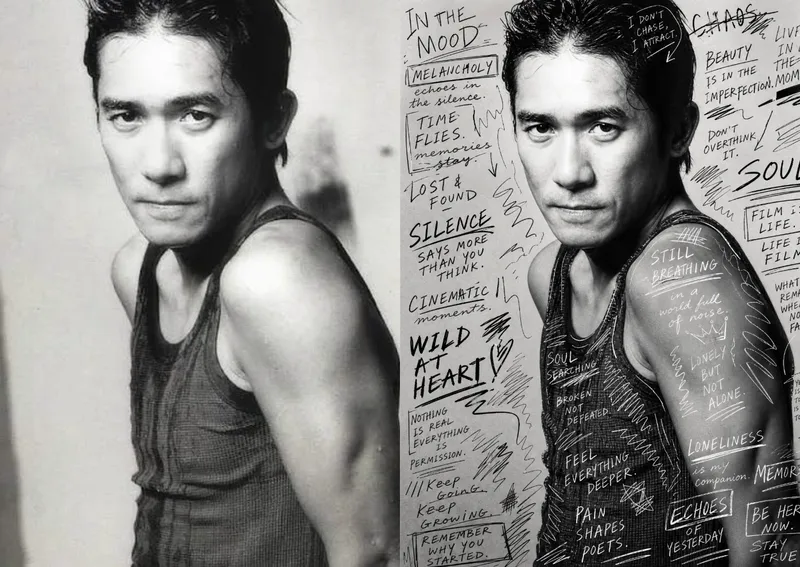
Turn an ordinary photo into a vertical art poster with an authentic hand-drawn feel. Upload a photo and describe the lettering, doodles, or theme you want to add. You’ll get handwritten copy, free-flowing lines, and stylized icons drawn directly onto the original image, preserving the photo’s subject and atmosphere while adding a natural, spontaneous creative touch. Based on the photo’s composition, subject, and overall mood, it plans a suitable 3:4 portrait layout, balances the original image with areas of negative space, and designs hand-drawn elements and lettering styles to match each placement. The results emphasize authentic physical pen strokes: lines have natural curves and texture, avoiding printed fonts, computer-generated text effects, and a digital painting look. Handwritten content defaults to English but can be changed to Chinese as needed. Along with the finished image, you’ll receive a complete, reproducible image-generation prompt and a brief creative explanation—ideal for social media visuals, personal photo posters, travel keepsakes, and artistic photos with a handcrafted feel.
 Image
ImageHandmade Clay Image Maker
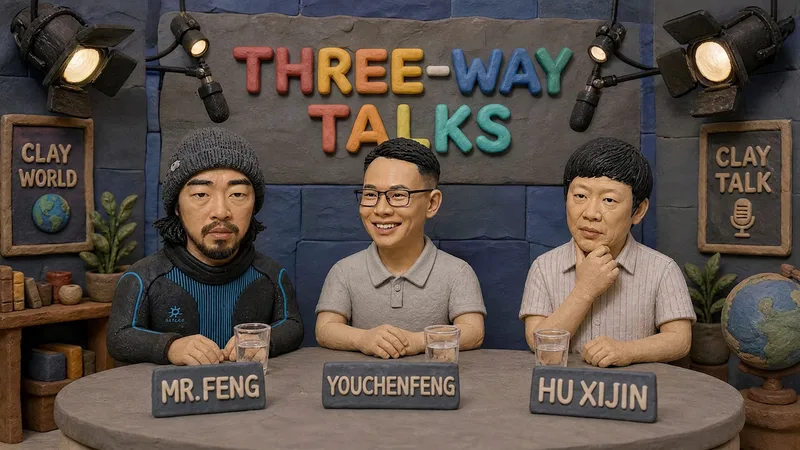
Turn text descriptions, people, animals, objects, or reference images into handmade clay-style artwork that truly looks molded, pressed, and assembled by hand. Rather than simply applying a clay texture, this style gives characters, scenes, props, buildings, and text the soft, dimensional volume of physical clay, with natural finger presses, hand-shaped edges, kneading marks, and subtle asymmetry for a detailed, matte, warm, and tactile handmade feel. Whether you need clay characters, miniature worlds, art illustrations, posters and ads, product visuals, or clay typography and lettering, the style automatically matches the colors, composition, and spatial depth to the subject. When you upload a photo of a person or animal, it aims to preserve recognizable features such as facial structure, hairstyle, body shape, clothing, and distinctive accessories, then reimagine them as a cohesive clay art figure. When text is requested, it is also integrated into the scene as dimensional clay lettering. You can specify the aspect ratio, color direction, subject pose, scene elements, or strength of the handmade effect, or simply describe the theme you want. The result is a complete clay-style image, along with the mode, colors, composition, and key visual settings used for generation, making it easy to continue refining the result toward a macaron, candy, retro, Japanese low-saturation, earth-tone, or warm storybook direction.
 Image
ImageVaporwave Poster Generator
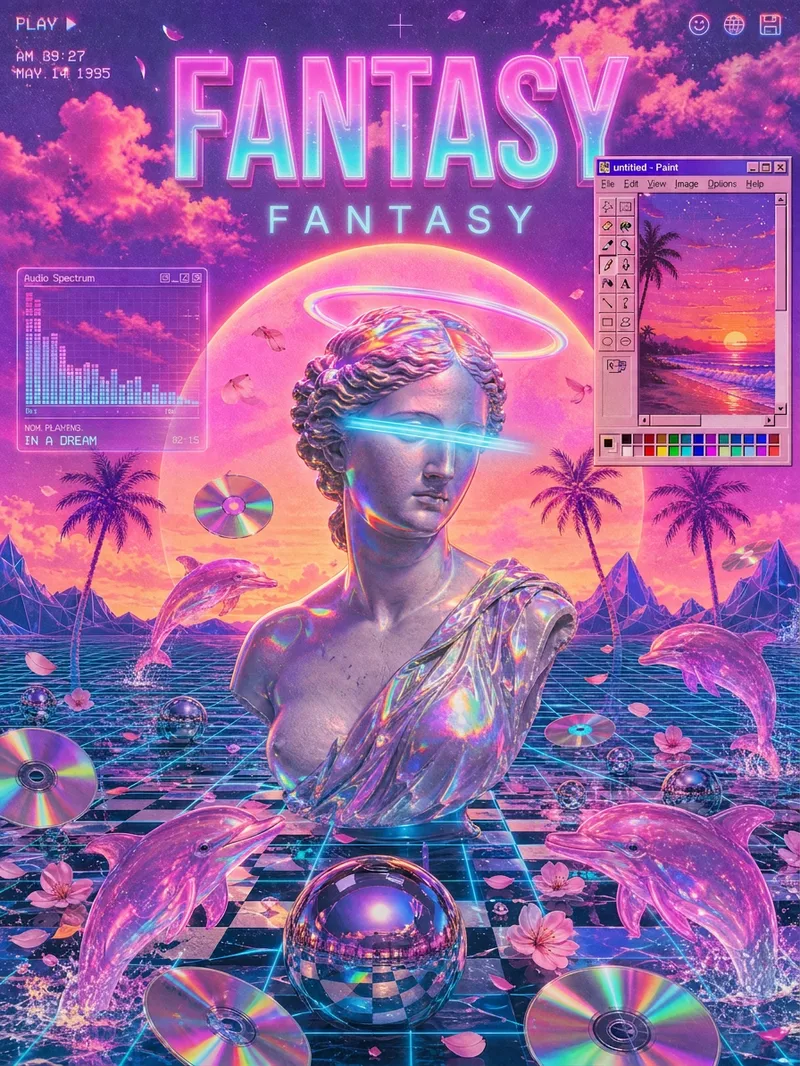
Turn a theme, copy, or specified elements into a vaporwave-style poster with a distinct mood and visual narrative. Whether the subject is capitalism, loneliness, nostalgia, technology, music, or a brand concept, the poster matches the theme with suitable textures, colors, composition, and vaporwave symbols to create a ready-to-use visual piece. You can specify the aspect ratio, dominant colors, material feel, composition, and required elements; anything left unspecified is filled in automatically based on the theme. The image can incorporate classical statues, palm trees, synthwave sunsets, checkerboard patterns, perspective grids, retro computer interfaces, CDs, glitch effects, holographic metal, and more. It can also feature VHS grain, RGB shifts, lo-fi blur, low-poly styling, or a clean digital look as needed. The result is a vaporwave-themed image in your chosen aspect ratio, along with a summary of the textures, colors, composition, and key elements used in the creation. It is suitable for album covers, themed posters, social media graphics, brand visual concepts, and art with a retro-futuristic feel.
 Image
ImageCustom Pet Profile Creator
Based on your personality preferences, lifestyle, species preferences, and aesthetic taste, create a one-of-a-kind pet that truly matches your vibe—and receive a complete pet profile and visual asset set in one go. Use a simple, choice-based guide to define the species, body type, colors, appearance, personality, and naming style. Uploading a photo for vibe reference is optional; you can complete the creation without one. If you already have a PAD file, you can also use it to regenerate or adjust your pet’s appearance. You’ll receive a hand-drawn pet profile card, a realistic character reference image, a complete pet profile document, and a PAD JSON asset package for future creative work. The profile includes the name and nickname, species and breed, age and gender, physical traits, personality tags, likes and dislikes, catchphrases, and a description of the relationship with its owner—while keeping the character consistent across different visual assets. These pet assets are perfect for saving and sharing, and can also serve as the foundation for creating custom stickers, cartoon characters, or owner-and-pet portraits later. Whether you want to “create my pet,” design a pet of your own, or prepare a consistent pet character for a series of content, this is the place to start.
 Image
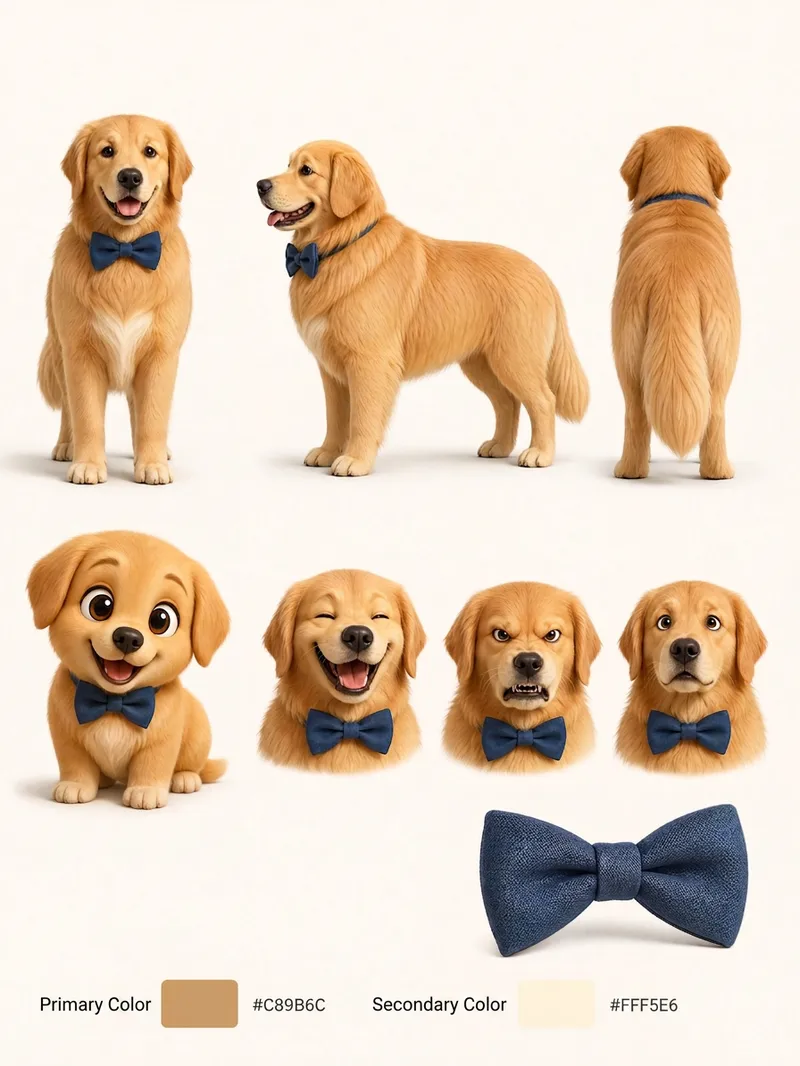
ImagePet Cartoon Character Sheet
Turn an existing realistic depiction of your pet into a consistent, expandable cartoon character sheet. Use it as a stable visual reference for creating stickers, memes, comics, or animations. Before using this Skill, prepare a pet profile with realistic reference images, fur color, body type, distinctive features, accessories, and other details. The generated result will aim to preserve the character’s recognizability and maintain consistent details. The final result is a multi-view character sheet featuring front, side, and back views, a full-body chibi view, different emotional expressions, and signature accessories such as collars or tags. It also preserves the relationships between the primary and secondary colors. You can choose a 2D flat cartoon style, suitable for memes, stickers, and comics, or a 3D cartoon rendering style, suitable for animation, games, or 3D merchandise. If no style is specified, 2D is used by default. The generated cartoon character is also recorded in the pet profile, making it easier to maintain the same art style, fur colors, and accessory settings in future meme creation. This helps prevent character distortion or inconsistent styling from one creation to the next.
 Image
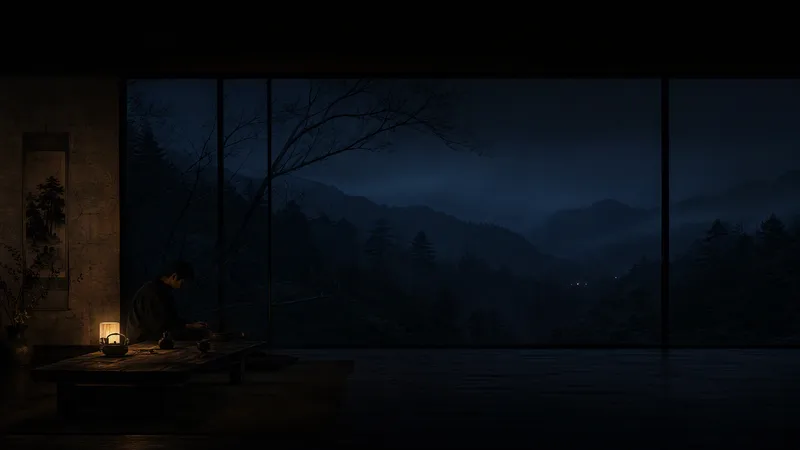
ImageMono no Aware, Wabi-Sabi & Yūgen
Turn themes, scenes, people, classical Chinese poetry, or photos into Japanese aesthetic images grounded in clear sources of thought and visual references—ideal for creators who need nuanced storytelling and art direction. The skill selects mono no aware, wabi-sabi, or yūgen as the primary direction based on the content: mono no aware expresses the beauty of what is fading, wabi-sabi reveals the marks left by materials and time, and yūgen creates understated depth through concealment, distance, negative space, and unseen areas. These aesthetics are combined only when the subject genuinely supports multiple aesthetic logics. You’ll receive a clear thematic assessment, primary aesthetic, relationship between combined styles, art-historical anchors, and core narrative. It then generates professional visual prompts covering the subject, setting, composition, spatial layers, materials, color, lighting, mood, and negative constraints—avoiding vague labels such as “Japanese,” “Zen-like,” or “sophisticated.” For portrait photos, it aims to preserve identity, facial structure, perceived age, body type, and key clothing features, transforming the aesthetic through environment, lighting, and narrative rather than automatically turning the person into someone wearing a kimono. After confirmation, the skill displays the complete prompt and generates an image, along with an aesthetic explanation to help you understand how the image expresses the beauty of transience, traces of time, or the unseen. It is suited to concept art, photography style transfer, classical Chinese poetry visualization, character-and-setting creation, spatial storytelling, and AI image generation with a Japanese aesthetic sensibility.
 Image
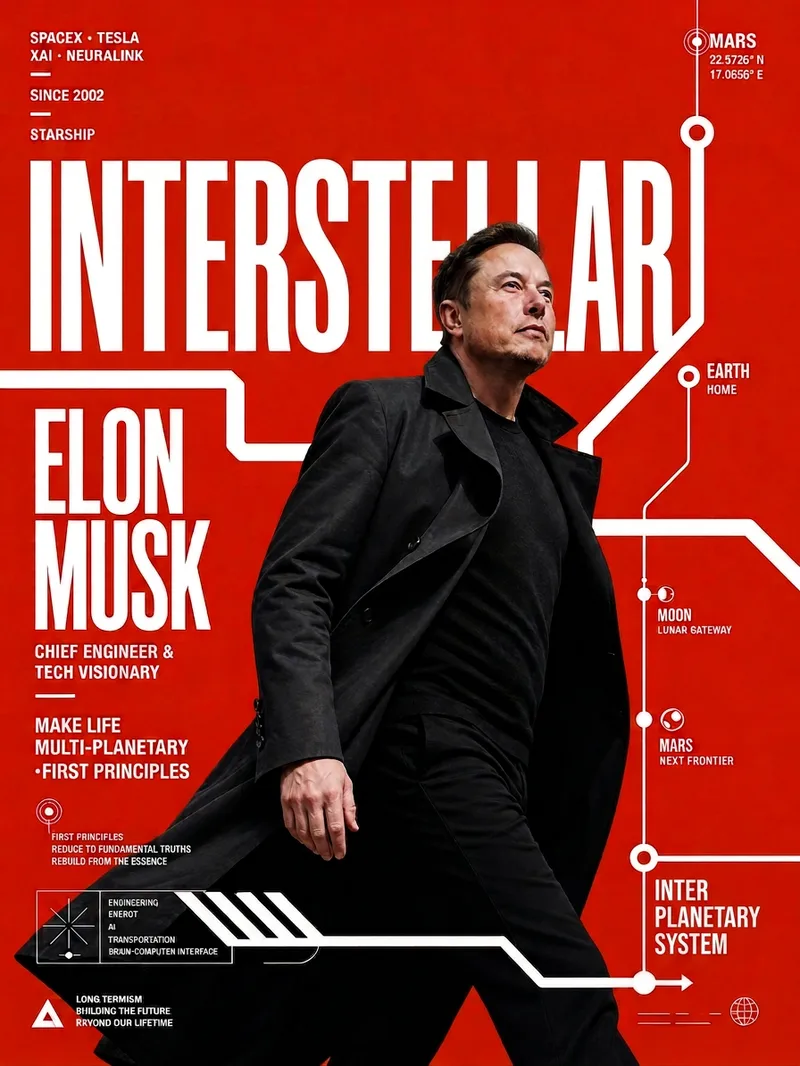
ImagePersonal Brand Fashion Poster
Turn a portrait and personal profile into a fashion-forward visual poster with a distinctive personal brand identity. Whether you provide a real photo or a cartoon character, it can serve as the subject reference. By combining your name, profession, keywords, philosophy, notable experiences, desired tone, and brand details, the Skill creates a more editorial and stylish personal image. When key information is missing, it first helps confirm the details instead of inventing titles, numbers, or achievements. The poster centers on the subject and extends their positioning into a complete visual world. Oversized Chinese typography, modernist fonts, airport wayfinding elements, and route-map-like line systems create visual connections between the person, brand name, profession, and theme. Rather than simply placing the subject in the center of a background, it integrates them into the typography and graphic structure through a high-end fashion photography approach, with a natural, intelligent, and slightly bold look and pose. It is suitable for creators, designers, consultants, entrepreneurs, culture professionals, and personal brands. You can specify the brand colors, on-image text, whether to preserve the portrait’s recognizability, and the output ratio. If no colors are provided, the primary color scheme is determined based on your field, personality, theme, and audience. The final deliverable is a vertical personal brand poster primarily in Chinese, optionally paired with brief English information, along with the reasoning behind the chosen primary colors, the core text, the personal information extracted, and the direction for the subject’s styling.
 Image
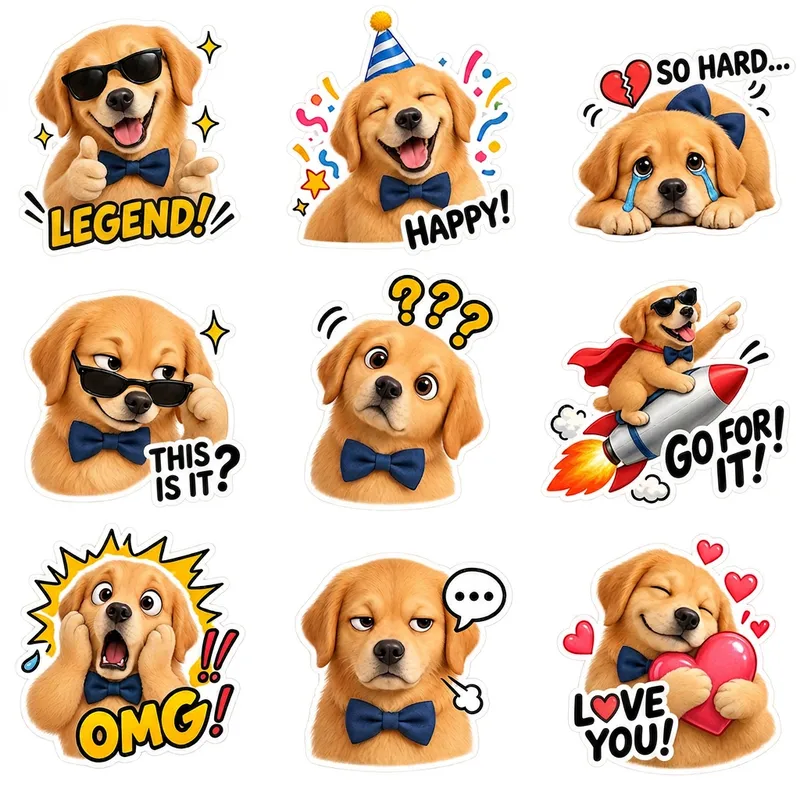
ImagePet Emoji Grid Stickers
Turn an existing cute pet character into a coordinated set of ready-to-use emoji stickers on a transparent background. Simply provide a complete pet character profile or an existing character reference image, and generate 9 chibi-style pet stickers featuring emotions such as happiness, excitement, anger, sulking, affection, and spacing out. Each sticker has a clear expression, action, and pose, while preserving the character’s recognizable visual identity across different moods. By default, you’ll receive one 1:1 square PNG sheet containing 9 individual stickers arranged in a 3×3 grid. The final image retains a truly transparent background and Alpha channel, with no white, black, or green background. It also includes no dividing lines, grid borders, background color blocks, ground shadows, or emotion labels. The stickers are spaced generously for use in chat, social sharing, content illustrations, and pet merchandise design. The character’s species, fur color, face shape, body type, accessories, and overall art style follow the original design rather than being redesigned as a similar but different pet. For more flexible sending, layout, or further editing, you can also generate 9 separate transparent PNG stickers, each retaining a consistent visual style and white outline.
 Image
ImagePet-and-Owner Photo Maker
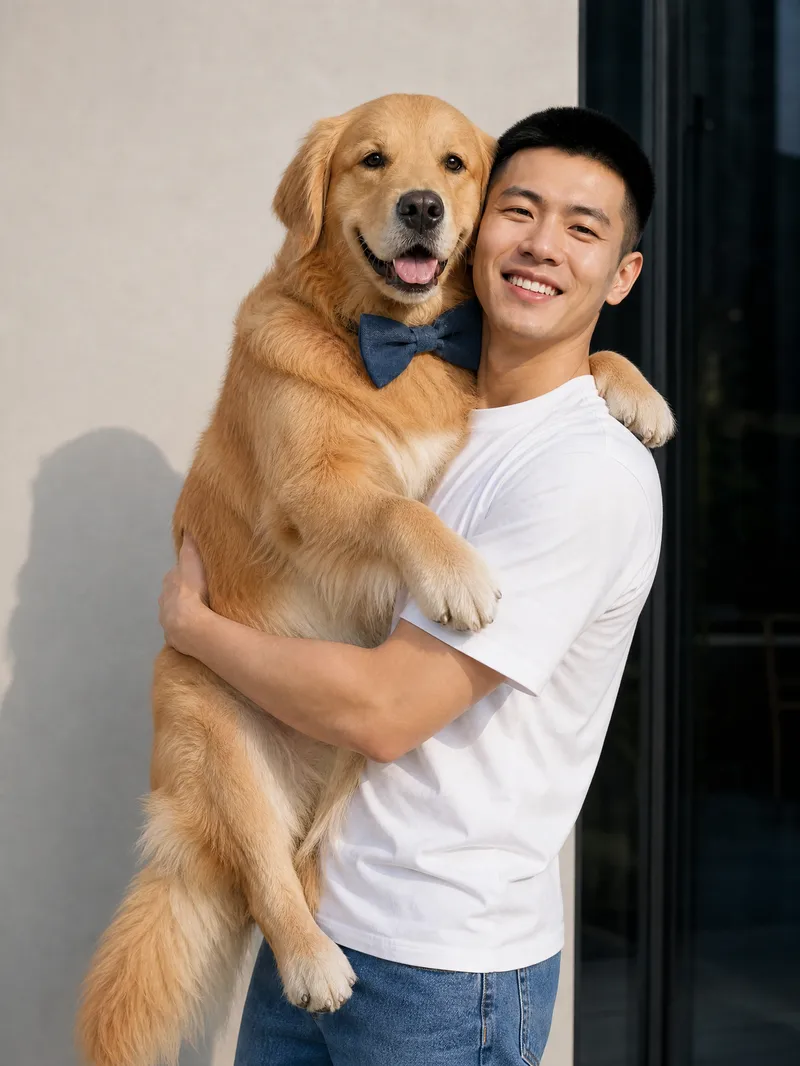
Turn real photos of you and your pet into natural, heartfelt everyday moments. Just provide one real photo of yourself and a complete pet profile to generate realistic, photography-style images of you together. The results aim to preserve your facial features, hairstyle, and body shape, while retaining your pet’s coat color, size, and accessory details, making each image feel like a genuine snapshot of time spent together. Choose from everyday scenes such as walking in the park, cuddling on the sofa, holding your pet, lounging in bed, feeding time, sunbathing by the window, watching TV together, keeping you company while you work, or playing outdoors. You can also describe the scene you want directly. The system arranges natural poses, lighting, and interactions based on the setting—for example, a dog wagging its tail to greet you or a cat snuggling and rubbing against you—to reduce the stiff feel of posed photos and capture a close, authentic sense of companionship. Single- or multiple-pet group photos are supported, with high-resolution portrait or landscape images suitable for sharing and saving. Whether you want to document everyday life, create a pet memorial photo, or preserve a warm moment with your beloved pet, you can get multiple realistic, story-filled photos of you and your pet together.
 Image
ImageStreet Culture Collage
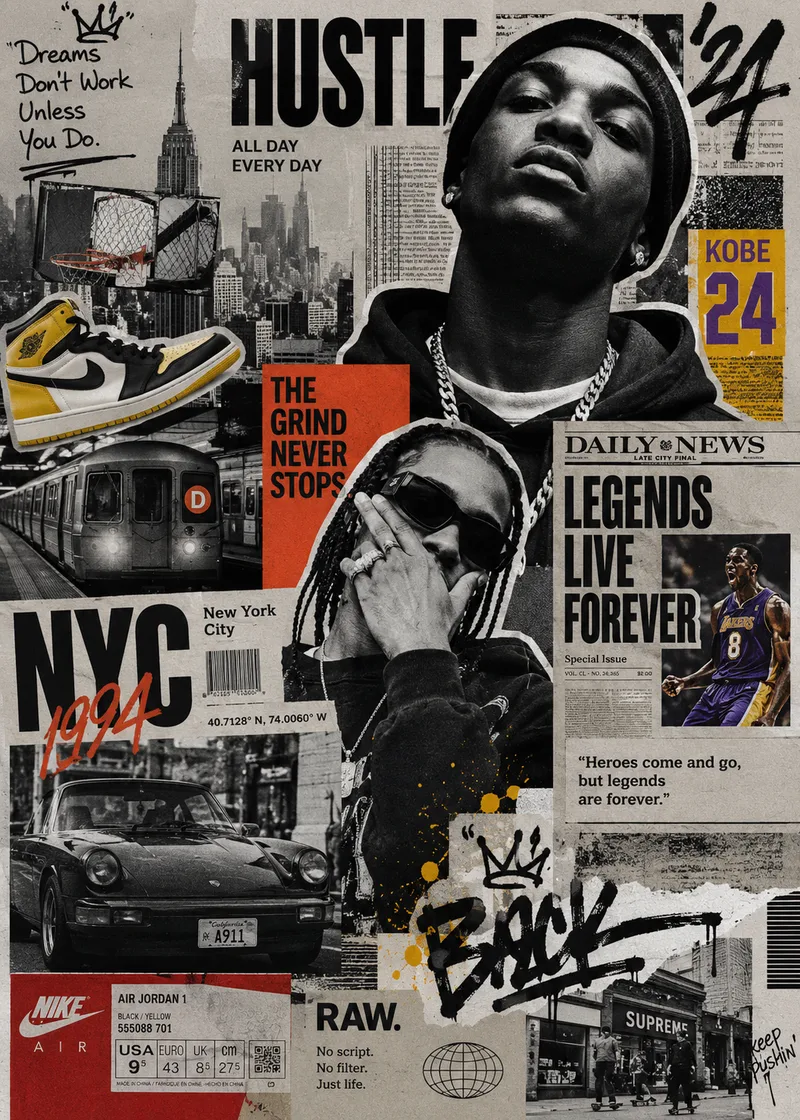
A Skill for generating street culture editorial collages. It recombines user-provided portraits, products, sneakers, cars, posters, text, and other custom assets with elements from magazines, newspapers, zines, street photography, Hip-Hop, sports, music, and fashion culture to create highly layered Editorial Collage artwork. The Skill supports multiple color modes, including black and white, black and white with selective accent colors, and vintage full color. Through techniques such as subject cutouts, cropped assets, cross-page layering, oversized typography, handwritten doodles, newspaper details, film grain, and printed-paper textures, it creates asymmetrical collages with a nostalgic street culture feel. Users can let AI generate assets based entirely on a theme or freely specify and customize their own, so every piece maintains a cohesive visual language while expressing a distinctive theme.
 Image
ImageFading Negative-Space Sketch
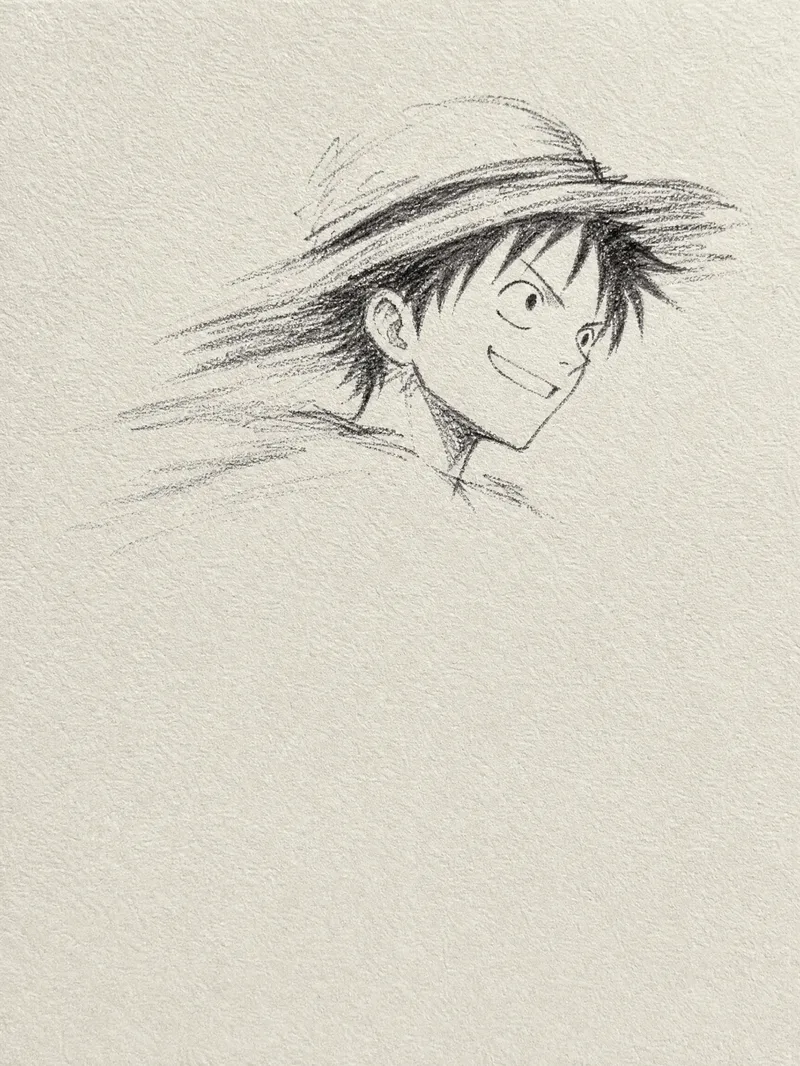
Transform people, animals, facial close-ups, or still-life subjects into spontaneous Western pencil sketches with the expressive negative-space aesthetic of Eastern freehand painting. You can enter a subject description directly or provide a reference image to create a relaxed, distinctly unfinished sketch—not a photographic rendering or an overly polished digital portrait. The image uses only a few strokes to define key contours and expressions, leaving broad areas of the original paper blank across the face and within the subject. It avoids dense fur, delicate skin texture, and smooth shading. The neck, shoulders, or torso naturally blend into rough side-of-the-pencil strokes, broken lines, and dry-brush marks that gradually fade into the visible paper texture. The result feels like a practice sketch on a coarse-textured sketchbook page, suitable for portraits, animal studies, minimalist facial studies, and still-life concept sketches, with a restrained black-and-white graphite look and a quiet, poetic sense of space. Inspiration: Xiaohongshu comic artist blogger — 手訫
 Image
ImageShan Hai Jing Bestiary Cards
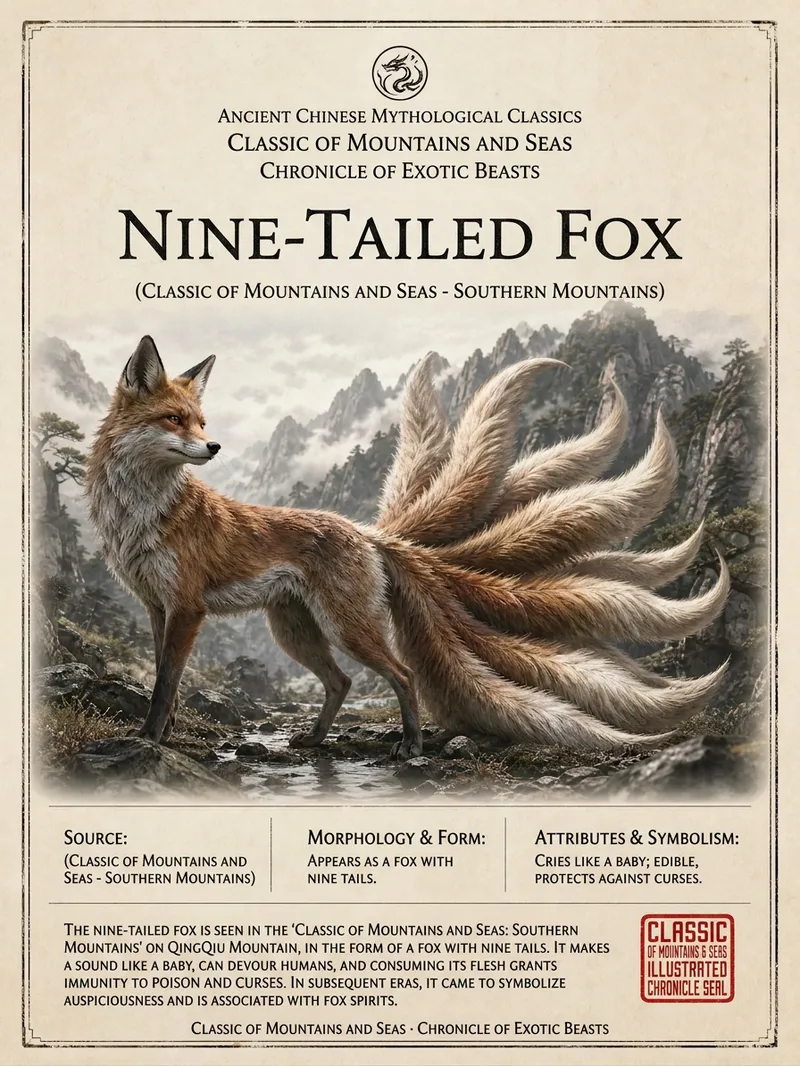
Turn beasts, strange birds, plants, deities, and other supernatural beings from the Shan Hai Jing (Classic of Mountains and Seas) into collectible, hyperreal Eastern natural history cards. Whether you provide a creature’s name, a passage from the original text, a custom theme, or a reference image, the Skill organizes its classical source, physical traits, and supernatural attributes into a clear design. If you provide only a name, it can also develop the visual concept directly from the original classic, with no additional explanation needed. Each finished card uses a 3:4 vertical collectible format with a consistent layout, aged ivory and blue-gray ink-black tones, antique paper texture, fine-line borders, seal stamps, and Chinese information panels. The featured creature is reconstructed with credible bones, muscles, skin, fur, feathers, or scales, then presented from an observational angle inspired by nature documentaries, with realistic weight, environmental lighting, and cinematic CG detail. The result avoids chibi, cartoon, and generic game-character illustration styles. The visual language draws from Shang and Zhou bronze vessels, classical book design, stone reliefs, jade artifacts, seal carving, and traditional natural history, without relying on clichéd xianxia or fantasy decoration. Each card brings together the creature’s name, source, appearance, traits, and a concise introduction, while clearly distinguishing original records from later cultural interpretations. It is suited to creating individual collectible images, a series of Shan Hai Jing bestiary cards, or an ongoing body of work built around the same aesthetic of ancient Eastern artifacts.
 Image
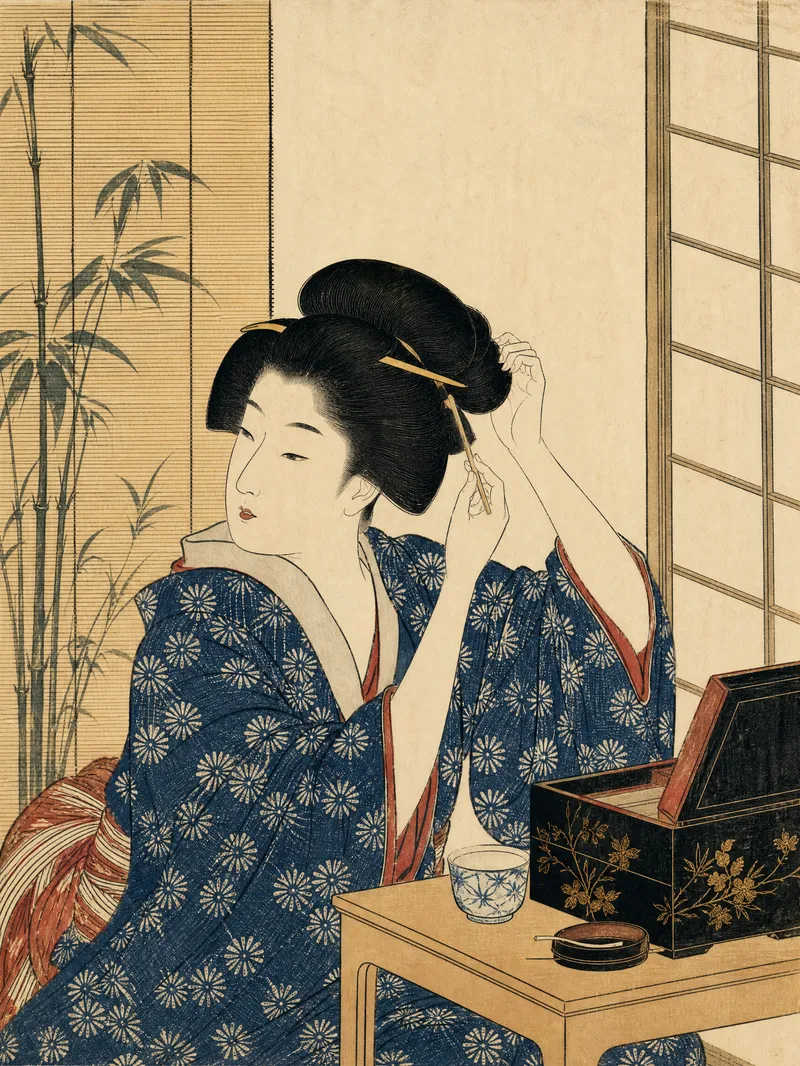
ImageJapanese Ukiyo-e Woodblock Art
Turn text descriptions or photos into images with the traditional character of Japanese ukiyo-e woodblock prints. Preserve a person’s core identity, posture, and relationship to the setting while translating poetry, stories, and the mood of nature into clear visual narratives. Whether you’re creating a portrait, landscape, seasonal scene, or vertical image for social media, the composition will use an appropriate aspect ratio and visual focus. The artwork emphasizes asymmetrical composition, layered foreground, middle ground, and background, generous negative space, diagonal visual guidance, and expressive moments of movement and emotion. Natural atmosphere—such as rain, snow, mist, wind and waves, moonlight, mountains and water, pine and bamboo, and cherry blossoms—is highlighted without meaninglessly piling on symbols like samurai, Mount Fuji, or shrines. Photo inputs receive a moderate simplification of realistic lighting while preserving recognizable facial features, age, body type, clothing, and posture. The final image features clear, flowing black outlines, flat color blocks, restrained traditional tones such as indigo and ochre, and the texture of paper fibers, woodblock impressions, and hand-printed registration. It avoids photorealism, modern anime, 3D rendering, cyberpunk, and heavy oil-paint effects. Unless explicitly requested, no text, titles, captions, or watermarks will be added.
 Image
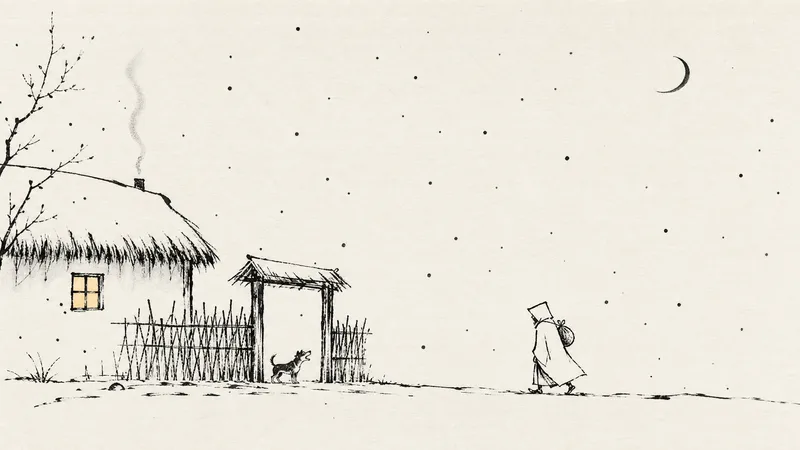
ImageEastern Philosophy Comics
Turn a sentence, philosophical idea, piece of classical prose or poetry, fable, everyday question, scene description, or uploaded photo into a simple, quiet, original comic illustration with an Eastern philosophical sensibility. The artwork centers on black-and-white ink lines, symbolic figures, generous negative space, and minimal environmental elements, allowing abstract ideas to emerge naturally through gestures, key objects, and spatial relationships rather than lengthy textual explanation. For abstract concepts such as “自我消耗,” “自由,” and “沉没成本,” as well as Zen koans, Tang and Song poetry, and historical stories, the skill distills the underlying tensions and meaning, then chooses a suitable single-panel composition or multi-panel narrative to express themes such as loneliness, choice, desire, and impermanence. Figures, clothing, and settings are simplified to suit modern or classical contexts while preserving a clear, two-dimensional comic style and visual metaphors. When you upload a photo, it can be redrawn as a minimalist Eastern line-art comic while preserving recognizable features, posture, clothing, and the main compositional relationships, rather than simply applying a filter. Text is not added by default; when needed, specified text can be retained, a small amount of dialogue added, or the aspect ratio, panel count, or low-saturation colors adjusted. Realistic, 3D, anime-inspired, and complex commercial illustration styles are avoided.
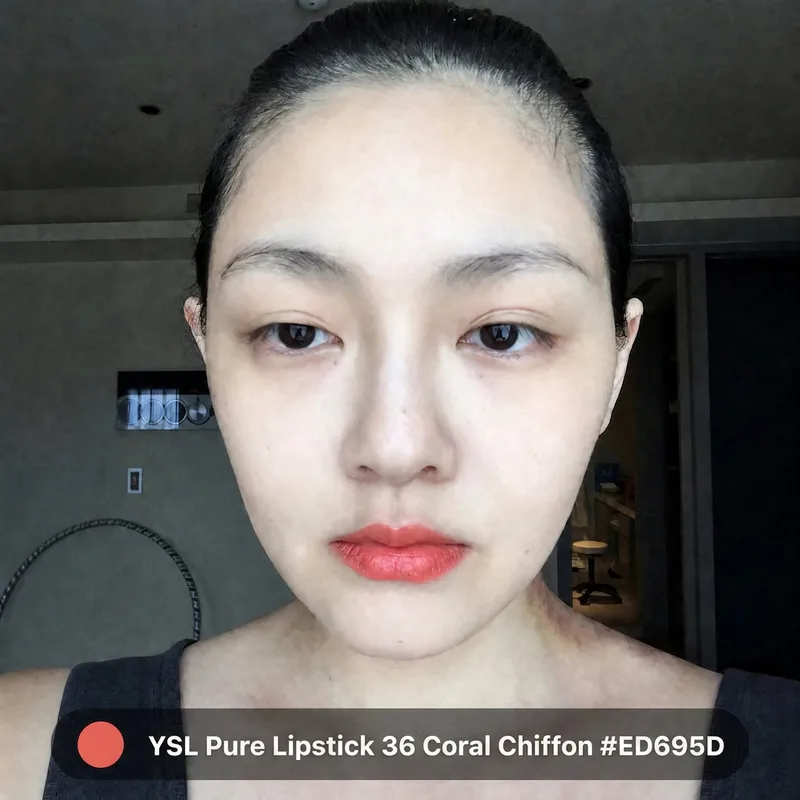
AI Lipstick Try-On
Upload a clear, front-facing portrait. AI analyzes your face shape and skin tone, then matches 1–3 suitable shades and brands from a built-in database of 400+ real lipsticks. GPT Image 2 generates a 1:1 front-facing try-on image with the selected shade applied to your lips, your face reproduced 100%, and a bare-face base to highlight the color—so you can see the result clearly and decide whether to buy.
 Image
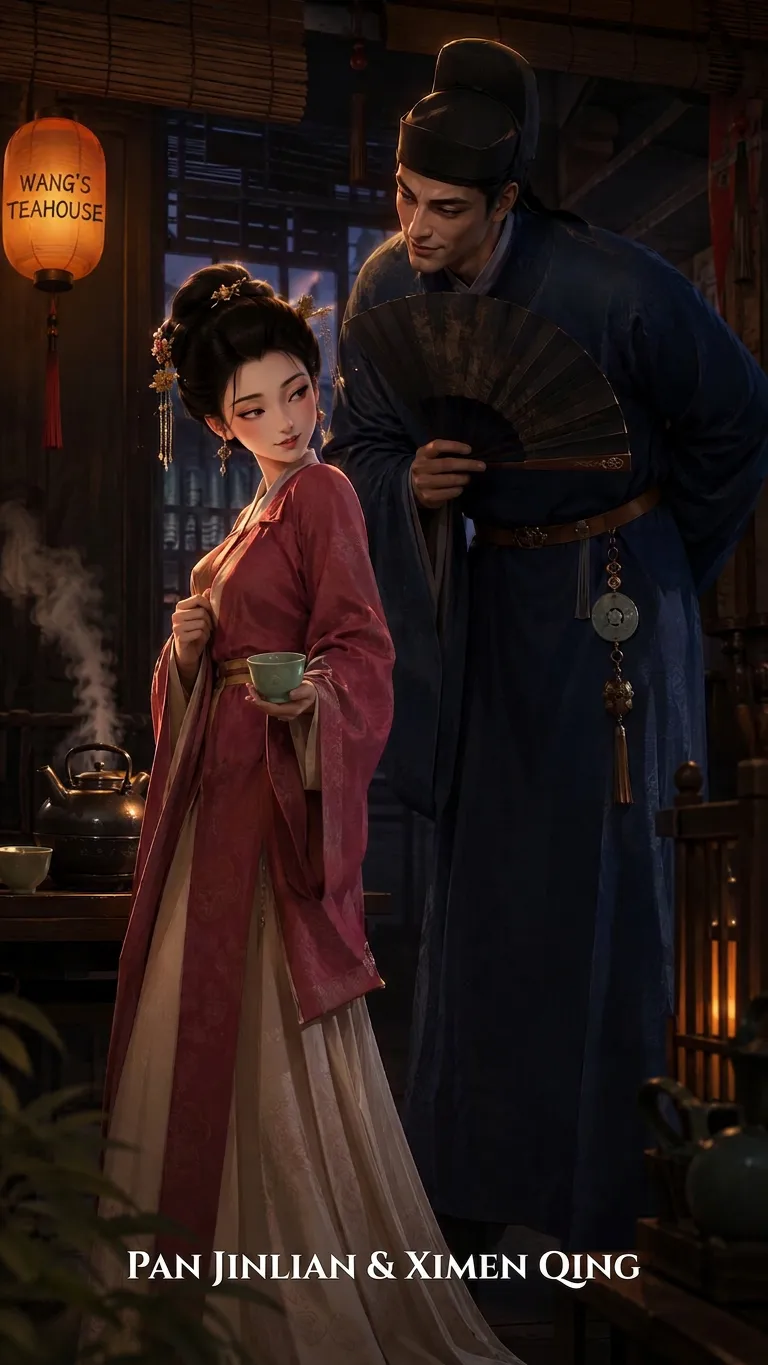
ImageDark 3D Literary Characters
Transform characters from *Romance of the Three Kingdoms*, *Water Margin*, *Journey to the West*, *Dream of the Red Chamber*, and other Chinese classical works into polished 3D cartoon game characters that remain recognizable without written labels. Whether depicting generals, warriors, monks, scholars, women, immortals, or monsters, the skill combines each character’s identity, stage of life, and defining experiences with visual designs grounded in the historical setting—reducing timeline errors, lookalike characters, and cultural mismatches. You’ll receive a complete character-recognition-focused design plan covering silhouette, signature weapons and accessories, clothing materials, color palettes, pose and expression, environmental mood, and differentiation from similar characters. It also accounts for common image-generation inaccuracies involving ancient Chinese clothing, weapons, and character types. When the source material is uncertain, references are checked first to determine the appropriate period and visual direction. The skill supports both character illustration and scene-based requests. It can produce reusable, copyable image-generation Prompts, specify image dimensions, and review the result for period accuracy, key symbols, colors, cultural traits, pose and structure, and overall recognizability—making corrections and iterations when needed. It is suitable for classical literature character concepts, game character development, visual design, and Chinese-style AI image generation.
 Image
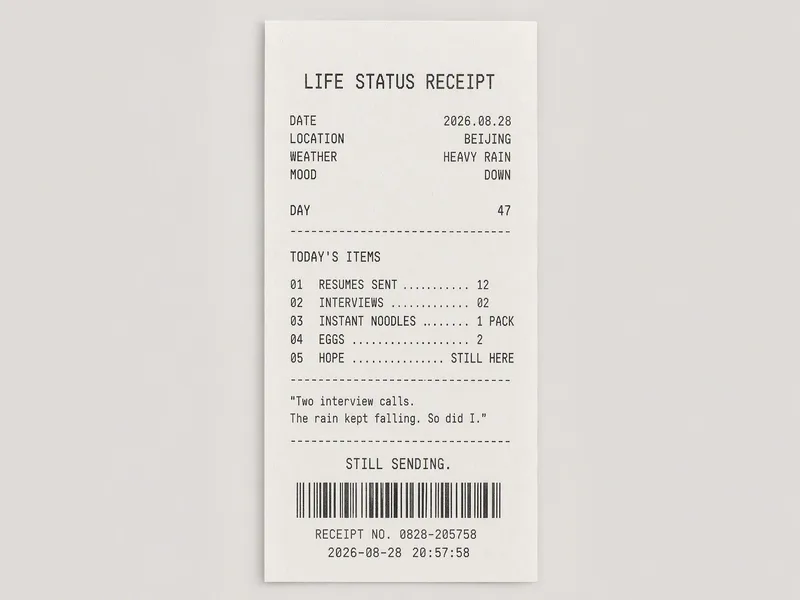
ImageThermal Receipt Poster Maker
Turn life records, travel memories, relationship moments, birthday feelings, unemployment updates, or even a single sentence into a receipt-style poster with an authentic thermal-paper texture. Your content is organized into visual details such as the date, location, mood, daily entries, a memorable quote, and a footer, giving abstract everyday moments a “record receipt” of their own. It preserves the dates, numbers, proper names, and key facts you provide, without inventing measurements such as prices, step counts, or temperatures. When information is incomplete, it fills out the layout in a restrained, design-conscious way. Quote copy leans toward dry humor, breathing room, and conversational language, avoiding an advertising tone and generic inspirational slogans. By default, it follows the input language to create a Chinese or English version, and it also supports a bilingual version when explicitly requested. After the text is confirmed, it can generate vertical AI images suited for Xiaohongshu, Instagram, Stories, or Reels, while checking text clarity, layout proportions, whitespace, and the look of thermal printing. It is ideal for sharing everyday updates, travel memories, and personal mood records.
 Image
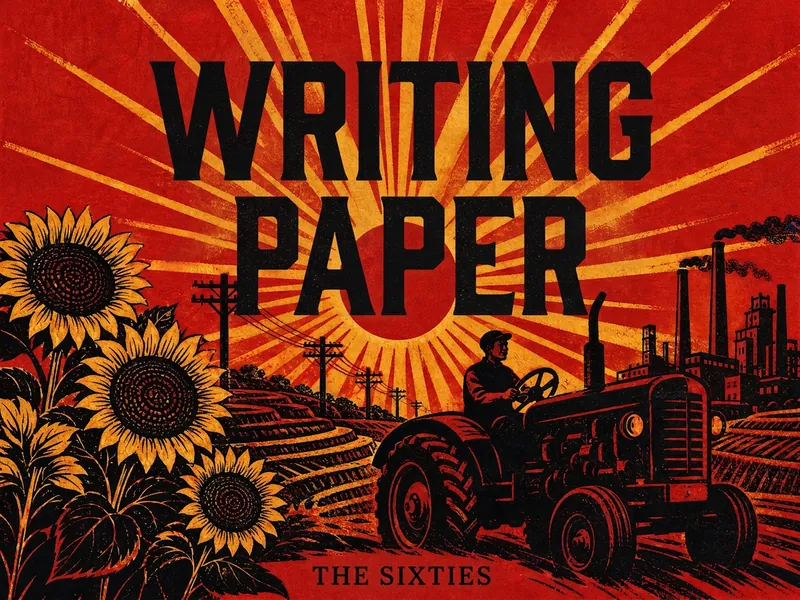
ImageModern Chinese Era Visuals
Transform titles, themes, or graphics into visual designs inspired by modern Chinese eras, suitable for book covers, posters, cards, illustrations, typography, and social media graphics. Simply provide the text, target era, design format, and aspect ratio to receive a visual concept tailored to your theme. If no ratio is specified, a portrait cover composition can be used. Supports a range of styles from the 1920s–30s Republic of China period and the 1940s through the 2000s, including Eastern Constructivism, War of Resistance woodcut, revolutionary realism, understated literary design, humanistic minimalism, and digital visual styles. Each era-based style presents a distinct design language through its color palette, composition, typography, graphics, and print texture—for example, geometric display lettering, woodcut marks, limited-color flat fills, asymmetrical layouts, paper grain, and balanced negative space. Whether you need a literary book cover, an era-themed poster, or a simple Chinese title design, you can evoke the aesthetics of the corresponding period while keeping the text clear and the composition clean. Supports common aspect ratios including 1:1, 2:3, 3:2, 4:3, 16:9, and 9:16, making it suitable for publishing visuals, exhibition promotion, content graphics, and personal creative work.
 Image
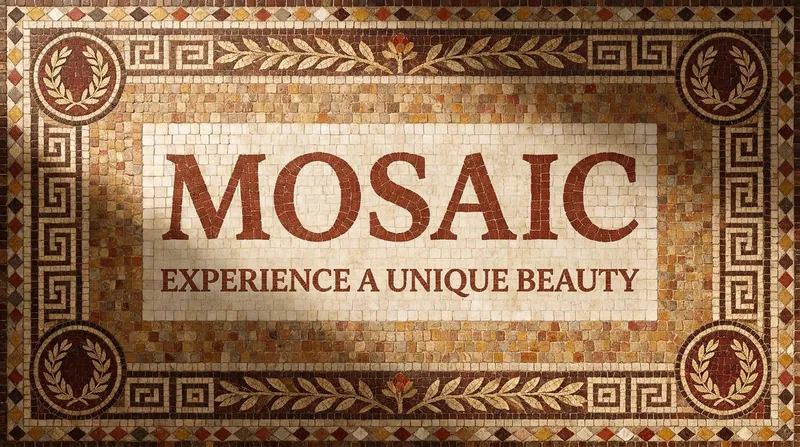
ImagePhoto & Text Mosaic Art
A studio for transforming and generating mosaic art. Supports more than 15 historical and contemporary mosaic styles, including Byzantine, Soviet Socialist Realism, Gaudí Trencadís, Islamic Zellij, Ancient Roman, Renaissance, Mexican mural, Art Deco, and contemporary abstract styles. Use it when you want to transform an image, photo, or portrait into a mosaic style; generate mosaic artwork from a text description; explore different mosaic styles; or work with concepts such as mosaic,碎瓷砖拼贴, or glass tessellation. Users can specify a style, or let AI recommend the most suitable mosaic style based on the image content or scene description. Built-in full-frame, no-exceptions mosaic processing handles high-realism risk areas such as people's eyes, skies, metal, and glass.
 Image
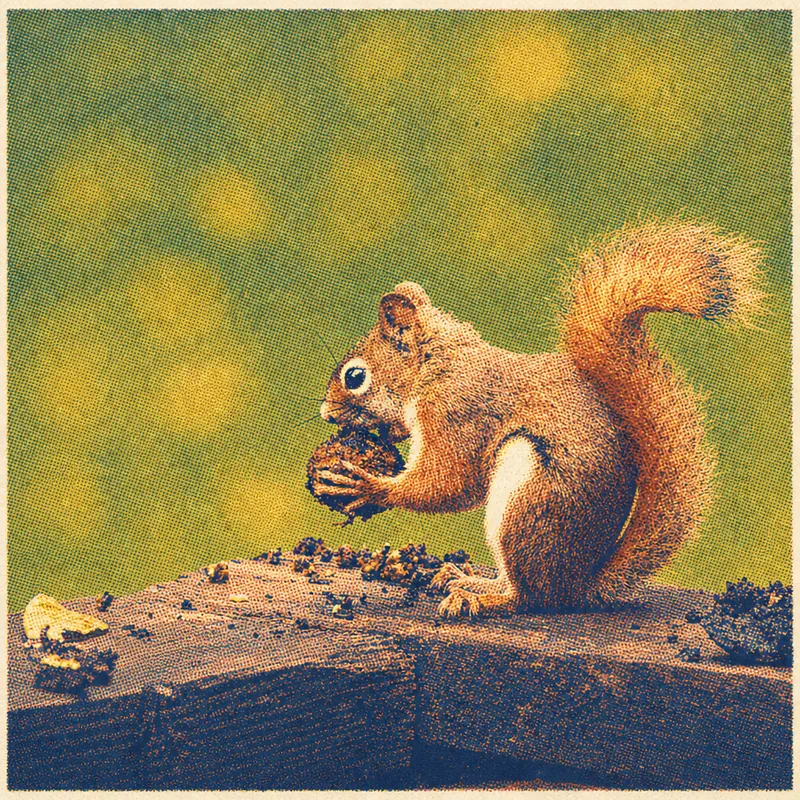
ImagePhoto to Risograph Texture
Convert user-uploaded photos or images into high-quality simulated prints with the authentic texture of Risograph printing, independent publications, and ZINEs. Reimagine the visual medium through color separation, spot inks, halftone dots, registration shifts, ink overprinting, and paper texture. By default, the original subject, composition, people’s identities, and key content are preserved; only the visual presentation is changed.
 Write
Write公众号活人感观点写作
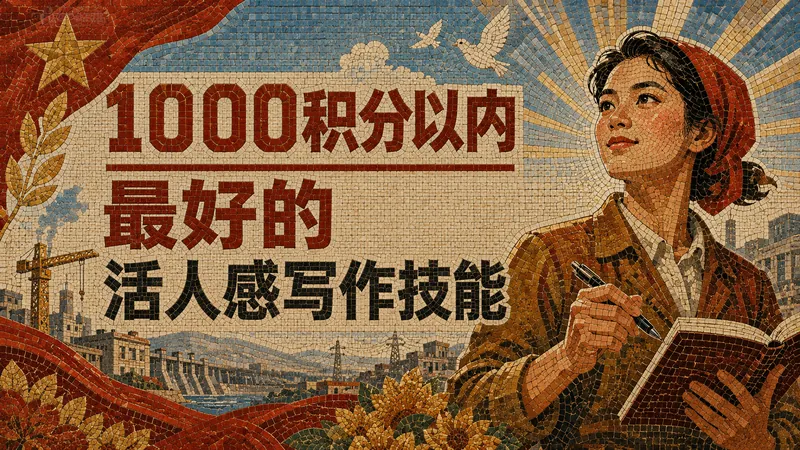
把一个热点事件、社会现象、职场或情感议题、个人经历、行业观察、产品素材或已有草稿,写成有明确立场、真实情绪和传播张力的微信公众号文章。它不会停留在四平八稳的“各有道理”,而是帮助你找到更适合目标读者的观察角度,抓住真正的冲突与痛点,用具体场景、生活细节和可复述的判断,让文章像一个有经历、有偏好、也承认认知边界的真人作者在说话。 除了可直接发布的正文,还会额外产出一条 120 字以内的发布简介——它不是全文摘要,而是一枚“鱼饵”,用最少的字制造好奇与悬念,让刷到的读者愿意点开。创作全程还会执行原创度与引用卡控:正文不使用第三方的成段原文,能转述就转述,确需引用则保持简短,并在文末统一注明信源,避免被平台判定为低创作度内容而影响推流。 此外还会同步整理创作决策、标题方向和文章核心观点,并围绕事实质疑、反对意见、个人经历分享、断章取义等真实评论场景,准备有作者人格的回应方式,方便你应对发布后的讨论。对于热点、争议事件以及法律、医疗、财务等高风险内容,会区分已知事实、合理推断与作者判断,避免虚构信息,也会标出仍需补充来源或核验的部分。 适合需要写社会观察、职场表达、情感观点、成长议题和行业评论的公众号作者、自媒体编辑与内容团队,尤其适合那些想摆脱理中客和 AI 腔,同时又不希望靠攻击个人、夸大事实或制造无谓对立来获得传播的文章创作场景。
 Image
ImageCinematic Quote Portraits
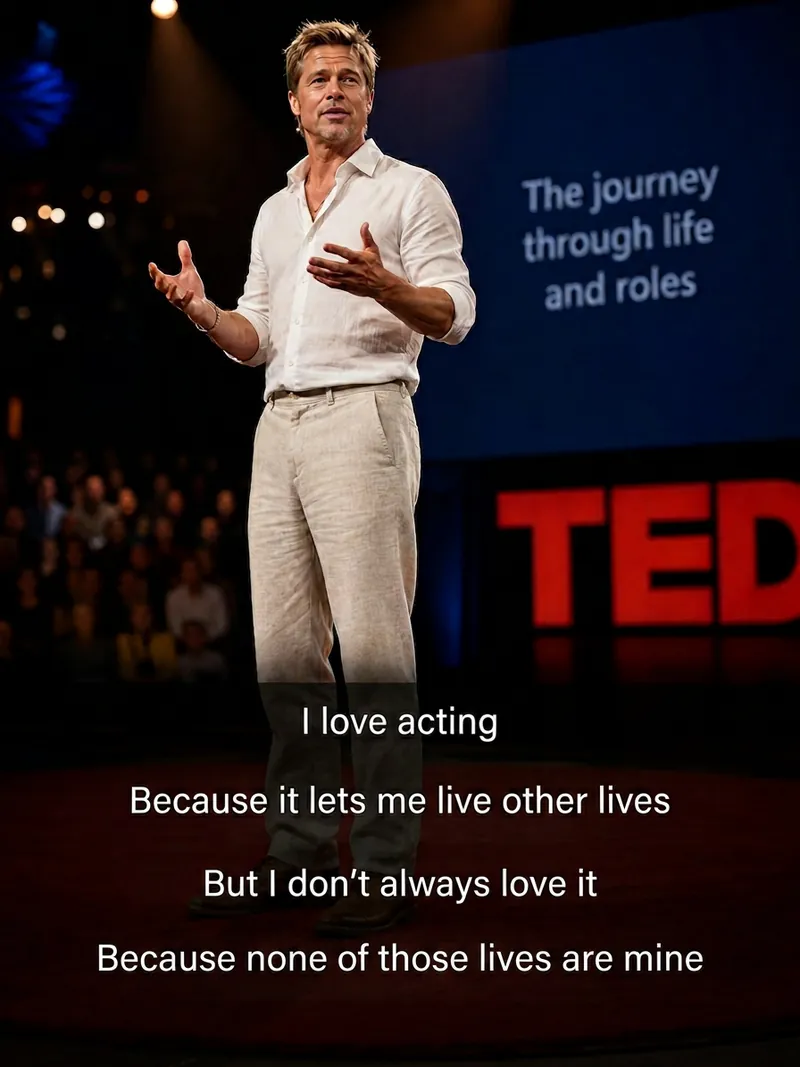
Turn a portrait photo and a quote into a vertical quote poster with a cinematic narrative feel. Facial features, hairstyle, and identity are kept as consistent as possible with the reference photo, while the quote’s emotion shapes scenes such as an interview, an intimate conversation at home, a courtroom statement, a seaside monologue, a rainy nighttime street, or a retro Hong Kong-inspired setting. Ideal for character quote graphics, mood posters, and social media content. Choose a preset template or customize the scene, clothing, pose, and atmosphere. The Skill also supports speaking mouth shapes, Chinese-English bilingual text, classic typography, subtitle styles, minimalist designs, and Hong Kong-inspired color tones, with output in 3:4, 9:16, or 1:1 formats. Longer quotes are condensed and line-broken for poster presentation, keeping the text concentrated near the bottom of the image so it does not cover the subject’s face and remains clear and readable. The final deliverable is an AI-generated cinematic quote poster, accompanied by the selected scene, text style, and aspect ratio. Because the text is rendered directly by AI, complex or lengthy quotes may occasionally contain incorrect characters. If the text is inaccurate, shorten the quote or request a new generation.
 Image
ImageMature American 2D Animation
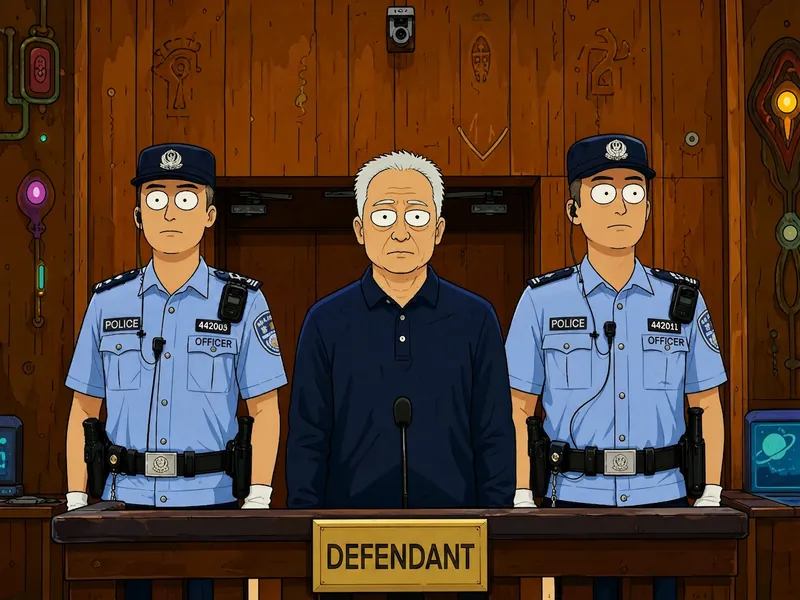
A no-setup visual transformation skill that automatically turns reference images or text descriptions into a mature, adult-oriented American 2D TV animation aesthetic—with graphically simplified characters, clean outlines, flat color blocks, richly detailed environments, cinematic composition, and emotionally mature storytelling. No animation titles or style terms required—just generate.
 Image
ImageReal Handwriting Images
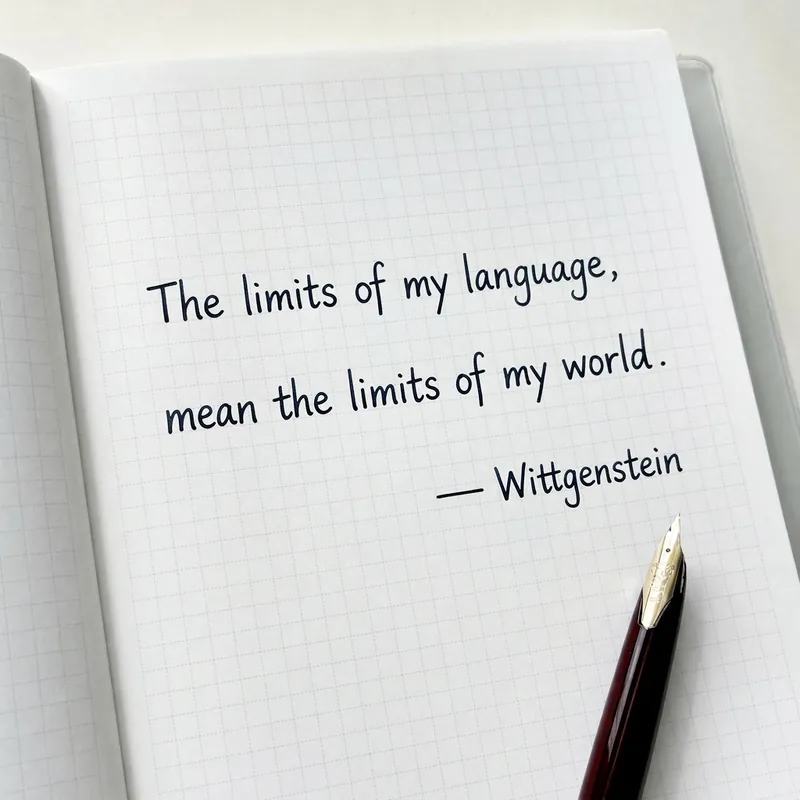
Turn user-provided Chinese or English copy, handwriting details, paper, writing tools, environment, and photography requirements into prompts for highly realistic “real handwriting” images. It can also directly call image generation to create the final image. The core goal is to avoid the look of font libraries, calligraphy artwork, or obvious AI generation, so the text appears to be genuinely written by a specific person, at a specific time, on a specific surface. Trigger scenarios: handwriting, handwritten letters, handwritten images, handwritten notes, note messages, letter paper, handwritten diaries, handwriting styles, and generating images from handwritten copy.