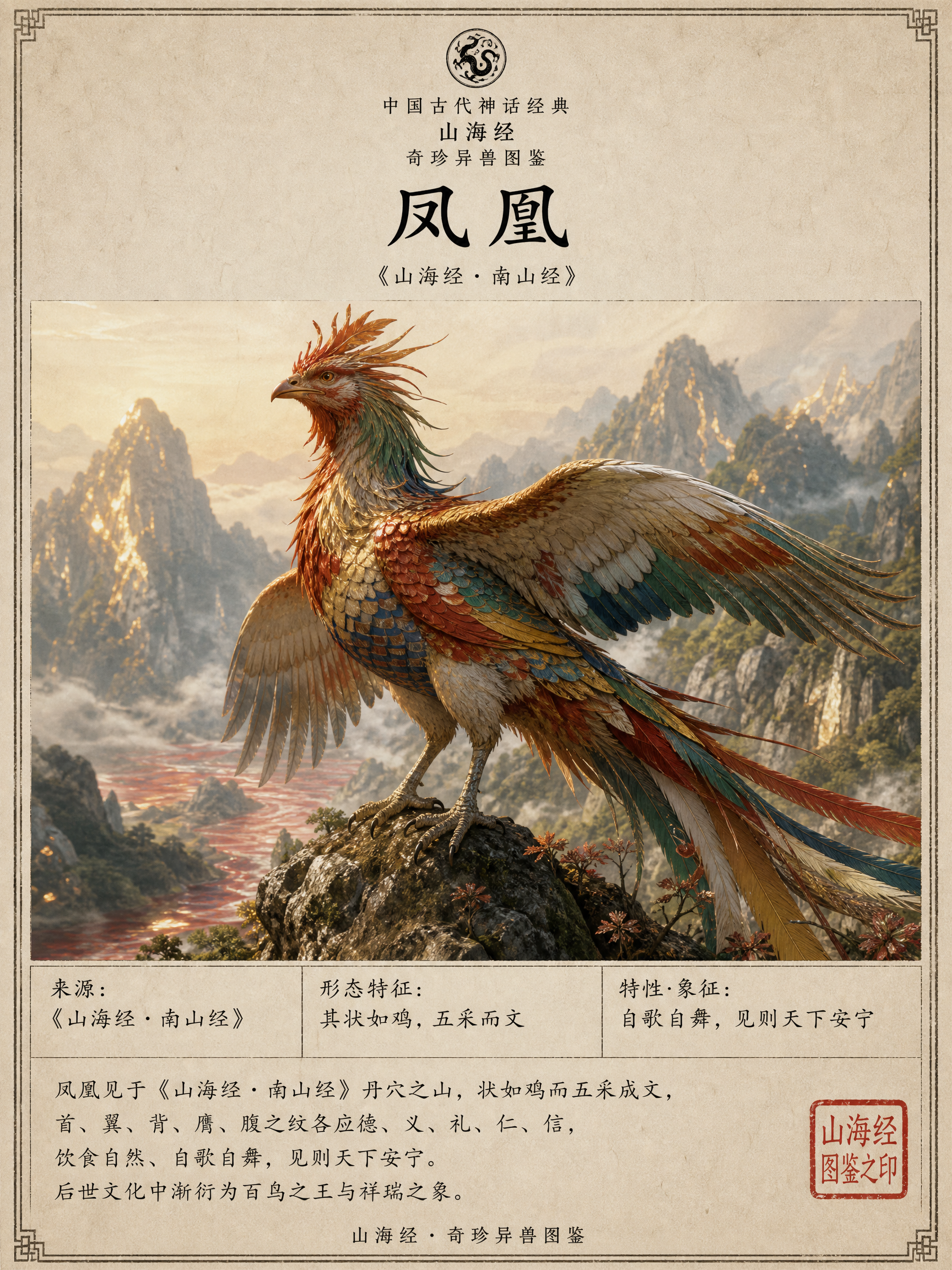
Shan Hai Jing Bestiary Cards
Create hyperreal Shan Hai Jing bestiary cards
Shan Hai Jing Bestiary Cards
Create hyperreal Shan Hai Jing bestiary cards
Showcase
Description
Turn beasts, strange birds, plants, deities, and other supernatural beings from the Shan Hai Jing (Classic of Mountains and Seas) into collectible, hyperreal Eastern natural history cards. Whether you provide a creature’s name, a passage from the original text, a custom theme, or a reference image, the Skill organizes its classical source, physical traits, and supernatural attributes into a clear design. If you provide only a name, it can also develop the visual concept directly from the original classic, with no additional explanation needed. Each finished card uses a 3:4 vertical collectible format with a consistent layout, aged ivory and blue-gray ink-black tones, antique paper texture, fine-line borders, seal stamps, and Chinese information panels. The featured creature is reconstructed with credible bones, muscles, skin, fur, feathers, or scales, then presented from an observational angle inspired by nature documentaries, with realistic weight, environmental lighting, and cinematic CG detail. The result avoids chibi, cartoon, and generic game-character illustration styles. The visual language draws from Shang and Zhou bronze vessels, classical book design, stone reliefs, jade artifacts, seal carving, and traditional natural history, without relying on clichéd xianxia or fantasy decoration. Each card brings together the creature’s name, source, appearance, traits, and a concise introduction, while clearly distinguishing original records from later cultural interpretations. It is suited to creating individual collectible images, a series of Shan Hai Jing bestiary cards, or an ongoing body of work built around the same aesthetic of ancient Eastern artifacts.
Recommended by
Dancang
Why we love this skill
Combines textual research, biological reconstruction, and ancient Chinese artifact aesthetics to create collectible, cohesive hyper-realistic bestiary cards.
Related Skills
View all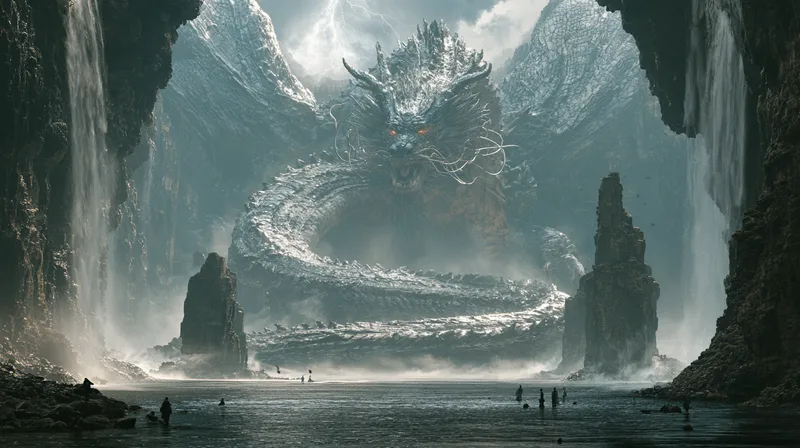 Image
Classic of Mountains and Seas
Transform a single scene concept into Classic of Mountains and Seas style mythological image prompts featuring moonlit sea of clouds, celestial palaces, and colossal beasts. Ideal for scenes like beasts descending, ancient people looking up, crowds watching ceremonies, solitary beast portraits, and scenic views. Beast anatomy, colors, and patterns are clearly described based on historical records or user settings to avoid western dragons or generic fantasy creatures. The visuals maintain the oriental textures, fine brushwork, cold-warm lighting, and epic feel of the reference images. Users can specify locations, times, weather, character counts, aspect ratios, and beast actions, or start with a vague idea to flesh out visual details. Outputs can include complete Midjourney English prompts, Chinese explanations, and negative constraints for beast form, character scale, moon disc, color temperature, and architectural style. Sets of prompts with consistent settings can also be generated when needed. For ImageGen, native Chinese prompts without Midjourney parameters are provided. After receiving images, you can refine beast count and structure, character scale, moon position, color, and oriental brushwork based on actual deviations to make subsequent prompts match your expectations.
Free · Museum of Everything
Turn a city, plant, animal, ingredient, mineral, object, building, or cultural concept into a museum-style knowledge infographic with both educational value and a collectible feel. The 3:4 portrait layout uses a high-quality hero visual to anchor the composition, paired with elegant Chinese titles, English or Latin scientific names, classification labels, and concise definitions so the subject’s traits and character are immediately clear. The information is organized flexibly according to the subject, covering modules such as a core profile, structural cross-section, geographic and historical context, experiences and applications, comparisons with similar subjects, identification and care, or cultural extensions. Key figures, icons, maps, timelines, and concise charts are interwoven to avoid crowded tables and rigid nine-grid layouts, balancing rich information with easy reading. When presenting key names and user-provided data, the design prioritizes textual accuracy and avoids inventing precise conclusions. The overall visual style combines natural specimen photography, refined museum wayfinding panels, and the character of a high-end magazine yearbook. It uses low-saturation natural colors such as off-white, gray-green, and warm gray, along with restrained accent colors, serif headings, and generous whitespace. It is suitable for knowledge cards, educational posters, exhibition guides, and social media content. It also supports creating a series of collectible images with consistent layouts, colors, and numbering across multiple subjects.
 Image
Dark 3D Literary Characters
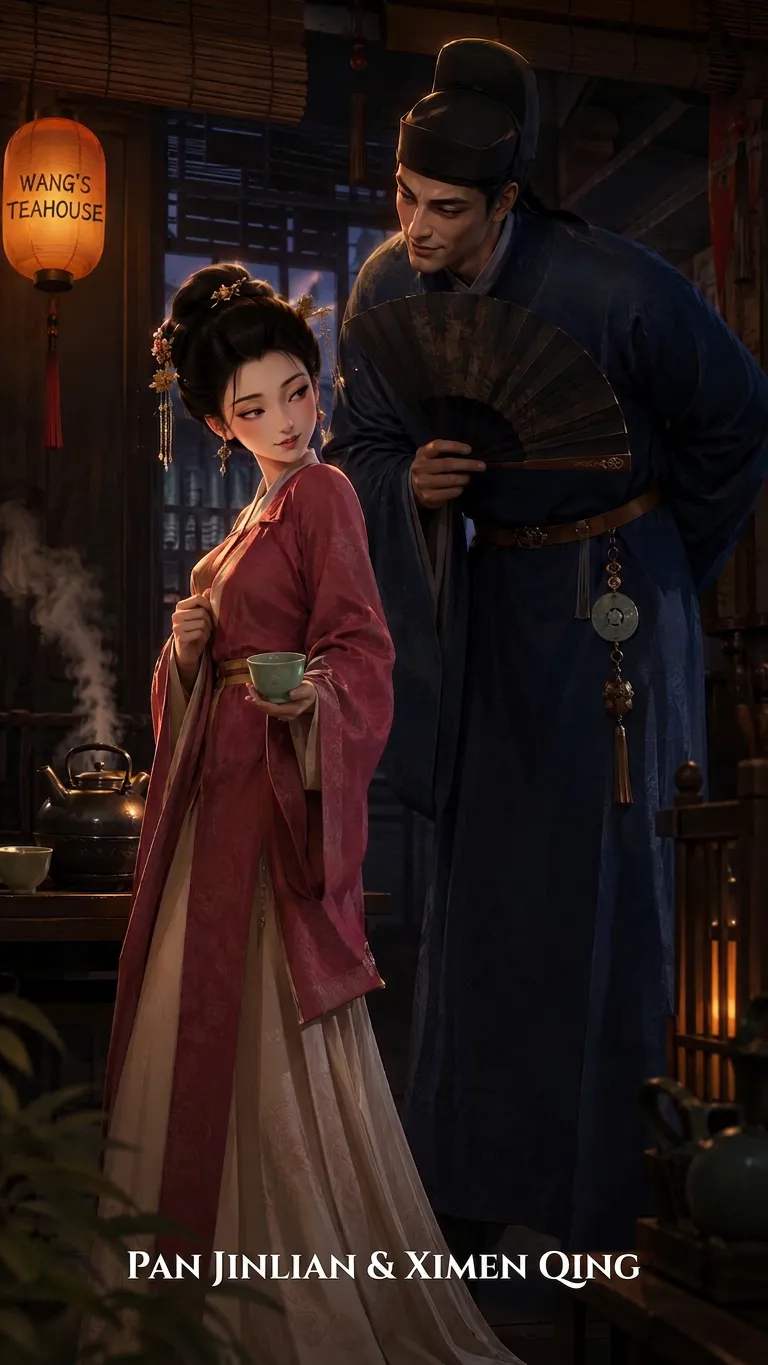
Transform characters from *Romance of the Three Kingdoms*, *Water Margin*, *Journey to the West*, *Dream of the Red Chamber*, and other Chinese classical works into polished 3D cartoon game characters that remain recognizable without written labels. Whether depicting generals, warriors, monks, scholars, women, immortals, or monsters, the skill combines each character’s identity, stage of life, and defining experiences with visual designs grounded in the historical setting—reducing timeline errors, lookalike characters, and cultural mismatches. You’ll receive a complete character-recognition-focused design plan covering silhouette, signature weapons and accessories, clothing materials, color palettes, pose and expression, environmental mood, and differentiation from similar characters. It also accounts for common image-generation inaccuracies involving ancient Chinese clothing, weapons, and character types. When the source material is uncertain, references are checked first to determine the appropriate period and visual direction. The skill supports both character illustration and scene-based requests. It can produce reusable, copyable image-generation Prompts, specify image dimensions, and review the result for period accuracy, key symbols, colors, cultural traits, pose and structure, and overall recognizability—making corrections and iterations when needed. It is suitable for classical literature character concepts, game character development, visual design, and Chinese-style AI image generation.
Information
- Version
- v2
- Last updated
- Runtime credits
- Usage-based
- Models
- Auto
