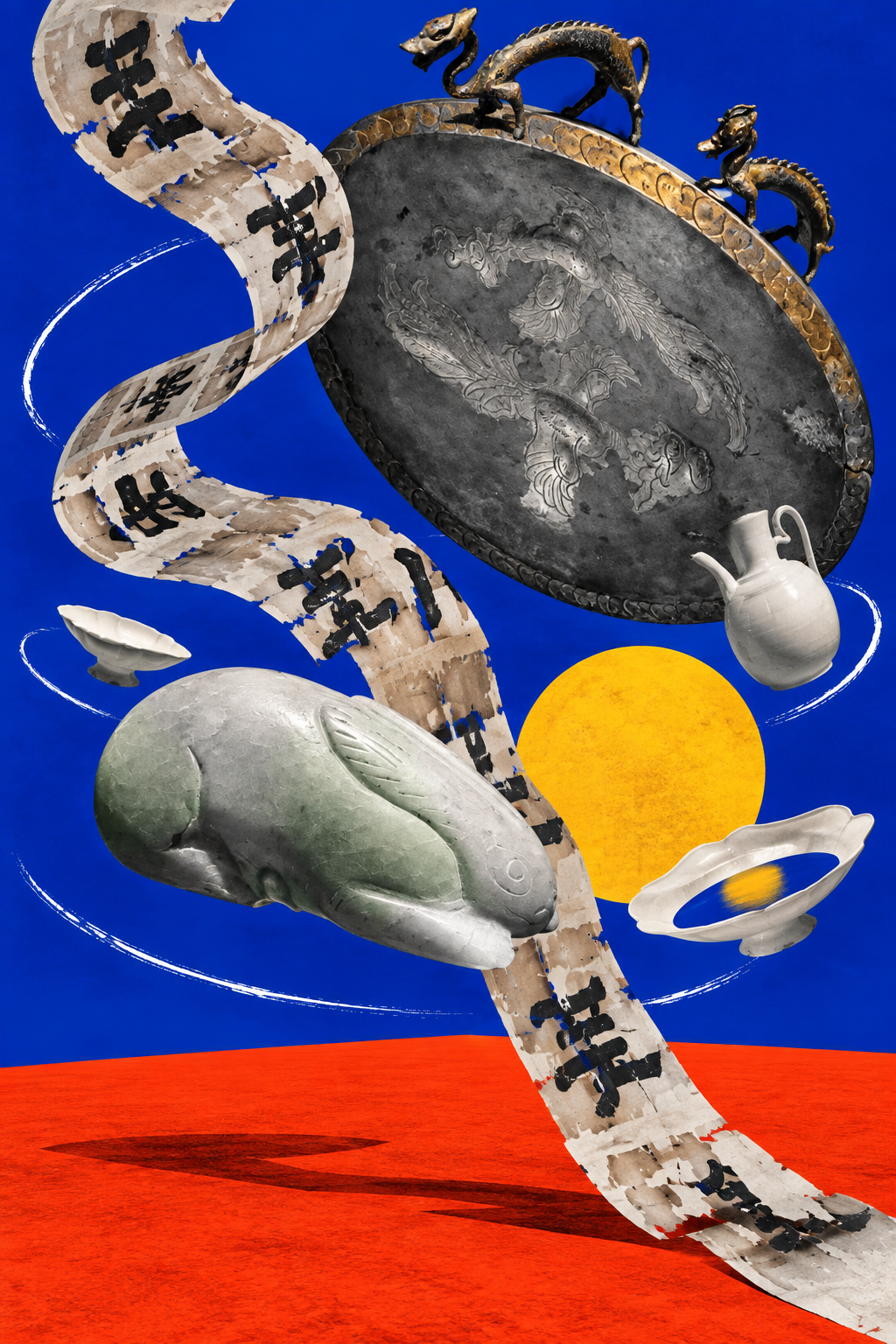
S.013 Starryear Collage
Turn five artifact photos into one art photo
S.013 Starryear Collage
Turn five artifact photos into one art photo
Showcase
Description
Transforms the features of objects in exactly five artifact photos into a completely new artistic photograph. The Skill focuses on each object's silhouette, proportions, materials, patterns, colors, and visible traces, then brings them together in one complete scene with a clear visual focal point and spatial relationships. Recognizable structural characteristics are preserved, while the background, lighting, shot scale, positioning, and overall color palette can be freely changed. The final image may take the form of realistic photography, a surreal scene, or a visual effect with an artistic collage quality. Here, “collage” refers to the creative arrangement within the image—it does not mean placing the five original photos into a grid, split layout, or composite set. Only one complete standalone image is delivered, without source-photo layouts, alternate options, borders, titles, logos, or watermarks. It is suitable for artifact-focused visual creation, cultural-theme posters, and artistic image-making.
Recommended by
淡苍
Why we love this skill
Turns five artifacts’ forms, patterns, and materials into one cohesive art photograph—not a simple photo grid—with free color choices and surreal space while preserving recognizability.
Related Skills
View all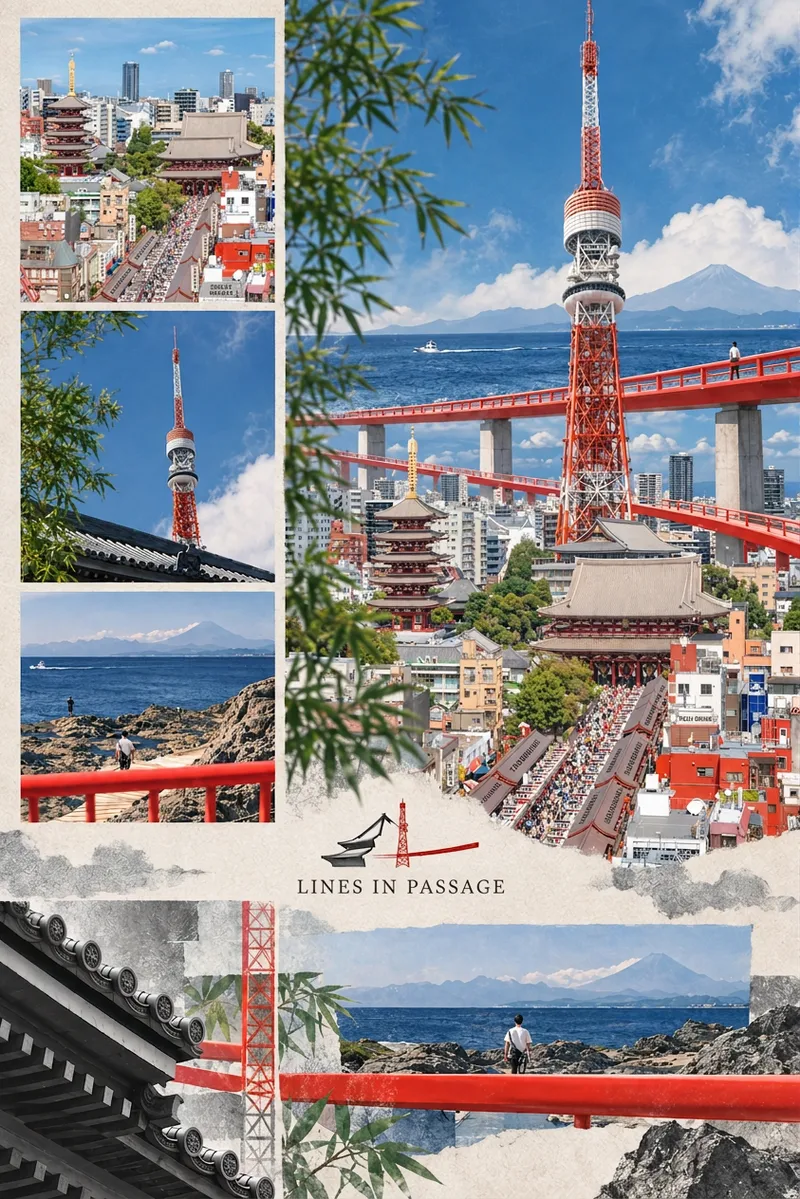 Image
Image【S.014】Year · Fusion | Photography Skill · Starryear
Combine three Buddhist-themed photos into a complete vertical art collage, creating a coherent narrative where the original images, surreal imagination, and abstract deconstruction coexist in one composition. The work preserves all three photos as recognizable visual evidence while distilling their colors, contours, lighting, and spatial relationships into a primary visual with absurd scale and clear spatial tension—for example, placing a giant Buddha image alongside a tiny human setting—without changing facial features, poses, or religious identifiers. The lower section uses a horizontal composition distinct from the primary visual to release fragments, silhouettes, and color blocks from the photos, avoiding ordinary grids or repeated cropping. The central negative space becomes an embedded editorial signature: a simple logo made from abstract elements extracted from each of the three photos, paired with short, natural, artful French text. The final deliverable is a cohesively arranged, flattened composition suited to Buddha’s Birthday themes, experimental religious imagery, art posters, and editorial-style photography collages.
 Image
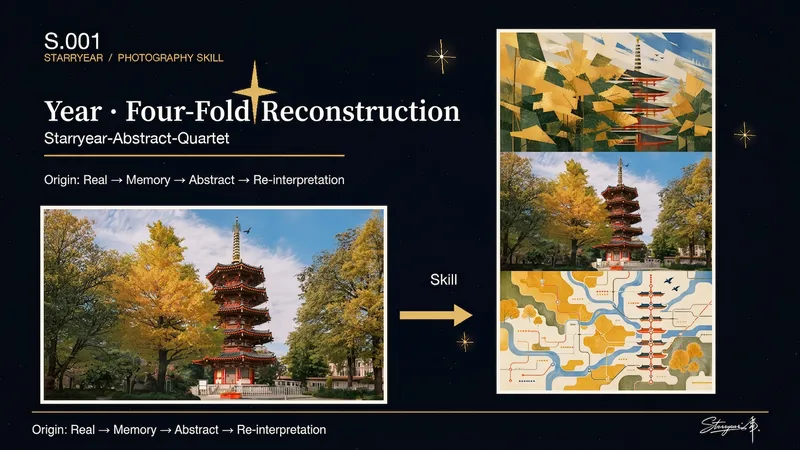
ImageTriple Memory · Starryear
Turn a single user-uploaded photo into a triptych with continuous visual logic: the top panel draws the subject or core space inward, distilling it into an abstract form that is stable, concentrated, and still retains its identity; the middle panel preserves the real original photo as irreplaceable photographic evidence; the bottom panel releases the photo’s colors, contours, textures, and spatial relationships outward, creating a dispersed, transformed, and more surreal new setting. The final image reveals the difference between convergent and diffuse abstraction while allowing viewers to trace their connection to the original photo. This Skill works with single photos of people, animals, objects, architecture, interiors, or natural scenes. The abstract results develop from the photo’s own subject relationships, compositional direction, color relationships, and visual rhythm rather than applying fixed patterns, generic filters, or unrelated decorative styles. It pays particular attention to the number, identity, orientation, and proportions of subjects, as well as important spatial relationships, ensuring that the middle panel remains the original photo without replacement. You’ll receive a finished source-driven triptych, along with a brief summary of the key visual DNA used for the two abstract panels above and below, making it easier to understand which clues the convergent and diffuse treatments extracted from the original image.
 Image
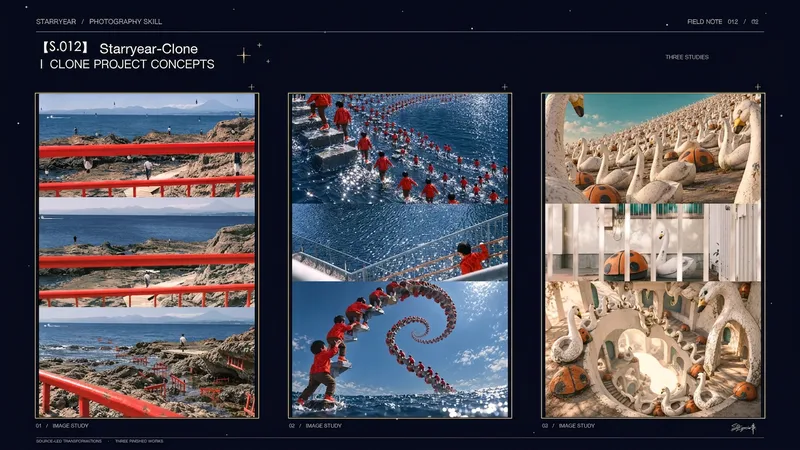
Image[S.012] Year Clone · Photo
Turn one photo into a borderless vertical triptych: the center preserves an unaltered crop of the original image as clear evidence of the scene, while the top and bottom each clone and invert a different subject from the photo. The result is a surreal image rooted in the original environment. The top panel can focus on a primary subject such as a person or animal, while the bottom panel works well with boats, buildings, railings, landmarks, or other clearly structured objects. Each generated area retains one recognizable subject at a clear scale, while allowing smaller inverted forms to blend into the foreground, background, water, rocks, roads, or building edges. The original scene’s lighting, perspective, occlusion, materials, and depth of field are maintained. Ideal for photographic collages with separately duplicated and inverted people and objects, source-photo-driven surreal triptychs, and visual experiments that preserve features such as landmarks, mountains, and skylines. The final output is a single vertical 2:3 image with no text, border, watermark, or decorative title.
Information
- Version
- v8
- Last updated
- Runtime credits
- Usage-based
- Models
- Auto