Multi-Angle Thinking Framework
Multi-Angle Thinking Framework
Showcase
Description
When facing complex problems, making decisions, seeking innovative solutions, or feeling limited by a single perspective, this approach can be used. Triggers include "How should I think about this problem?", "What am I missing?", "Need a new perspective", or when encountering difficulties.
Related Skills
View all
Multi-Framework Analysis
Turn complex problems into structured, multi-perspective analyses that can be reviewed, verified, and used to support next steps. Whether you are evaluating career choices, business and product decisions, social phenomena, controversial issues, trending topics, innovations, or abstract concepts, this Skill first clarifies the subject, goals, constraints, known information, and key unknowns. It then selects complementary cognitive frameworks based on the task, avoiding a pileup of concepts or repeated versions of the same conclusion. The analysis clearly distinguishes between information provided by the user, verified facts, general principles, assumptions, inferences, and content that still needs validation. It places evidence, mechanisms, counterevidence, alternative explanations, and uncertainty within a clear chain of reasoning. For time-sensitive, controversial, specialized, or high-risk facts, it can use targeted web searches and verify original sources. When sources conflict, it preserves the differences rather than filling gaps with unverified data or overly certain claims. The final output typically includes a problem profile; the framework selection and analysis of each framework; areas of agreement and disagreement across perspectives; sensitive variables; blind spots and failure conditions; and conditional conclusions with confidence levels. It does not replace professional medical, legal, investment, tax, or other advice. Instead, it helps you identify the factors that truly affect judgment and design minimal validation steps, information-gathering plans, decision gates, or reversible next steps. Simple questions can be condensed into a brief assessment, while complex or multi-subject tasks can be developed into a complete analytical report.
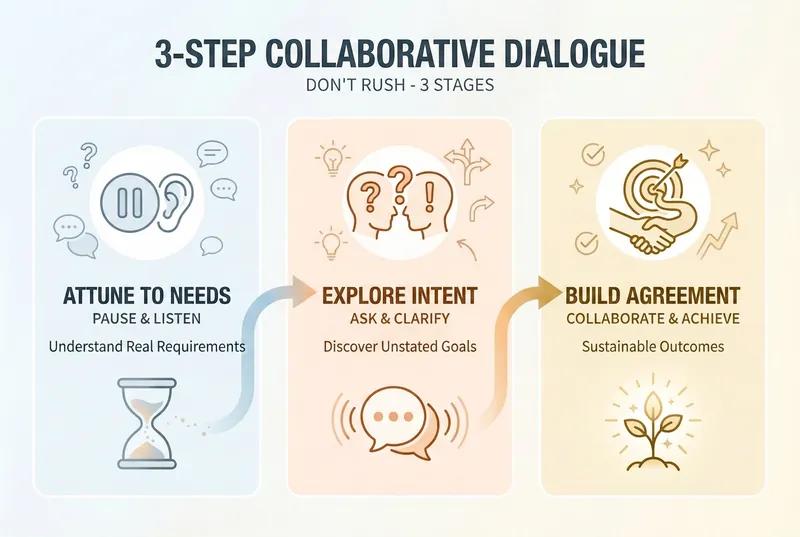
Take a Beat
When you're facing a complex problem and don't have a clear idea yourself. When you need to make long-term plans, brainstorm, or solve multi-step technical challenges. When you feel AI responses are scratching the surface and missing the core of the issue.
Steelman Major Decisions
Before making a major decision, don’t rush to a snap judgment. This skill helps you think the problem through before reaching a conclusion: clarify the real problem you need to solve, surface hidden assumptions you may not realize you’re making, steelman the strongest arguments on both sides, identify the critical point of disagreement—the condition that would flip the conclusion—and finally ask you the one question most likely to change the outcome. After you answer, it gives you a clear judgment and concrete action steps—not the empty claim that “both sides have a point.” Use it for career choices, technology selection, product direction, business decisions, investment judgments, team disagreements, and any moment when you find yourself saying, “Help me think this through.” How to use it: Enter the decision you’re wrestling with. For example: “Should I leave my big-tech job to start a company?” “Should we use option A or B for this solution?” or “Should we cut this product line?”
Information
- Version
- v1
- Last updated
- Runtime credits
- Usage-based
- Models
- Auto