Magazine-Style Make It Pop
Turn articles into editable, HD covers
Magazine-Style Make It Pop
Turn articles into editable, HD covers
Showcase
Description
Turn articles, opinions, or exact copy into magazine-quality Make It Pop landscape covers. The default 2.35:1 (2350×1000) composition uses two visual focal points: a restrained editorial title area on the left, and content-relevant visuals—such as menus, cards, cursors, and structural graphics—on the right. You’ll receive an editable webpage and a downloadable PNG image; JPG is available upon request.
Recommended by
淡苍
Why we love this skill
Transforms articles and viewpoints into publishable magazine covers, combining editorial impact with information-rich storytelling. Content-driven visuals, precise copy and canvas control, plus editable and high-resolution deliverables set it apart.
Related Skills
View all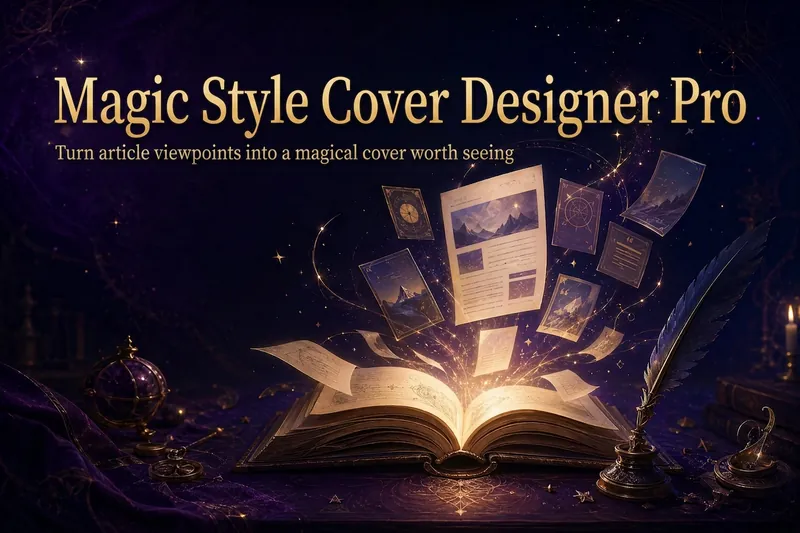 Image
ImageMagic Cover Designer Pro
Turn an article title into a magical cover that makes its ideas stand out. “Magic Cover Designer Pro” is not a random image generator. It is a visual content packaging workflow: “content understanding → title confirmation → visualizing ideas → platform adaptation → cover generation.” It helps preserve the real title and subtitle while transforming an article’s core ideas, emotions, and narrative relationships into vivid, engaging magical visuals with a distinct identity. It supports Twitter long-form posts or Threads, WeChat Official Account articles, Xiaohongshu Notes, product introductions, knowledge sharing, growth retrospectives, and personal brand content. The Skill first identifies the article’s original title, original subtitle, and core idea. The original title is used as the default main cover title, while the original subtitle is prioritized as the cover subtitle. The core idea does not directly replace the cover text; instead, it guides the choice of subject, symbols, composition, lighting, and visual metaphors. It matches visual strategies to different content types: practical breakdowns use magical blueprints or step-by-step scrolls; growth retrospectives use journeys and illuminated paths; contrarian ideas use light-and-shadow conflicts or broken seals; product introductions use magical workshops and core devices; knowledge sharing uses academy archives and spellbooks; and case studies use before-and-after changes and narrative scenes. When a title is too long, it provides both the original-title version and a concise version for you to confirm, without rewriting it on its own. When there is no subtitle, it first offers candidate copy instead of placing an unconfirmed idea directly into the image. Its default visual language combines retro fantasy with magical journaling: deep purple, midnight blue, black-brown, antique bronze, and warm gold, along with parchment, quill pens, spellbooks, sealing wax, stardust, and other tactile elements. It can also draw shared colors, materials, lighting, and narrative qualities from reference images, but it does not copy the specific composition, people, logos, or distinctive elements of any single image. For each platform, it adapts the aspect ratio, text density, subject size, whitespace, and thumbnail legibility to real reading contexts. It is suitable for knowledge creators, personal brands, product authors, and content creators who want to build a consistent visual identity. It does not fabricate numbers, results, identities, or brand endorsements, and it does not promise viral performance. It simply helps the visuals support real content more accurately and vividly.
 Image
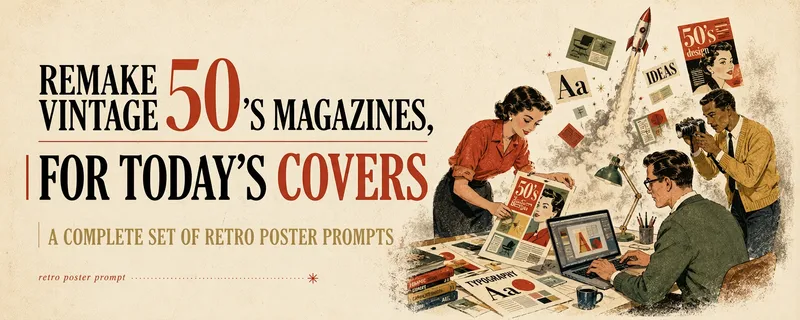
ImageMulti-Platform Cover Design
Turn articles, notes, topics, or long-form text into stylized covers ready for publishing and sharing, balancing title readability, content recognition, and memorable visual metaphors. Supports Xiaohongshu, WeChat Official Accounts, X, and custom aspect ratios. It works for single covers and can also create separate compositions for clearly specified multi-size requirements, avoiding simple cropping or stretching. The skill extracts the title, topic, visual subject, audience, emotion, and contextual background from your content. It then combines these insights with visual styles suited to covers or posters to generate a complete cover prompt ready for AI image generation. Title hierarchy, typography, color, materials, negative space, and the relationship between text and imagery are handled consistently around the selected style, making the result feel more like a designed editorial cover than a generic illustration or templated poster. If you have not provided a publishing platform or visual style, it first asks about the required dimensions and recommends three suitable styles based on your content. Once the details are clear, it continues with generation. You can choose to generate the cover directly or receive only a polished prompt, making it suitable for content creators, editors, and teams that need to adapt covers in batches for social platforms.
 Image
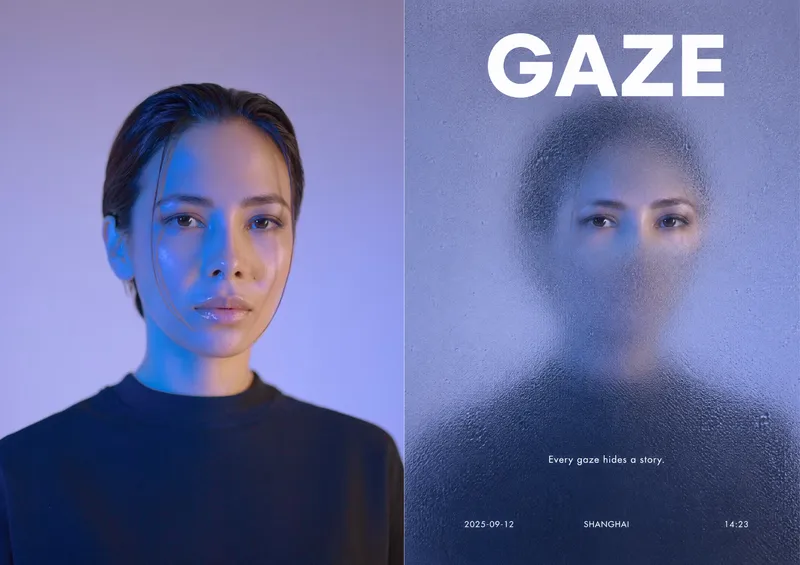
ImageFrosted Glass Reveal
Turn portraits, objects, animals, plants, landscapes, or your written ideas into mysterious, editorial-style frosted glass reveal posters. The subject is covered by thick, low-transparency granular frosted glass, with only a small area of clear detail preserved around the most recognizable features—such as eyes, textures, logos, or flower centers—creating a striking “blurred–sharp” contrast while maintaining the subject’s natural proportions and contours. By default, the design uses organic soft windows without straight lines or hard frames, allowing the clear areas to fade naturally into the matte glass and avoiding harsh edges that would disrupt the overall texture. You can specify raindrop glass, acid-etched glass, or fogged glass, along with cool, warm, or dark color palettes. If you do not specify a palette, a restrained, cohesive low-saturation scheme will be selected based on the subject and mood. If you provide copy, it will be incorporated into the poster layout as requested. If you provide only an image or scene description, the design will combine the visual theme with a concise English title, a poetic short line, and a small amount of informational text to create an elevated magazine, portfolio, or social media cover design. Supports common poster ratios such as 3:4, 9:16, 1:1, and 16:9, making it suitable for portrait covers, brand visuals, art posters, phone wallpapers, and social media graphics.
Information
- Version
- v13
- Last updated
- Runtime credits
- Usage-based
- Models
- GPT Image 2