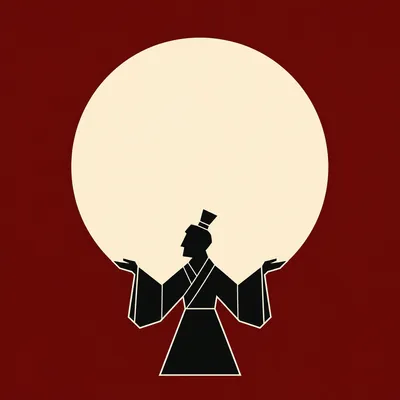
Han Stone Relief Poster
Ancient stone poster with bold lines & colors
Han Stone Relief Poster
Ancient stone poster with bold lines & colors
Showcase
Description
A visual system extracted from Han stone reliefs: geometric silhouette figures × classical background colors × asymmetric editorial layout. Suitable for event posters, live stream previews, podcast covers, and more. You just say the theme, and it carves modern content into the aesthetics of two thousand years.
Recommended by
Shuting@YouMind
Why we love this skill
Combines the bold lines of Han stone reliefs with high-contrast classical colors. Through minimalist geometric compositions, it injects a compelling Eastern stone-and-metal aesthetic into modern event posters.
Related Skills
View all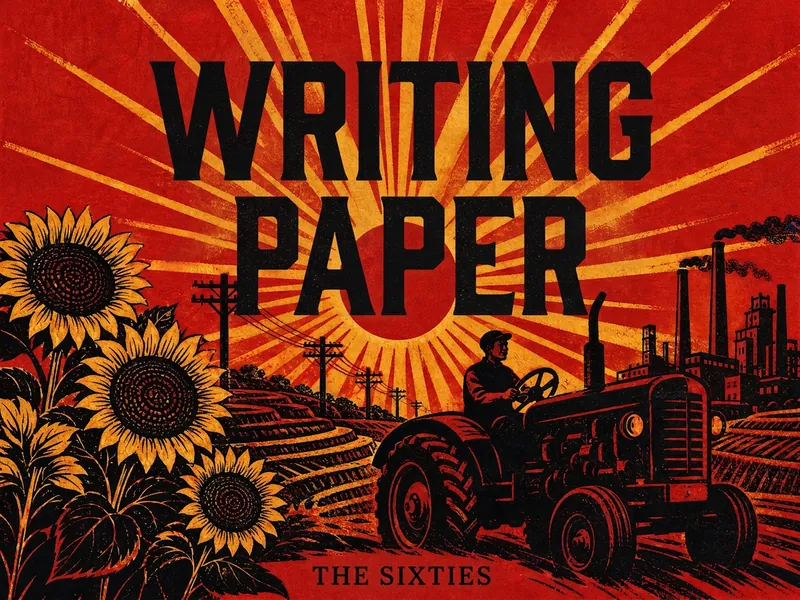 Image
ImageModern Chinese Era Visuals
Transform titles, themes, or graphics into visual designs inspired by modern Chinese eras, suitable for book covers, posters, cards, illustrations, typography, and social media graphics. Simply provide the text, target era, design format, and aspect ratio to receive a visual concept tailored to your theme. If no ratio is specified, a portrait cover composition can be used. Supports a range of styles from the 1920s–30s Republic of China period and the 1940s through the 2000s, including Eastern Constructivism, War of Resistance woodcut, revolutionary realism, understated literary design, humanistic minimalism, and digital visual styles. Each era-based style presents a distinct design language through its color palette, composition, typography, graphics, and print texture—for example, geometric display lettering, woodcut marks, limited-color flat fills, asymmetrical layouts, paper grain, and balanced negative space. Whether you need a literary book cover, an era-themed poster, or a simple Chinese title design, you can evoke the aesthetics of the corresponding period while keeping the text clear and the composition clean. Supports common aspect ratios including 1:1, 2:3, 3:2, 4:3, 16:9, and 9:16, making it suitable for publishing visuals, exhibition promotion, content graphics, and personal creative work.
 Image
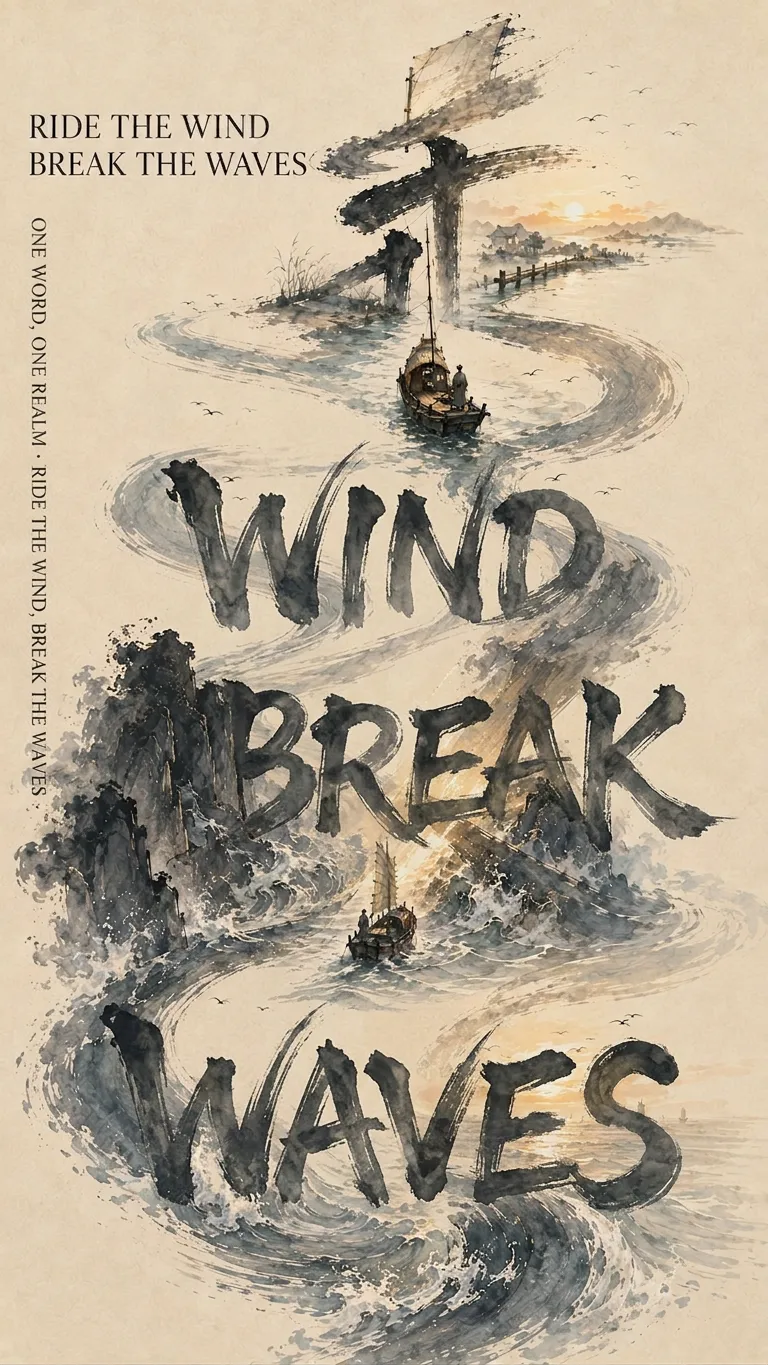
ImageOne Character, One World
This Skill does not simply apply an ink-wash filter to Chinese characters. It first understands the core meaning of the text in its full context, then determines how the imagery, calligraphy, and layout should work together. Give it a Chinese character, name, place name, idiom, line of poetry, or public-domain classical Chinese poem or prose passage. It first interprets the meaning, then transforms the character’s strokes into mountains, rivers, bridges, figures, architecture, or narrative paths, making the calligraphy itself the framework of the composition. Different meanings automatically call for different brush movements, colors, and compositions, rather than being forced into a fixed template. It supports single-character posters, multi-character series, combined-character compositions, and storyboard sequences based on classical poetry and prose. Names, place names, and idioms can be turned into sequential series with one character per poster, or idioms, poetic lines, and parallel phrases can be combined into a single poster. Classical poetry and prose can be divided into 6–12 consecutive posters according to the original order and emotional arc, with nine posters by default for WeChat Moments, while naturally incorporating the corresponding original text into the imagery. The Skill actively avoids common failures: illegible characters, calligraphy that looks like a computer font, misinterpretations caused by checking characters one by one, forcing the entire image into a character-shaped mask, changing only the text while leaving the narrative unchanged across a series, placing the main text in an awkward standalone white box, and presenting garbled small text as a finished design. It is suited to Chinese posters, urban cultural visuals, name-based gifts, idiom and poetry projects, nine-image WeChat Moments posts, Xiaohongshu graphics, and collectible Eastern editorial design. The final result is influenced by YouMind’s current image model. When long text must be accurate character by character, the Skill prioritizes editable text layers for typesetting; when that is not possible, it clearly labels the result as a conceptual base and provides accurate typesetting specifications.
 Image
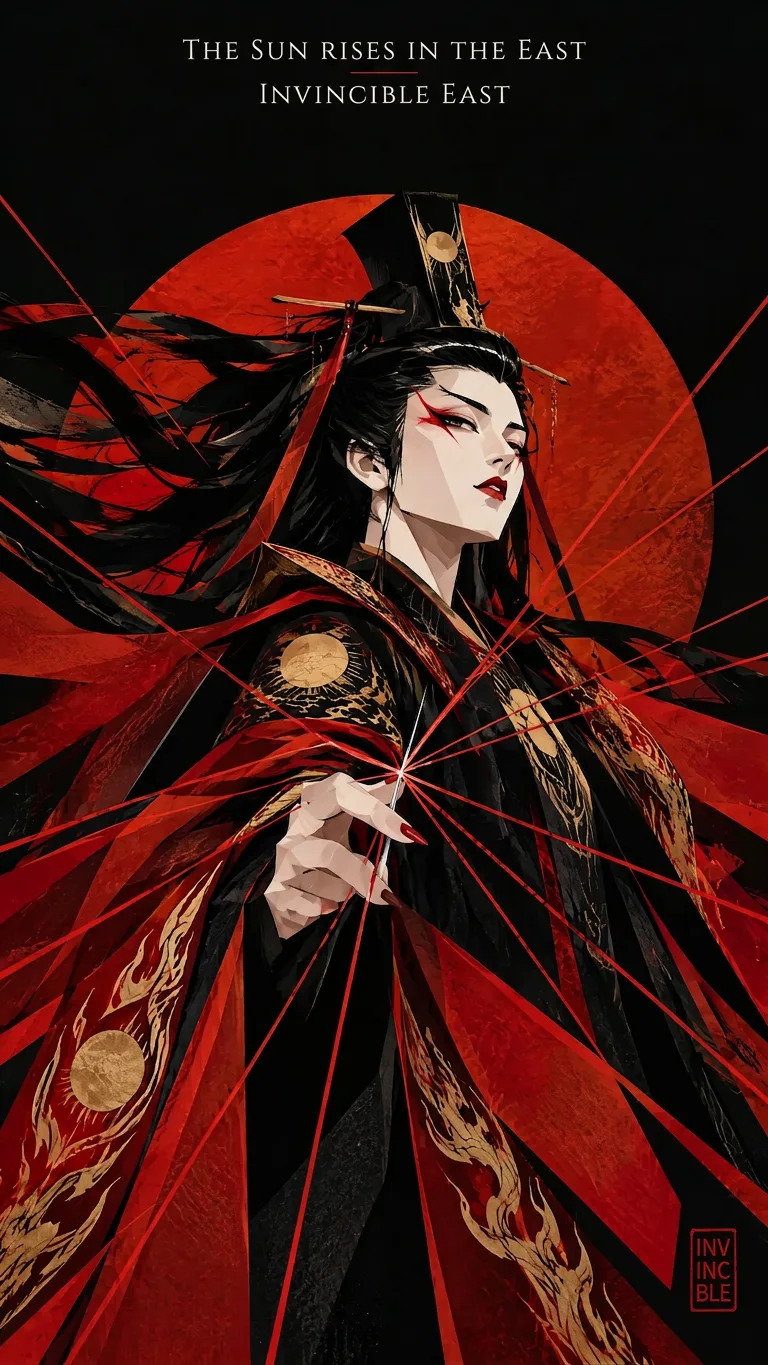
ImageModern Opera Character Posters
Transform Chinese opera, historical, and literary figures into original art posters and phone wallpapers designed for contemporary aesthetics, bringing traditional culture from the stage to phone screens and social media. Whether it’s opera figures such as Guan Yu, Mu Guiying, and Sun Wukong, or fictional characters such as Qiao Feng and Linghu Chong, each can be redesigned as a distinctive modern East Asian character based on their identity, temperament, and iconic props. Rather than recreating traditional costumes or directly copying painted faces, this Skill extracts facial structures, clothing silhouettes, poses, props, and opera patterns, translating them into geometric forms, bold color blocks, hand-drawn lines, abstract symbols, and asymmetrical compositions. Traditional colors are modernized and combined with negative space, flat backgrounds, and controlled high-saturation tones to create a clean, youthful, artistic visual system—avoiding realistic stage effects, cheap “neo-Chinese” styling, and overly elaborate decoration. Customize the design by theme and mood, aspect ratio, background color, degree of modernization, and cultural elements to retain. It can also redesign the features of a person in a photo as an opera-inspired visual character. For phone wallpapers, the composition prioritizes the character and preserves negative space suitable for a lock screen; for social media posters, it uses publish-ready proportions and concise Chinese typography. With a “Sichuan opera face-changing” theme, it can also develop multiple painted-face states of the same character into a poster series.
Information
- Version
- v11
- Last updated
- Runtime credits
- Usage-based
- Models
- Auto