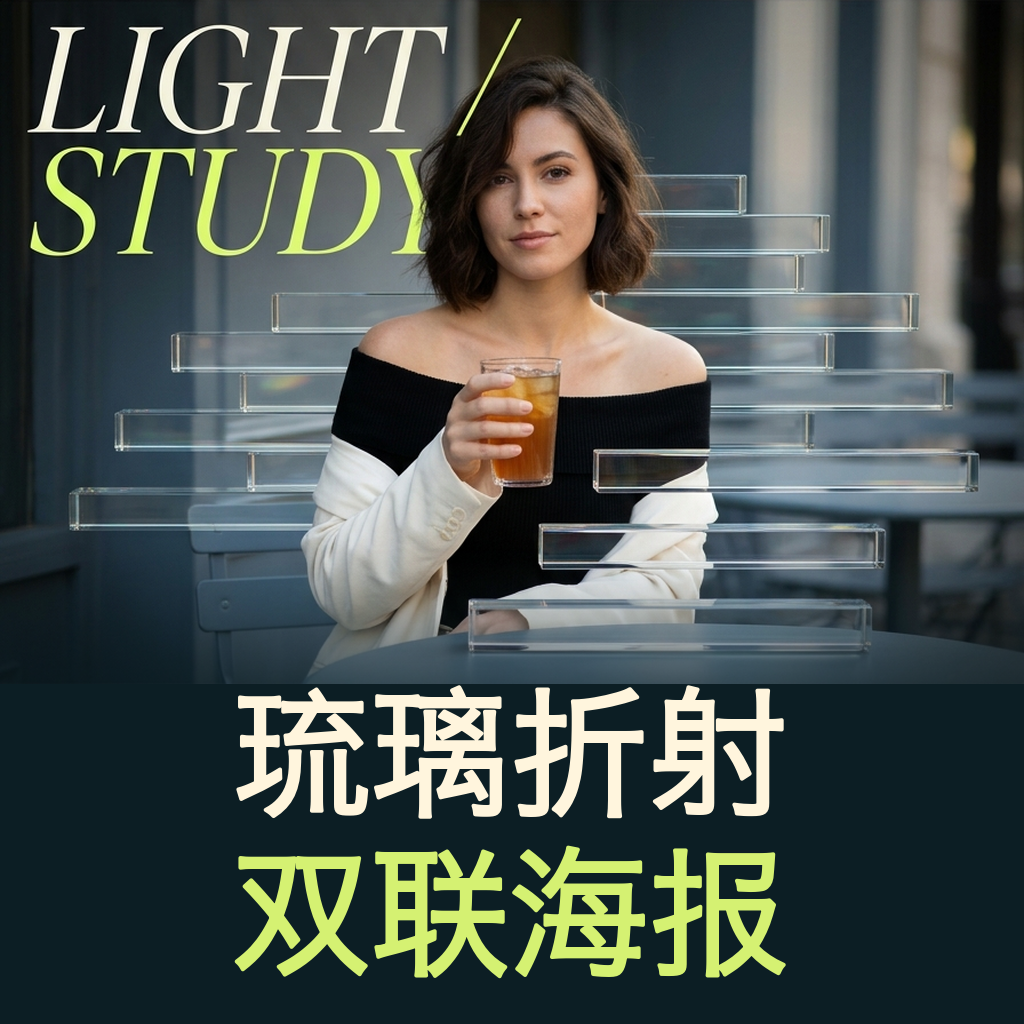
Glass Refraction Split Poster
Generate glass refraction and magazine split posters
Glass Refraction Split Poster
Generate glass refraction and magazine split posters
Showcase
Description
Ideal for content creators looking to produce visual posters for people, still life, or products. Enter a theme to generate images from text, or upload a photo you have the rights to use, and specify a two-line title and color scheme. The skill first identifies the subject and scene, then plans a 3:4 vertical split layout: natural photography on top, and displaced transparent glass prisms, partial refraction, iridescent fine-edge highlights, and large magazine typography on the bottom. It calls available image tools to generate the output, then checks the text, subject, and visual layers. Delivery: An actually generated split poster, title, and verification notes; copyable prompts included when needed. Usage: Enter the subject and scene or upload a photo, provide a title, run the skill to check character/product details and text, and adjust as needed. Display images are AI examples generated locally using the skill's visual method and image tools, not real person photos or client cases. Not yet verified on YouMind; results depend on the platform's models and tools. GPT is recommended for text planning, and available generation/editing models are used for images. Limitations: Photo editing requires the current environment to support reference image input, and exact consistency of character identity, clothing, product structure, or cross-frame details is not guaranteed. Accurate text and refraction are not guaranteed every time and require manual review. Without image tools, only pending execution plans can be provided, not final images. Do not upload photos without usage rights or request copying author signatures or brands. Square avatars are cropped by local AI examples with titles overlaid, not new independent cases.
Recommended by
Dancang
Why we love this skill
Turns text or photos into magazine-style vertical split posters, combining natural photography on top with multi-layered transparent glass prisms, displacement, and iridescent highlights on the bottom for a polished finish.
Best for
Ideal for content creators who need to produce visual posters for people, still life, or products.
How to use this Skill
Provide your input
Provide a theme, subject, scene, two-line title, and color scheme, or upload a photo you have the rights to use.
Run the Skill
The system plans a vertical split-layout composition based on your input, adds transparent glass prism refraction and magazine typography, and checks subject continuity and text legibility.
Review your result
Receive a split-layout poster and title verification notes, with copyable prompts provided when needed. If no image tool is available, an execution plan is provided instead of a final image.
Related Skills
View all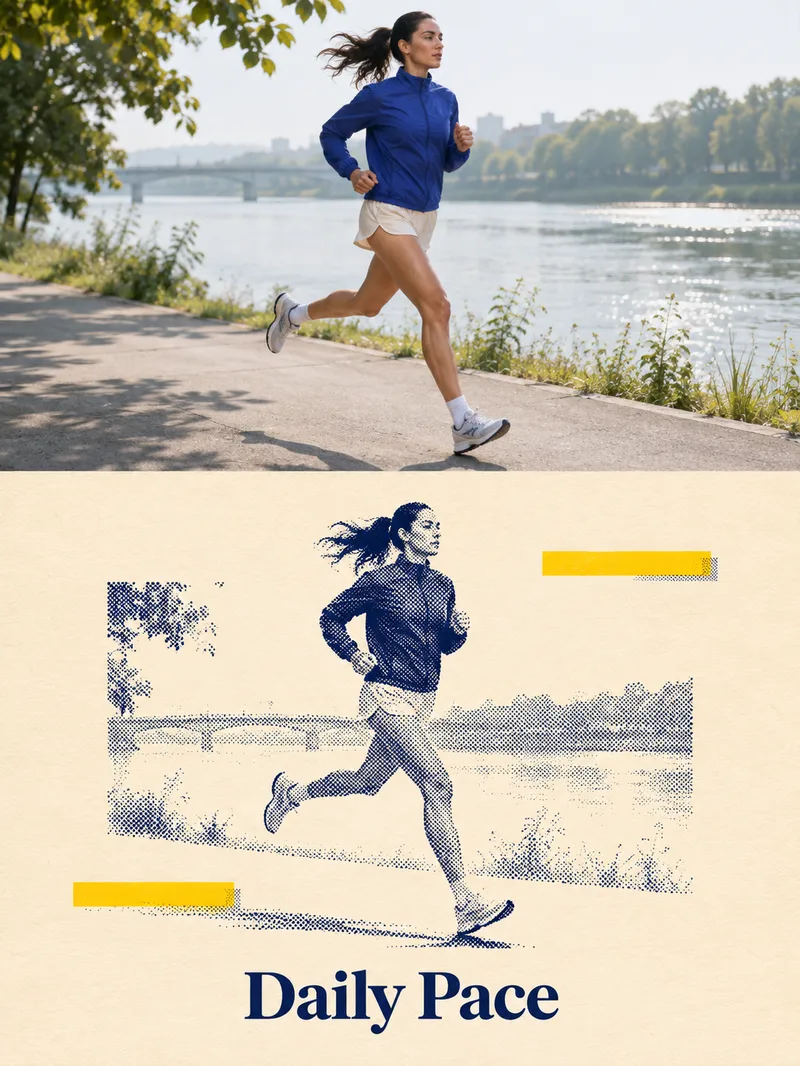 Image
Two-Tone Halftone Overprint
Ideal for creators making social media graphics, editorial posters, and personal visual exercises. Provide a subject such as a person, pet, building, or still life, and optionally specify a title and color scheme. Photo mode requires authorized, clear, and readable images. The skill first identifies the subject and essential outlines, planning a vertical diptych layout: the top features natural photography, while the bottom uses dark blue halftones of varying density for light and shadow, paired with a warm white paper texture, subtle yellow geometric blocks, and a short title. It then uses the current environment's image tools to generate and review the result. Delivers an actual poster, title text, and verification notes, with copyable prompts included when needed. Usage: Enter a subject or photo, specify the title and purpose, then review the subject, text, and composition after running, and request specific adjustments. The four display images are AI examples generated locally following the full skill visual method: an adult runner, an orange cat, a fictional building, and an unbranded coffee pot, and are not actual photos or real client cases. The avatar was generated separately based on the local halftone cat case, showing visual effects and Chinese titles. YouMind integration and uploaded photo editing have not been tested in practice; details, halftone thickness, whitespace, and subject size may vary. The runner example retains more background, and exact consistency per run is not guaranteed. Text planning can use GPT, while image creation relies on the actual image tools provided by the runtime environment. The local image_gen did not return a specific model ID, and no binding to Image2 is claimed. Without image tools or if generation fails, image delivery is incomplete, and only pending prompts can be provided. Verify text, portrait rights, and product structure before official use; exact identity or detail consistency is not guaranteed, and automatic publishing or purchasing is not supported.
 Image
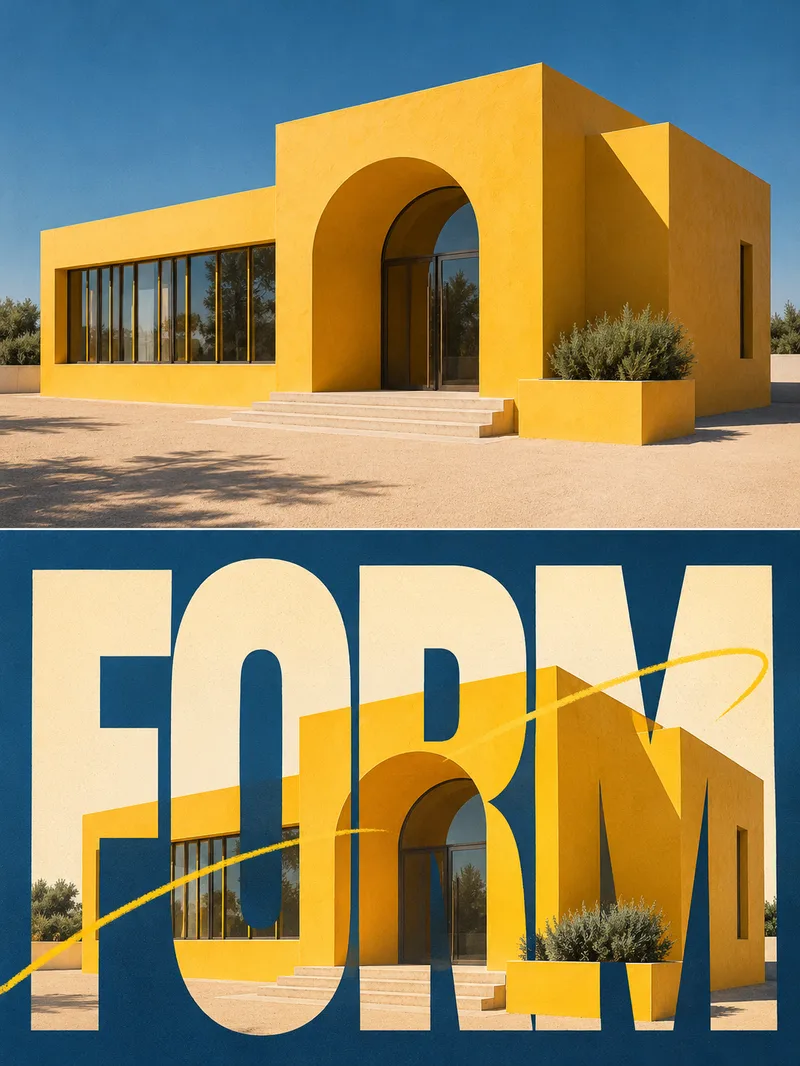
Retro Typography Poster
Ideal for creators making social media graphics, sports themes, and editorial posters. Provide a text theme or an accessible photo with a short English word, color scheme, and purpose. Subjects can include people, pets, or architecture. The skill first verifies the subject and props, then plans a 3:4 dual-panel layout: natural photography in the upper frame, and huge, condensed bold typography organizing the lower frame. Photographic textures are woven into the letters, with parts of the subject extending in front of the text. It pairs warm white paper textures, a primary background color, and subtle motion lines, then uses actual image tools to generate and review each item. Delivers an actual poster image, reproducible title, and verification notes, with full prompts included when needed. Usage: Specify the theme, short word, and aspect ratio; review the subject, props, spelling, and occlusion, then request specific edits by part. Without image tools, the generation remains incomplete, and prompts are not passed off as finished images. Four example displays show fictional AI cases generated locally following the final skill workflow on November 12, 2026: tennis PLAY, golden retriever GO, architecture FORM, and dancer MOVE. These are not real photos, actual architectural records, or client deliverables. All four examples feature photo-text weaving and subject layering, where letter masks partially obscure bodies or structures, with variations in local poses and textures, and differing crops for the two tennis panels. They are not lossless photo edits. The avatar reference was separately generated from the golden retriever case, and the square render includes a Chinese title rather than serving as a fifth independent case. GPT is recommended for text planning, while image generation or editing tools available in the current environment are required for final image output. Locally uses the built-in image_gen without a returned model ID, and does not claim integration with Image2. Uploaded photo editing and YouMind execution have not been formally tested, so exact identity, product structure, text, or cross-panel consistency are not guaranteed. PSD or vector source files are not delivered. The 299 credits cover the skill installation fee only and exclude platform model and third-party service fees.
 Image
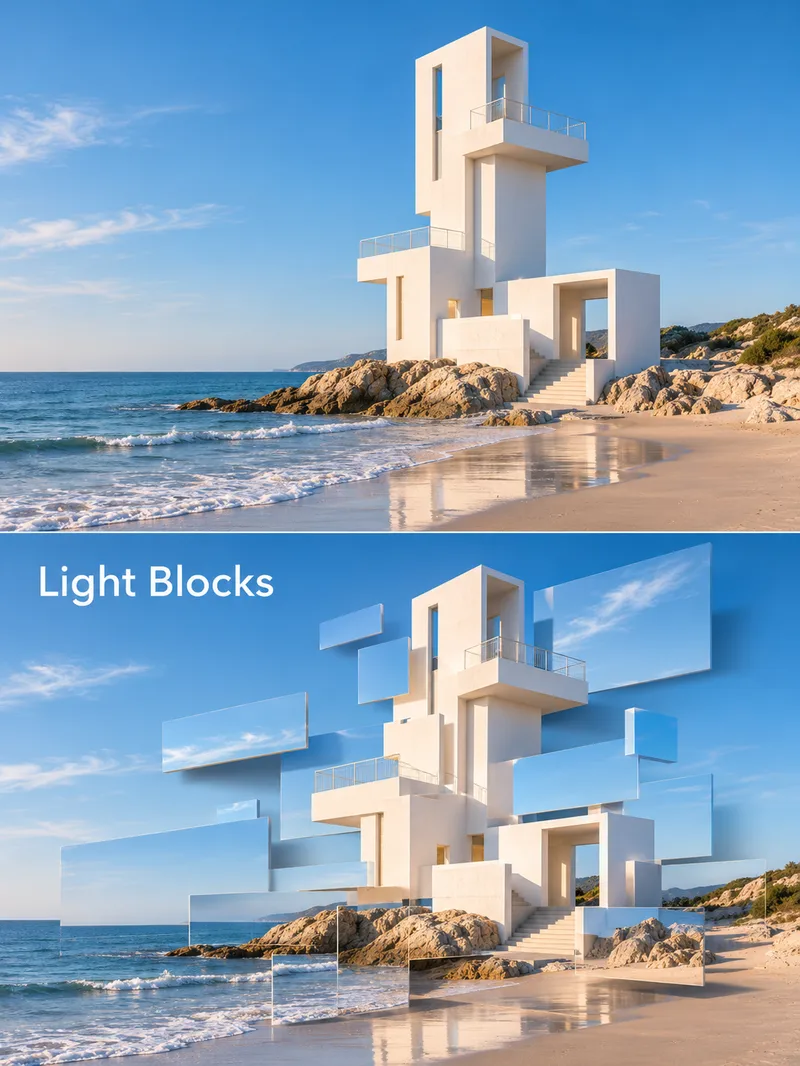
Rectangular Fragment Poster
Ideal for creators making architectural, still-life, or character visual posters. Provide a text theme or readable photos with usage rights, and specify short titles, color schemes, purposes, and aspect ratios. The skill first outlines the subject contours and elements to retain, planning a vertical diptych: the top frame features natural photography, while the bottom frame converts parts of the photo into staggered, floating rectangular fragments, showing depth through edges, soft shadows, and perspective, with fewer fragments near facial features for characters. After calling available image tools, it verifies the subject, fragments, text, and cropping, revising as needed. Delivers an actual poster, title, and inspection notes, with full prompts attached when necessary. Usage: Describe the theme and title, check the two frames, props, and text after generation, and request specific edits. Four display examples are fictional AI cases generated locally on November 12, 2026, using the skill's visual methods: a seaside white tower, a yellow pavilion, a red terracotta vase, and an adult woman. These are not real photos, architectural records, or client projects. All four feature photographic rectangular pieces and spatial layering, though the white tower and character have more background fragments without fully decomposing the subject; details vary across frames. The avatar reference was generated separately from the red vase case, clearly showing the effect and Chinese title, and is not a fifth independent case. Text planning can use GPT, while image generation requires usable image generation or editing tools; local use utilizes the built-in image_gen, and without a specific model ID returned, integration with Image2 cannot be claimed. Photo editing and YouMind execution have not been fully tested, so character identity, product structure, text, background, or cross-frame consistency cannot be guaranteed. Image delivery is incomplete if image tools are unavailable. The 299 credits cover the skill installation price and do not include platform models or third-party service fees; editable PSDs, vector files, or real optical parameters are not delivered.
Information
- Version
- v2
- Last updated
- Runtime credits
- Usage-based
- Models
- Auto
- Use cases
- Images & design
- What you get
- ImagePrompt
- Visual styles
- Editorial3DPhotorealistic
