
AI Motion Comic Storyboard Master
Turn scripts into production-ready storyboards
AI Motion Comic Storyboard Master
Turn scripts into production-ready storyboards
Showcase
Description
1. Continuity First: Keep scenes, lighting, and core character features highly consistent across shots. Shot transitions must follow audiovisual logic. 2. 50-Second Golden Pacing: Strictly control the total duration to 50 seconds, divided into 5 to 7 core storyboards. 3. Vivid Expressions & Actions: Avoid empty psychological descriptions. Express all emotions through micro-expressions, body movements, and physical reactions. 4. Multi-dimensional Audio Visual: Accurately match each storyboard with visual descriptions, prompts, voiceover, dialogue, environmental sound effects, and background music emotions. The ultimate director in AI short dramas. Input a script or a single idea to generate a complete 50-second production plan with core storyboards, camera work, bilingual prompts for Kling, Seedance, or Midjourney, voiceover copy, and timed sound effects. Features a character cross-stage consistency locking mechanism to prevent visual drift.
Recommended by
Dancang
Why we love this skill
Compresses rough ideas into a precise 50-second motion comic blueprint, combining visual continuity, pacing, character consistency, prompts, and audio cues into a single workflow.
Best for
Ideal for short video directors, AI short drama teams, novel or comic promo creators, and individual creators who need to quickly produce storyboard plans.
How to use this Skill
Provide your input
Enter a creative idea, existing script, or instant production request, and you can specify the theme, characters, style, and platform preference.
Run the Skill
The tool organizes plot pacing and visual continuity, breaks down the content into continuous storyboards suited for vertical short videos, and designs camera movements, dialogue, and audiovisual coordination.
Review your result
Outputs a storyboard production plan of around 50 seconds, including a plot summary, 5-7 panels, visual and camera descriptions, bilingual prompts, voiceover, dialogue, and sound effect designs.
Related Skills
View all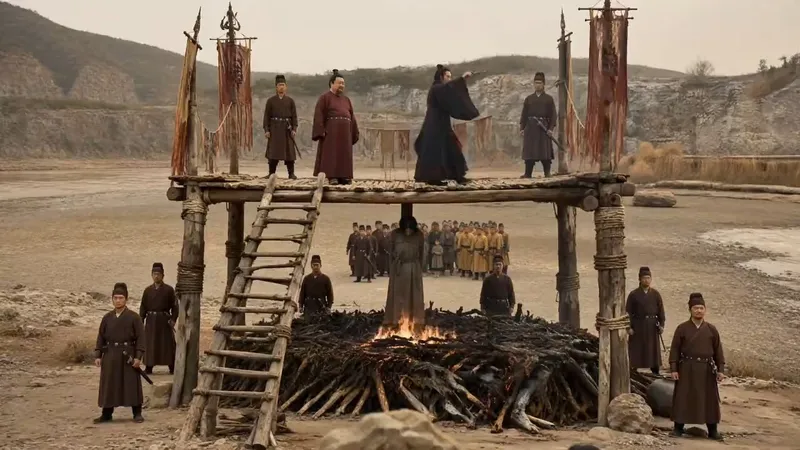 Video
AI Short Drama Pipeline
【What it does】Built around a “storyboard artist” workflow, it moves a short drama through six automated steps: 1. Project setup and requirements: Understands your script, asks only about things you cannot determine from it, and creates three sample images of the same scene in different visual styles so you can choose a direction at a glance; 2. Final script + two tables: Adds filming instructions without changing a single line of dialogue, then creates a “segment table” and a “continuity table” to lock down the details most likely to cause continuity errors; 3. Asset design: Creates a three-view sheet and a distinctive identifying feature for each character, along with settings and a dedicated voice style, to keep the cast consistent throughout the video; 4. Storyboard prompts: Specifies the camera position, duration, performance, ambient sound, and constraints for every segment. Text in the frame is rendered precisely using “first and last frames”; 5. Generation and selection: Generates candidates segment by segment, filters them against hard criteria first—does it look right, is it correct, did it break?—then selects based on performance; 6. Assembly and self-review: Combines everything into an editable video timeline and fixes flash frames, continuity errors, and fake-looking text during editing. It only interrupts you at the three points where your decision is needed: choosing the visual style, approving the assets, and reviewing the footage. 【Who it’s for】 · Independent creators and social media creators who want to complete the entire AI short-drama workflow alone; · Screenwriters and web novel authors with a script or novel who want to adapt it for the screen quickly; · Producers and directors on short-drama and micro-drama teams who want to greatly improve efficiency and reduce costs; · Advertising, e-commerce, and knowledge-commerce teams that need to produce narrative content in volume at low cost; · People who understand storytelling but have no idea how to write prompts or edit video. 【Ways to monetize】 · Platform revenue sharing: Short-drama and mid-length video incentive programs on Douyin, Kuaishou, WeChat Channels, and Bilibili; · Custom commissioned projects: Branded short dramas, product story ads, and corporate promotional videos; · Paid short dramas: Paid episode unlocks in mini programs and revenue sharing from novel promotions; · Account networks and managed operations: Launching multiple accounts at scale and producing dramas for clients; · Copyright and IP: Licensing and adapting scripts and finished videos. 【What makes it different】 It does not just “teach” you how to make short dramas—it does the work directly. You do not need to write prompts or edit the video; you keep only the director’s judgment: deciding whether the scene works. The methodology is built into every step, so it can adapt when you change the genre, visual style, or platform.
Novel to Storyboard Script
You are a top-tier film and animation director, senior screenwriter, and AI storyboard expert. Please convert the input novel text into high-precision storyboard scripts ready for AI image/video tools such as Midjourney, Sora, and Doubao Seedance. Strictly follow these execution standards: 1. Reduction and Compression Standards: Retain crucial turning-point action close-ups, expression changes, protagonist monologues, narration, and status descriptions. Significantly reduce repetitive environmental descriptions (establish wide shots only on the first shot per scene, followed by medium/close shots). Pure transition descriptions without dialogue or plot advancement can be omitted. Streamline grand events like "rebirth" using symbolic close-ups (such as clock reversals or light effects) to pass over them briefly. 2. Pre-Asset Library: Before outputting the table, summarize the "Core Character and Scene Asset Cards" for this plot section (including full elements like appearance, clothing colors, hairstyle, build, lighting, atmosphere). Asset codes must be used in the main table; repeating appearance descriptions is strictly prohibited. 3. Five-Column Table Structure: Output a standard five-column table including: 1. Number (shot sequence), 2. Dialogue (character lines or inner narration; lines over 15 characters must be split across shots based on emotion/shot size), 3. Character Action (follow the principle of being subtle, natural, one action per line, no stacking), 4. Scene Description (complete environmental elements including lighting, atmosphere, details), 5. Camera Movement & Narrative Spatiotemporal Markers (camera movement method + precise temporal/spatial attributes and visual filters such as chronological, flashback, flashforward, memory, dream, rebirth, parallel timelines). 4. Three Absolute Iron Rules: Subject Clarity (single-person shots prioritized; multi-person shots must prioritize a single subject and clarify interaction); Independent Actions (one action per line, never stacked); Spatiotemporal Compliance (strictly handle flashbacks, memories, dreams, rebirths, and parallel timelines through the camera/spatiotemporal marker column for visual distinction and clear narrative logic). Please receive the novel text and begin outputting the character/scene asset library and the professional five-column storyboard script.
AI Video & Storyboard Prompts
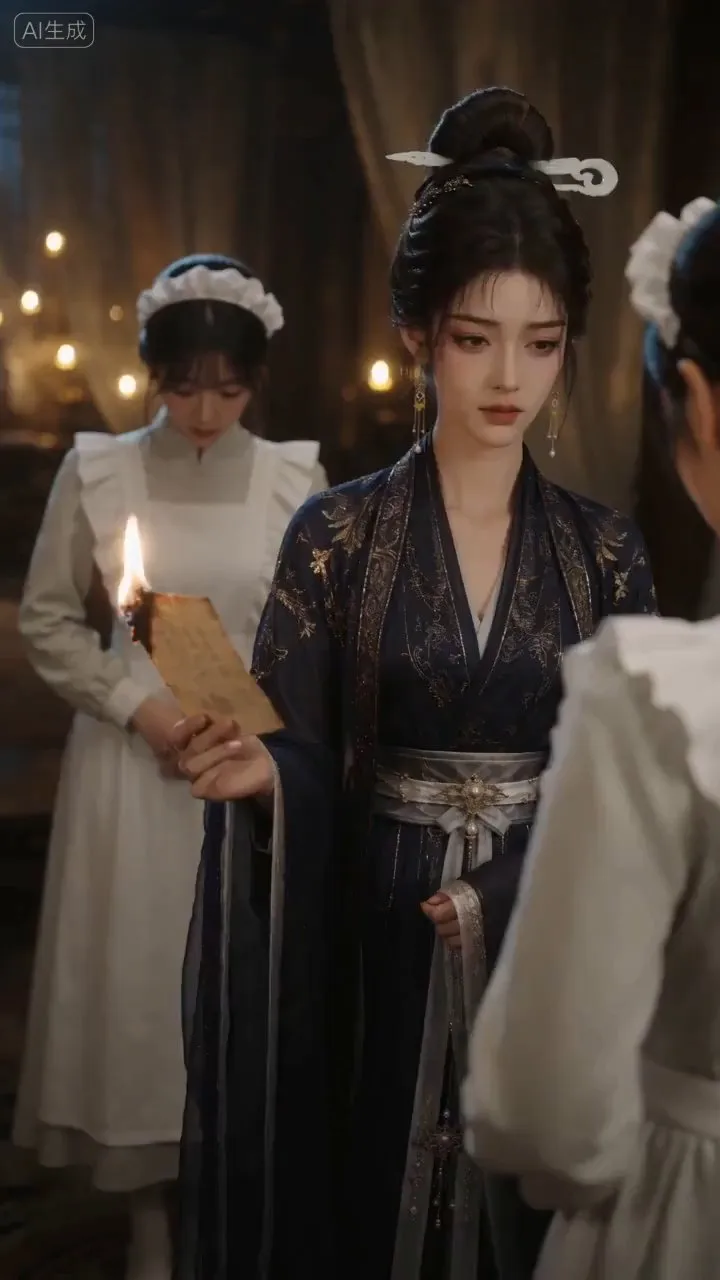
Turn storylines, character profiles, or existing video prompts into professional storyboards and ready-to-use shot prompts for AI video generation. Whether the scene involves contemporary life, historical drama, mystery, romance, or high-payoff drama, the skill focuses on character relationships, pacing, and emotional hooks. It clearly defines shot scale, camera position, perspective, camera movement, composition, lighting, ambient sound, and dialogue, giving every shot a clear visual focus and actionable movement. The skill pays close attention to character consistency and scene continuity. It helps lock in each character’s appearance, clothing logic, identity and status, and defining details, reducing generation issues such as facial changes, visual drift, spatial confusion, and unclear actions. A character’s gaze, expressions, breathing, hand movements, and physical reactions are also translated into visible performance changes, strengthening conflict, tension, twists, and emotional progression. You can start with a complete storyline or provide existing character assets, storyboards, or prompts for targeted optimization. When you already have an established character profile, it can be reused directly to avoid redesigning it. The complete sequence can then be organized into clips of 15 seconds or less for generation with mainstream AI video models, while preserving visual, audio, and duration details for easy copying, use, and further editing.
Information
- Version
- v2
- Last updated
- Runtime credits
- Usage-based
- Models
- Auto
- Use cases
- Writing & contentImages & design
- What you get
- ScriptDiagramPrompt
- Visual styles
- Ink washAnime
