Plain-Language Visual Guide
Make complex ideas easy to grasp visually
Plain-Language Visual Guide
Make complex ideas easy to grasp visually
Showcase
Description
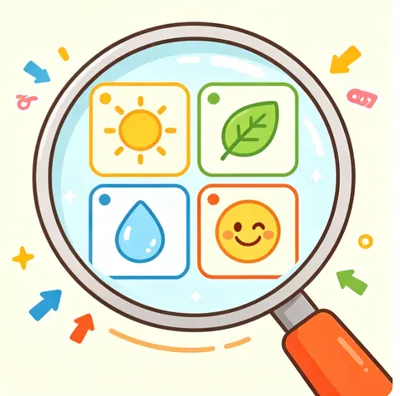
Break down the core principles of any complex topic into plain language that anyone can understand at a glance. Use only familiar, everyday things as analogies—no jargon, English abbreviations, or abstract concepts. The final output is a colorful visual explainer page centered on large graphics with very little text.
Related Skills
View all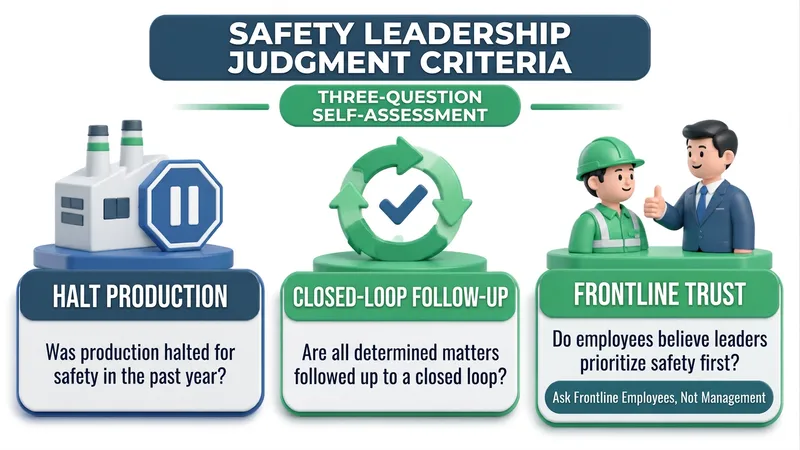
Text to Transparent 3D Diagram
Transform core logic from text into easy-to-understand, ready-to-use 3D diagrams with transparent backgrounds, perfect for presentations, courses, study notes, article illustrations, and technical explanations. Whether handling processes, classifications, hierarchies, comparisons, cycles, timelines, or abstract theories and management concepts, it selects the right 3D infographic or concept map based on the content rather than applying a single template. It distills key points, condenses complex content into concise node text, and presents it using flow arrows, module combinations, circular structures, pyramids, comparison panels, timelines, or subject models so that text relationships match the visual structure. It maintains consistent 3D lighting, materials, and spatial layers to ensure text is flat, front-facing, and clearly legible, while preserving original meanings without adding unverified facts or conclusions. Before generating, please provide a color scheme and aspect ratio (common landscape and square formats are supported). The final output is a transparent PNG, accompanied by notes on the graphic type, structure, actual colors used, retained text, and aspect ratio to help verify completeness. By default, no main title is added unless you explicitly provide one.
 Image
Stick Figure Explainer
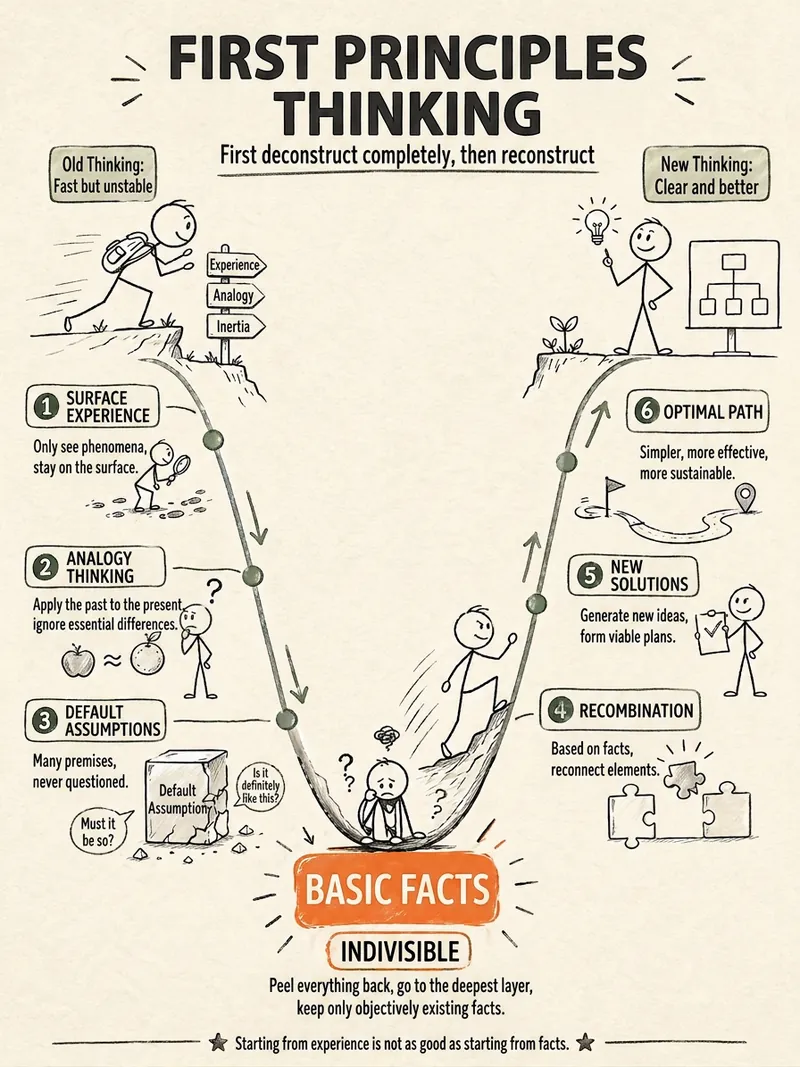
Turn complex concepts, abstract theories, lengthy processes, notes, business analyses, or growth stories into prompts for vertical knowledge cards, infographics, and hand-drawn explainers optimized for GPT-Image 2. Whether you’re organizing a process, comparing before and after, analyzing causes, categorizing knowledge, or telling a story of growth from a low point to a breakthrough, it distills the key takeaway and matches it with a suitable composition, visual metaphor, and reading flow—making the content easier to understand and remember at a glance. You’ll receive a Chinese card structure guide and visual system recommendations covering composition, hand-drawn style, color philosophy, and typographic character, along with a ready-to-copy English image-generation Prompt. The default canvas is a 3:4 vertical format, suitable for knowledge cards, Xiaohongshu cards, vertical infographics, and posters. Depending on the topic, stick figures, simplified characters, or icons can be used to show states, actions, and emotions, while keeping the number of information modules under control to avoid crowded visuals, text that is too small, or scattered emphasis. It’s ideal for quickly turning reading notes, frameworks, workplace skills, psychology and personal growth topics, business insights, product workflows, and complex concepts into clear, narrative-driven, actionable visual content.
 Image
Text-to-Illustration
Transform a single sentence, paragraph, or abstract concept into a semi-flat, semi-realistic illustration featuring clean outlines and soft volume, providing a polished and tactile visual expression for brand stories, product concepts, deep content, and emotional narratives. The artwork emphasizes modernity, storytelling, and generous whitespace, making abstract information more intuitive through contextual composition while avoiding overly complex photographic details or the thinness of pure flat design. You can provide text of any length and specify image ratios such as 16:9, 4:3, 1:1, or 3:2; if left unspecified, a ratio suited for horizontal content will be used. The generated artwork features a clean white background combined with simple geometric or organic forms, unified lighting and shadows, soft gradients, and restrained color palettes to highlight clear subjects and spatial depth, making it ideal for brand visuals, product explanations, concept presentations, article imagery, covers, or decorative content. You will receive a text-free, letter-free, and number-free illustration image, accompanied by a brief visual style strategy, an explanation of how the text elements were translated, and the image ratio used, helping you understand how the artwork responds to your original concept.
Information
- Version
- v4
- Last updated
- Runtime credits
- Usage-based
- Models
- Claude Sonnet 5
