Photo Composition Aesthetics
Photo Composition Aesthetics
Showcase
Description
Based on the classic theory of 'Photographic Composition', automatically transform your simple idea into a Nano Banana 2 image generation prompt with deep aesthetic value. Systematically apply seven composition principles—shape, line, texture, contrast, rhythm, space, and unity of form and content—to ensure the generated images achieve the visual quality of photographic masterpieces.
Recommended by
nene@YouMind
Why we love this skill
This skill integrates photography composition theory into AI painting, analyzing elements such as shape, line, texture to generate professional-level prompts, making your creative images more artistically aesthetic and visually impactful.
Related Skills
View all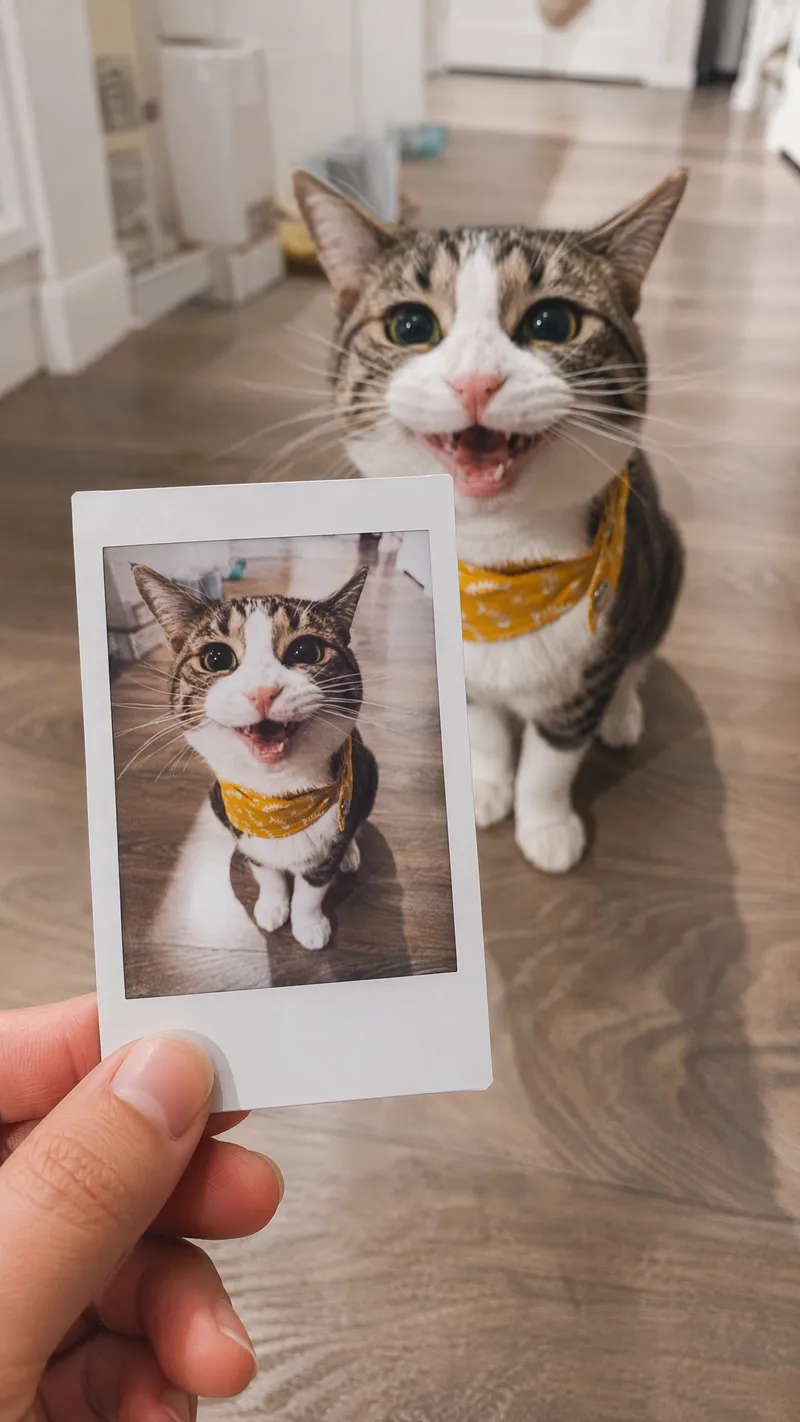 Image
ImageSame-Scene Instant Photo
Turn an image or natural-language scene description into a realistic, natural-looking handheld instant photo: a hand holds a physical white-bordered instant print in the foreground, while the real scene from the same place and moment appears in the background, creating a coherent picture-within-picture effect. Whether the subject is a landscape, urban architecture, person, animal, car, product, or everyday object, the image preserves its key appearance and places it in a plausible real-world setting—not simply pasted into a frame. The results emphasize authentic photographic qualities, including natural perspective, paper texture, contact shadows, hand details, moderate depth of field, and the casual feel of a phone snapshot. Mountains, buildings, people, animals, and other subjects in the instant photo correspond to the background, allowing viewers to directly compare the image inside the print with the real scene outside it. Unnatural elements such as floating cards, digital collages, design lines, and excess text are avoided. The composition automatically adapts to landscape, portrait, or square formats based on the original image or your specified aspect ratio, while keeping the instant photo in your hand aligned with the final image. You can also use natural language to adjust the photo’s position, tilt, size, background clarity, lighting, and overall style. It’s suitable for travel photography, life documentation, and scene images with a convincing realistic illusion.
 Image
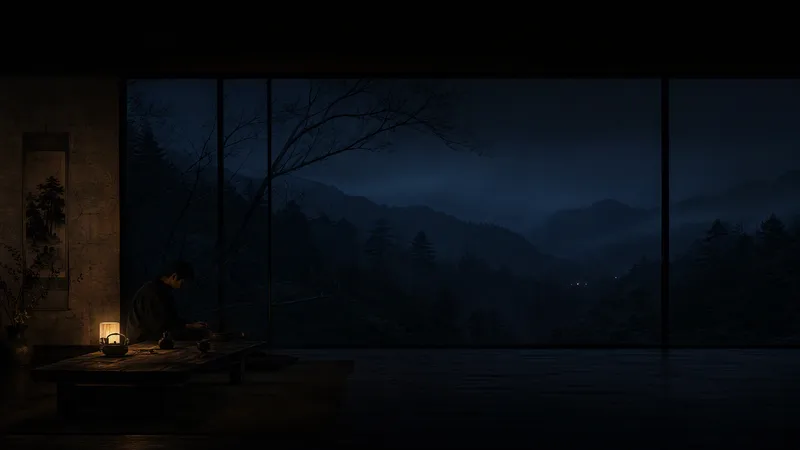
ImageMono no Aware, Wabi-Sabi & Yūgen
Turn themes, scenes, people, classical Chinese poetry, or photos into Japanese aesthetic images grounded in clear sources of thought and visual references—ideal for creators who need nuanced storytelling and art direction. The skill selects mono no aware, wabi-sabi, or yūgen as the primary direction based on the content: mono no aware expresses the beauty of what is fading, wabi-sabi reveals the marks left by materials and time, and yūgen creates understated depth through concealment, distance, negative space, and unseen areas. These aesthetics are combined only when the subject genuinely supports multiple aesthetic logics. You’ll receive a clear thematic assessment, primary aesthetic, relationship between combined styles, art-historical anchors, and core narrative. It then generates professional visual prompts covering the subject, setting, composition, spatial layers, materials, color, lighting, mood, and negative constraints—avoiding vague labels such as “Japanese,” “Zen-like,” or “sophisticated.” For portrait photos, it aims to preserve identity, facial structure, perceived age, body type, and key clothing features, transforming the aesthetic through environment, lighting, and narrative rather than automatically turning the person into someone wearing a kimono. After confirmation, the skill displays the complete prompt and generates an image, along with an aesthetic explanation to help you understand how the image expresses the beauty of transience, traces of time, or the unseen. It is suited to concept art, photography style transfer, classical Chinese poetry visualization, character-and-setting creation, spatial storytelling, and AI image generation with a Japanese aesthetic sensibility.
 Image
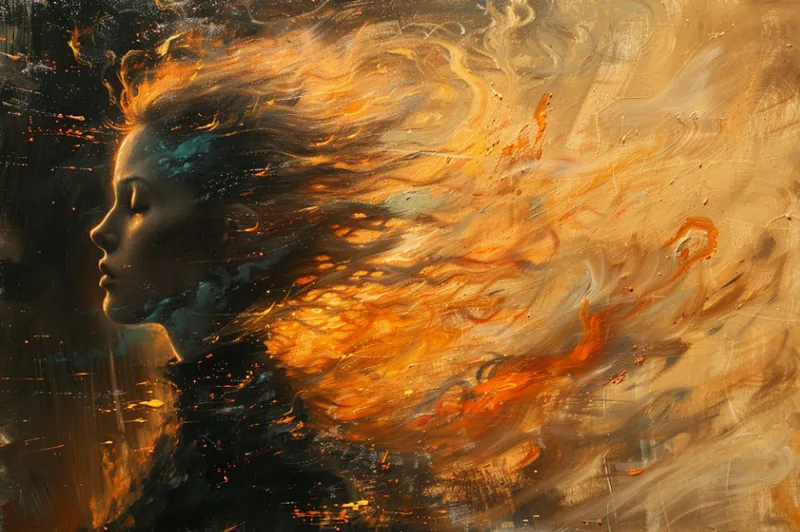
ImageSENSUS Daily Aesthetic Lesson
This skill is designed to combine user-provided images with an aesthetic principle, deeply analyze their visual composition, and transform that analysis into prompt templates and practice cases usable by AI image generation tools. It is suitable for designers, artists, content creators, and any user who wants to improve their visual literacy and master AI image generation techniques. With this skill, users can submit images and specify an aesthetic theme, or let the AI deduce one from the image content. The skill will perform a detailed analysis of the image from multiple dimensions such as composition, color, mood, and technique, centered around the chosen theme. Then, based on the analysis, it generates a set of AI prompt templates that include English and Chinese explanations and variable descriptions, helping users understand how to translate abstract aesthetic principles into concrete AI instructions. Additionally, the skill uses AI image generation to create new practice case images based on those templates, and provides a detailed review that highlights the accuracy and deviations of the AI execution, along with specific adjustment suggestions. Finally, all analysis and generated content is presented in a well-structured, professional "Aesthetic Deep Dive" document, helping users deepen their understanding of visual aesthetics and master practical methods for applying aesthetic concepts to AI creation.
Information
- Version
- v3
- Last updated
- Runtime credits
- Usage-based
- Models
- Auto