Totem | xiaoxiaodong P304
By xiaoxiaodong
Totem | xiaoxiaodong P304
By xiaoxiaodong
Showcase
Description
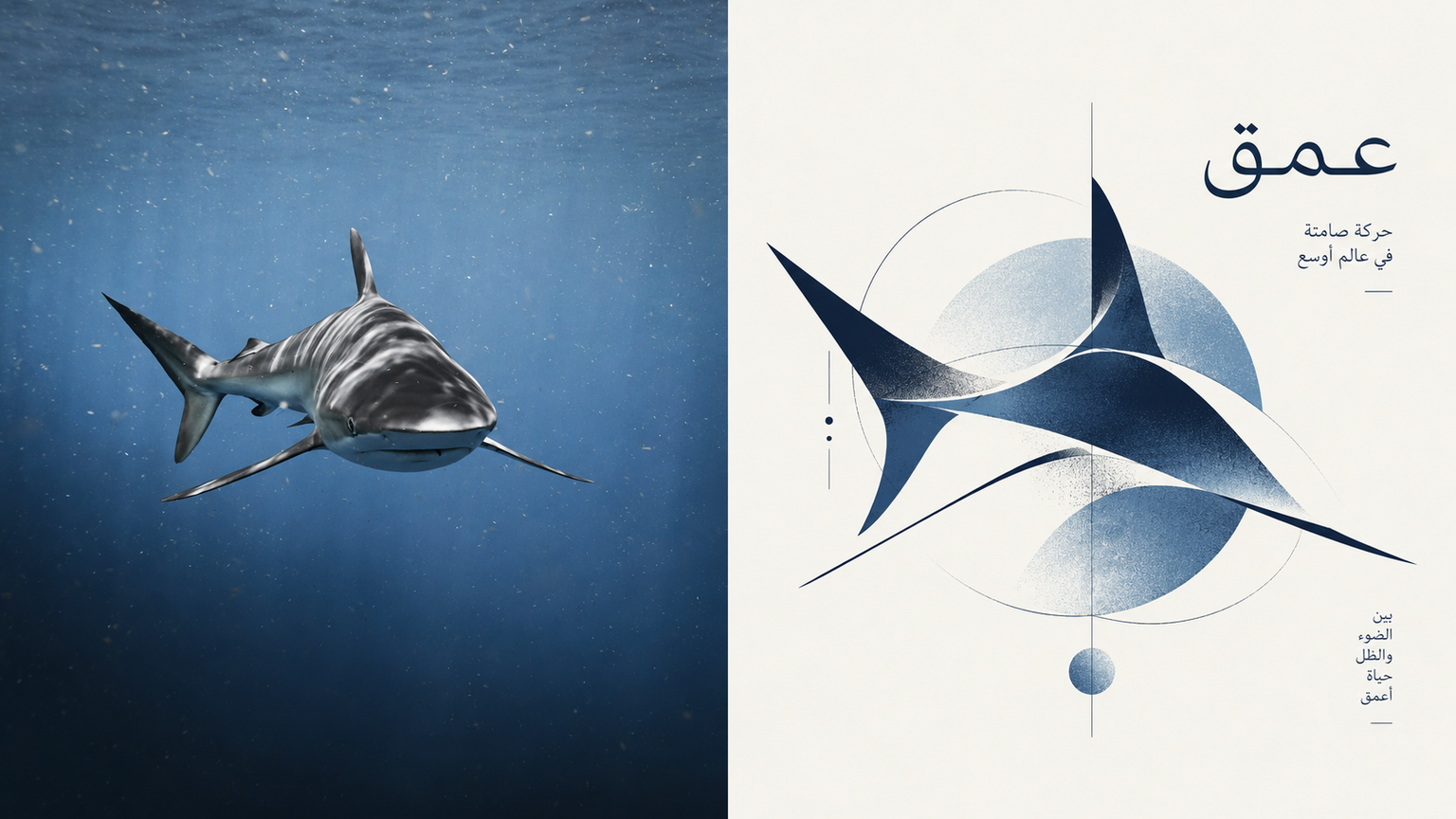
Turn an ordinary photo into a visual symbol for an art institution or high-end magazine. Compress the photo’s core spirit, subject features, and emotional tone into a standalone abstract logo / icon. Rather than explaining literally, it is built from a few organic forms, circles, rectangles, irregular color blocks, and a single gestural fine line. Organic and geometric forms, order and improvisation coexist, with partial occlusion, misalignment, and cuts allowed. The result may look spontaneous but remains highly controlled. Use one core symbol with precise proportions and generous negative space; set it against soft neutral tones with a single, highly recognizable accent color, such as deep blue, vermilion, forest green, warm orange, or soft pink. Avoid complete human portraits, realistic illustrations, complex scenes, bright childlike colors, technological gradients, and meaningless geometric collages.
Recommended by
Dancang
Why we love this skill
Turns photos into restrained, high-tension experimental identity totems through negative space, scarce color, geometric structure, and organic forms—avoiding literal illustration and cheap futurism.
Best for
Content creators, art projects, and editorial design work that need to turn photos into standalone visual symbols.
How to use this Skill
Provide your input
Provide one photo or image as a creative reference.
Run the Skill
Extract the subject’s key features and emotional tone into an abstract visual symbol, then develop its composition.
Review your result
Receive an artistic PNG image combining generous negative space with geometric and organic forms.
Related Skills
View all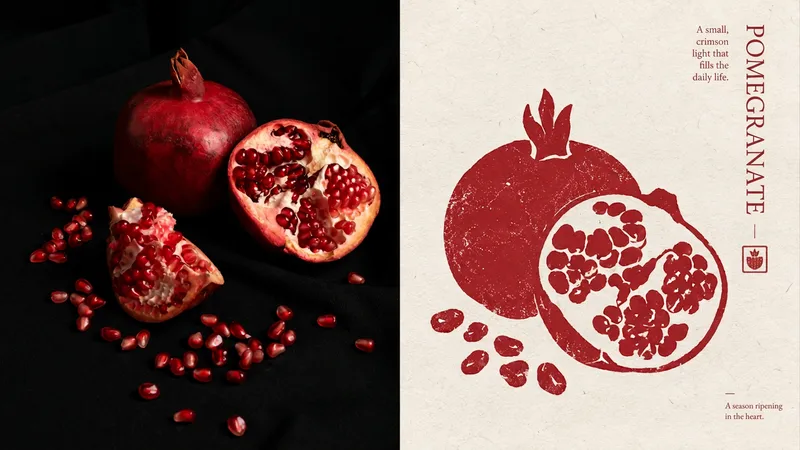 Image
Folk Art Logo | xiaoxiaodong
Ideal for turning an ordinary photo into a cultural graphic for an art institution or independent publication. The top half shows the original photo; the bottom half keeps only a single outline, pose, or structure where shape takes precedence over details, using a bold outer outline and a few flat color blocks. Paper-cut edges, silk-screen textures, and uneven ink are all retained, and proportions can be naive. The color palette consists of one primary color, one secondary color, and a few accent colors, such as pastel blue, botanical green, coral red, warm yellow, ivory white, and brick red. A single symbol, small, slightly off-center, or lightly cropped. Avoid complete stories, complex backgrounds, digital vectors, and multiple competing symbols.
Cultural Silhouette|xiaoxiaodong P278
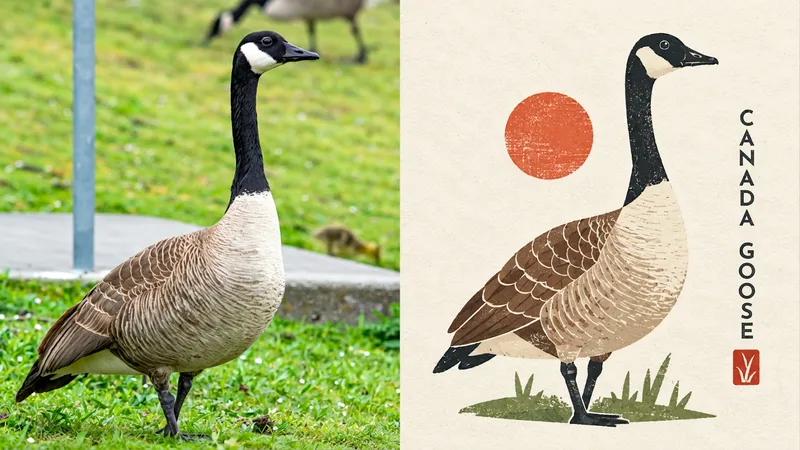
Turn an ordinary photo into a cultural emblem with a collectible feel. The upper half shows the original photo; the lower half compresses the subject into a memorable miniature identity system. Geometric simplification, paper-cut collage, flat color blocks, and symbolic forms create an abstract graphic reminiscent of a cultural institution mark, art badge, or design studio logo. The subject resembles a carefully designed miniature cultural seal, centered or slightly offset with clean space around it. Large areas of solid color, clear contours, and a few internal structure lines preserve a simulated print texture inspired by screen printing, Riso overprint misalignment, and uneven ink coverage. The palette uses warm ivory and beige paper as the background, with forest green, cobalt blue, soft yellow, and coral red shaping the subject. Avoid complex scenes, cartoon characters, commercial logo templates, and sleek corporate vector styling.
 Image
Geometric Composition | xiaoxiaodong P322
Turn an ordinary photo into a small graphic for an arts organization, cultural brand, or travel keepsake. The top half shows the original photo; the bottom half reorganizes the subject with circles, rectangles, arcs, and triangles—first forming a balanced composition, then allowing viewers to recognize the original object. You can add a ring, a horizontal line, or a structural axis to aid recognition. Extract a limited palette from the original image: clear blue, cream white, warm yellow, coral orange, soft green, peach pink, and dark brown. Build a system with a primary color, supporting colors, and accents. Keep the mark small and the negative space generous. Avoid details, complete scenes, too many supporting shapes, and generic app icons.
Information
- Version
- v3
- Last updated
- Runtime credits
- Usage-based
- Models
- Auto
- Use cases
- Images & design
- What you get
- Image
- Visual styles
- MinimalistEditorialFlat
