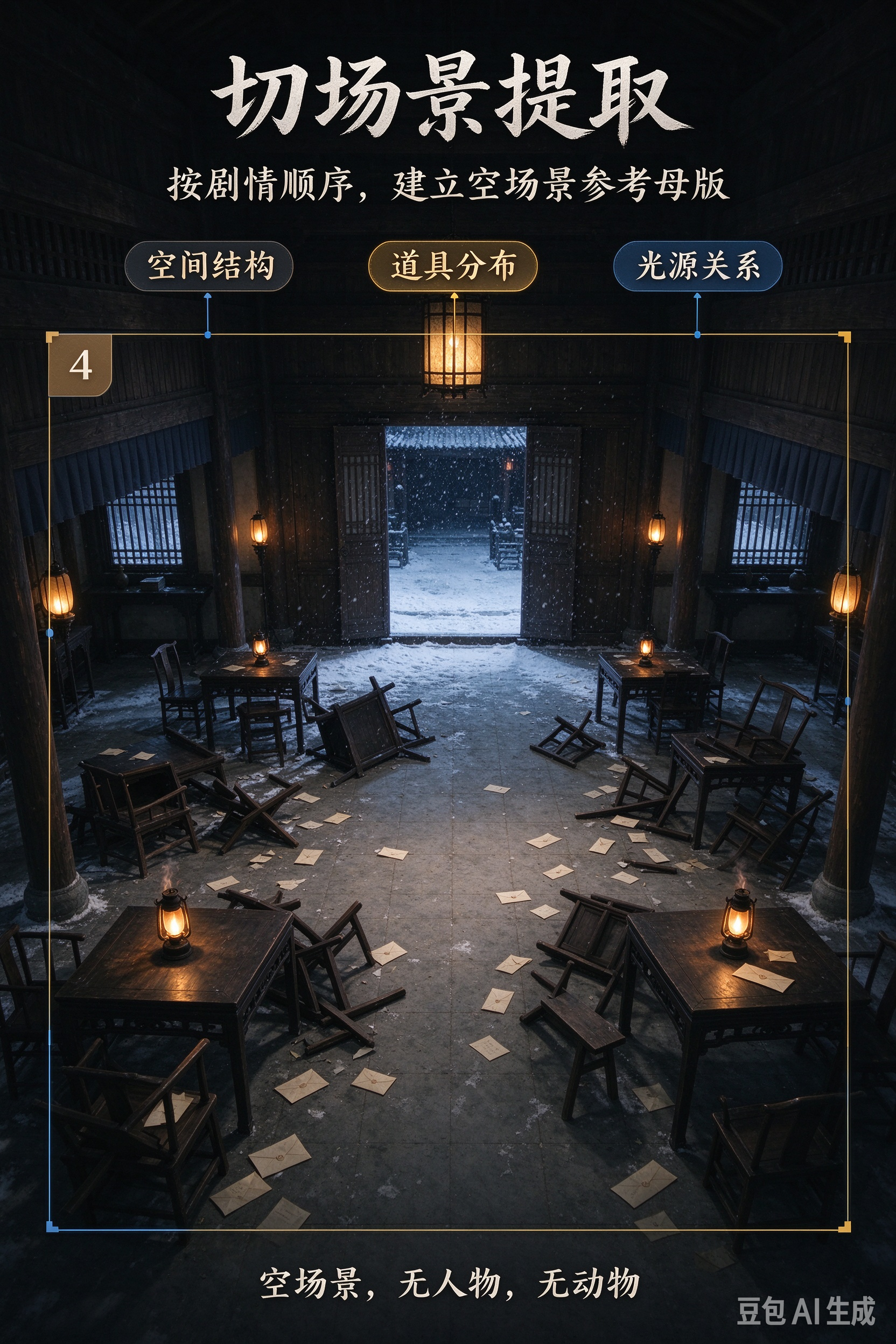
Novel Scene Image Prompts
Extract scene cuts for AI comics into prompts
Novel Scene Image Prompts
Extract scene cuts for AI comics into prompts
Showcase
Description
Extract actual scene cuts one by one from novels, scripts, text storyboards, or plot outlines, transforming them into Chinese empty-scene reference prompts ready for AI image generation. Whether dealing with changes in location, time, weather, or the reappearance of the same location in different plot segments, scenes are independently organized in story order to prevent omissions or mismergers, establishing a stable spatial reference for subsequent comic storyboards. Each scene undergoes specific art design tailored to its narrative function, detailing spatial structure, entrances and exits, movement paths, foreground-midground-background layers, key props, visual focus, lighting relationships, materials, colors, and narrative traces, while classifying them as indoor, outdoor, vehicle, or special spaces. Even with limited source text, necessary visual scene information is supplemented. The final output includes a scene overview, overall visual tone, individual scene designs, Chinese image generation prompts, and Chinese negative prompts. Prompts emphasize cinematic high-angle oblique shots, high-angle wide-angle panoramas, 18mm-24mm lenses, deep depth of field, and complete spatial layouts, strictly maintaining empty scenes without characters or animals, making them ideal for cinematic establishing reference images rather than character storyboards, architectural floor plans, or ordinary interior renderings.
Best for
Writers, directors, and creators preparing consistent scene references for AI comic videos, animations, or storyboards.
How to use this Skill
Provide your input
Provide a novel, script, text storyboard, or plot outline containing narrative segments that need to be converted into spatial references.
Run the Skill
The tool identifies changes in location, time, weather, and spatial state in story order, designing each scene separately without merging recurring ones.
Review your result
Receive a scene overview, overall visual tone, design notes for each scene, Chinese image generation prompts, and Chinese negative prompts.
Related Skills
View all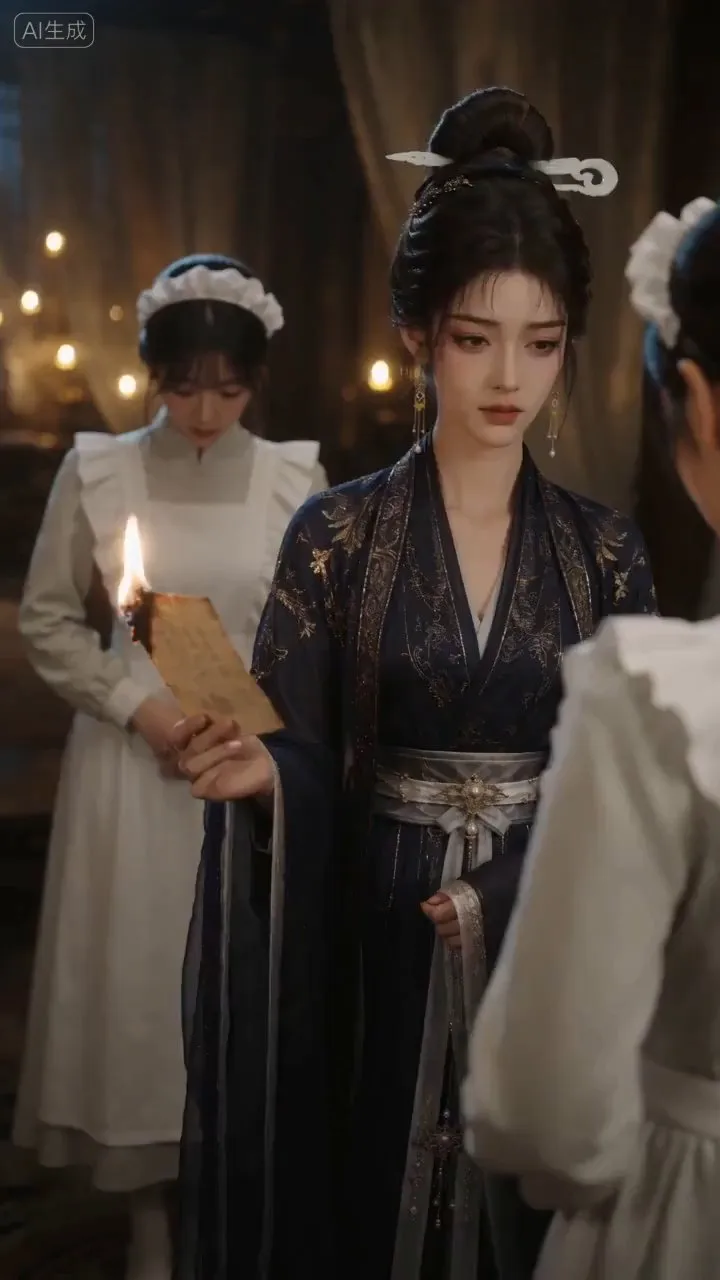
AI Video & Storyboard Prompts
Turn storylines, character profiles, or existing video prompts into professional storyboards and ready-to-use shot prompts for AI video generation. Whether the scene involves contemporary life, historical drama, mystery, romance, or high-payoff drama, the skill focuses on character relationships, pacing, and emotional hooks. It clearly defines shot scale, camera position, perspective, camera movement, composition, lighting, ambient sound, and dialogue, giving every shot a clear visual focus and actionable movement. The skill pays close attention to character consistency and scene continuity. It helps lock in each character’s appearance, clothing logic, identity and status, and defining details, reducing generation issues such as facial changes, visual drift, spatial confusion, and unclear actions. A character’s gaze, expressions, breathing, hand movements, and physical reactions are also translated into visible performance changes, strengthening conflict, tension, twists, and emotional progression. You can start with a complete storyline or provide existing character assets, storyboards, or prompts for targeted optimization. When you already have an established character profile, it can be reused directly to avoid redesigning it. The complete sequence can then be organized into clips of 15 seconds or less for generation with mainstream AI video models, while preserving visual, audio, and duration details for easy copying, use, and further editing.
Novel to Storyboard Script
You are a top-tier film and animation director, senior screenwriter, and AI storyboard expert. Please convert the input novel text into high-precision storyboard scripts ready for AI image/video tools such as Midjourney, Sora, and Doubao Seedance. Strictly follow these execution standards: 1. Reduction and Compression Standards: Retain crucial turning-point action close-ups, expression changes, protagonist monologues, narration, and status descriptions. Significantly reduce repetitive environmental descriptions (establish wide shots only on the first shot per scene, followed by medium/close shots). Pure transition descriptions without dialogue or plot advancement can be omitted. Streamline grand events like "rebirth" using symbolic close-ups (such as clock reversals or light effects) to pass over them briefly. 2. Pre-Asset Library: Before outputting the table, summarize the "Core Character and Scene Asset Cards" for this plot section (including full elements like appearance, clothing colors, hairstyle, build, lighting, atmosphere). Asset codes must be used in the main table; repeating appearance descriptions is strictly prohibited. 3. Five-Column Table Structure: Output a standard five-column table including: 1. Number (shot sequence), 2. Dialogue (character lines or inner narration; lines over 15 characters must be split across shots based on emotion/shot size), 3. Character Action (follow the principle of being subtle, natural, one action per line, no stacking), 4. Scene Description (complete environmental elements including lighting, atmosphere, details), 5. Camera Movement & Narrative Spatiotemporal Markers (camera movement method + precise temporal/spatial attributes and visual filters such as chronological, flashback, flashforward, memory, dream, rebirth, parallel timelines). 4. Three Absolute Iron Rules: Subject Clarity (single-person shots prioritized; multi-person shots must prioritize a single subject and clarify interaction); Independent Actions (one action per line, never stacked); Spatiotemporal Compliance (strictly handle flashbacks, memories, dreams, rebirths, and parallel timelines through the camera/spatiotemporal marker column for visual distinction and clear narrative logic). Please receive the novel text and begin outputting the character/scene asset library and the professional five-column storyboard script.
 Image
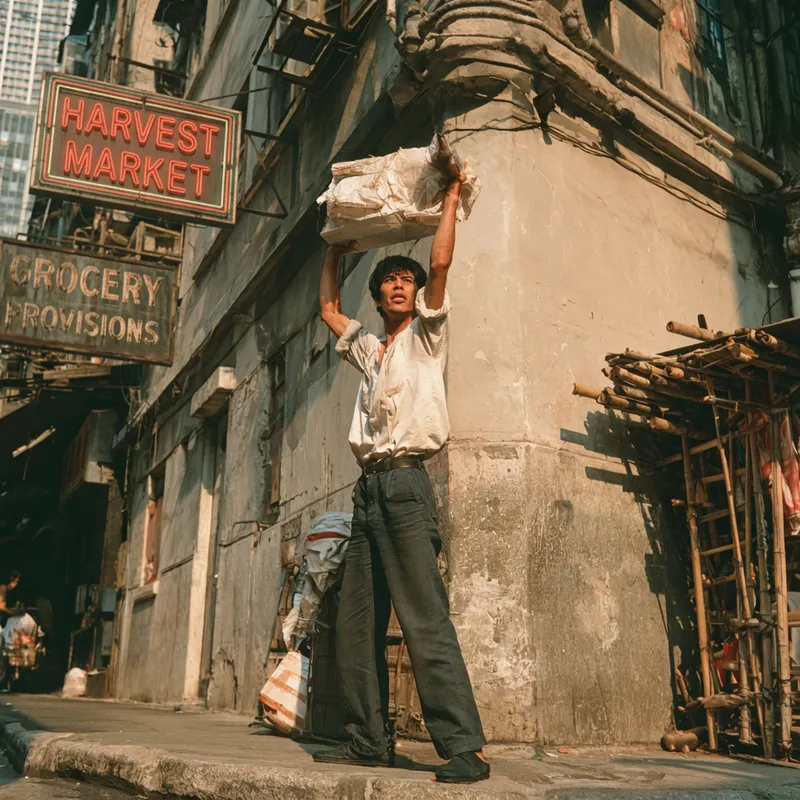
Stephen Chow Street Comedy
Turn a visual concept or a reference image with clearly defined character roles into live-action comic-comedy still-image prompts for Chinese ImageGen and English Midjourney. It focuses on bright, realistic everyday street spaces, using clear medium-wide or full-body compositions so character actions, points of contact with the ground, prop relationships, and group reactions are easy to understand. It is suited to everyday contrasts and exaggerated yet believable physical performances, especially the street-level live-action comedy atmosphere of *Kung Fu*, rather than 2D cartoons, actor imitation, or bizarre body transformations. Based on your subjects, number of people, actions, reference characters, and aspect-ratio requirements, the prompts preserve ordinary buildings, old walls, wooden objects, and restrained yet lively everyday colors. Repeated poses, spacing between groups, and subtle changes in perspective and scale add comic rhythm. Interactions such as holding, leaning, and watching are kept with clear force relationships and solid physical structure wherever possible, avoiding collaged figures, intersecting props, and distorted perspective. Whether you need a single concept image, a continuous sequence, or character and composition transfer from a reference image, you can get platform-specific prompts ready to copy and use. Simply specify the target platform to generate the corresponding version.
Information
- Version
- v2
- Last updated
- Runtime credits
- Usage-based
- Models
- Auto
- Use cases
- Writing & contentImages & design
- What you get
- DocumentPrompt
