Discussion: Meaning & Future
Draft and refine your paper's discussion
Discussion: Meaning & Future
Draft and refine your paper's discussion
Showcase
Description
Build a clear, ready-to-use discussion section based on your research questions, results, and evidence. It highlights research significance, explains findings, outlines limitations, and suggests well-founded future directions. Ideal for drafting, rewriting, polishing, and reviewing discussion chapters in theses, journal articles, and research papers. You can provide your research abstract, methods, results, existing drafts, or fragmented notes to receive a tailored structural plan and academic phrasing. It helps distinguish facts, opinions, speculations, and citations to reduce repetition, vague statements, and overstatements while keeping conclusions consistent with your evidence. For existing text, it also reviews argumentative logic, paragraph transitions, language style, factual basis, and academic compliance risks, while outlining key revision directions. When information is incomplete, it highlights necessary assumptions and missing details to help you improve your discussion rather than fabricating data, citations, or conclusions.
Related Skills
View all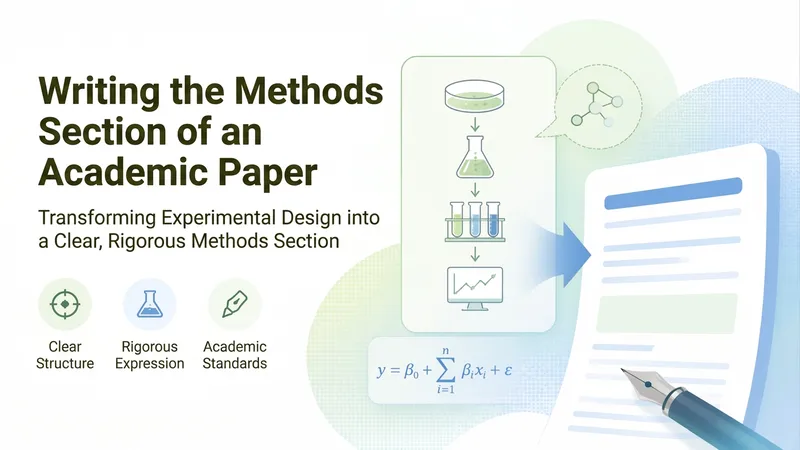
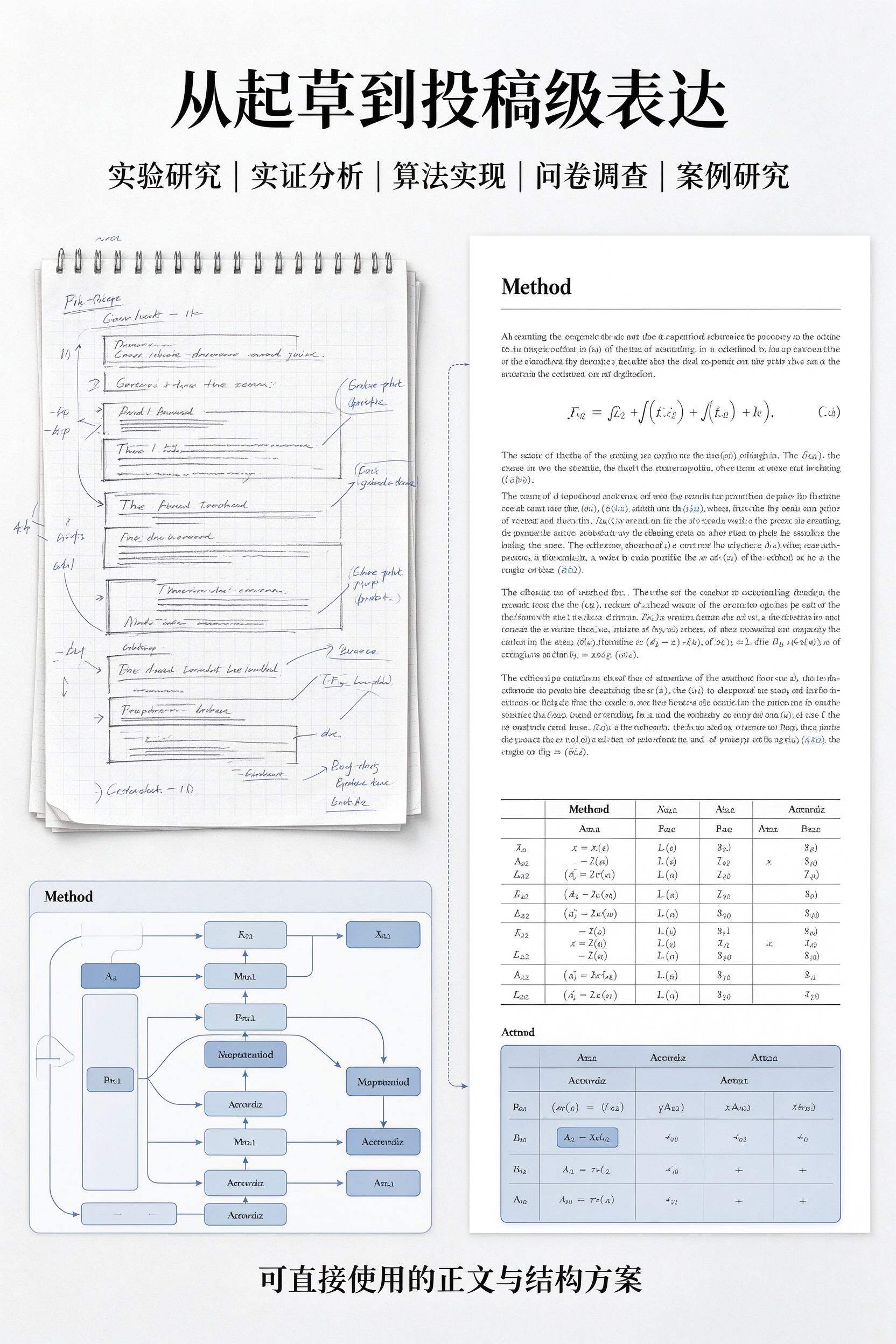
Academic Methodology Writer
Helps you clearly and rigorously write and refine the methodology section of your academic papers, suitable for experimental research, empirical analysis, algorithm implementation, questionnaire surveys, case studies, and more. Whether drafting from scratch, rewriting based on research materials, or polishing existing text for academic tone, it covers research design, data sources, experimental procedures, variable definitions, model formulas, parameter settings, and implementation details to enhance the reproducibility and logical coherence of your methods. You will receive a structural plan tailored to your research objectives and target audience, along with ready-to-use text that can be generated in more concise, formal, or conservative versions as needed. For existing manuscripts, it helps identify missing steps, confused concepts, logical gaps, vague expressions, redundancy, and insufficient factual backing, while distinguishing between facts, speculations, and citations to avoid fabricating data or literature. Suitable for drafting first drafts, pre-submission revisions, peer-review responses, and organizing research proposals. When information is incomplete, it clarifies necessary assumptions and provides suggestions for supplemental materials, revision priorities, and quality checks. It also highlights matters requiring further confirmation by professionals when dealing with academic compliance or other high-risk content.
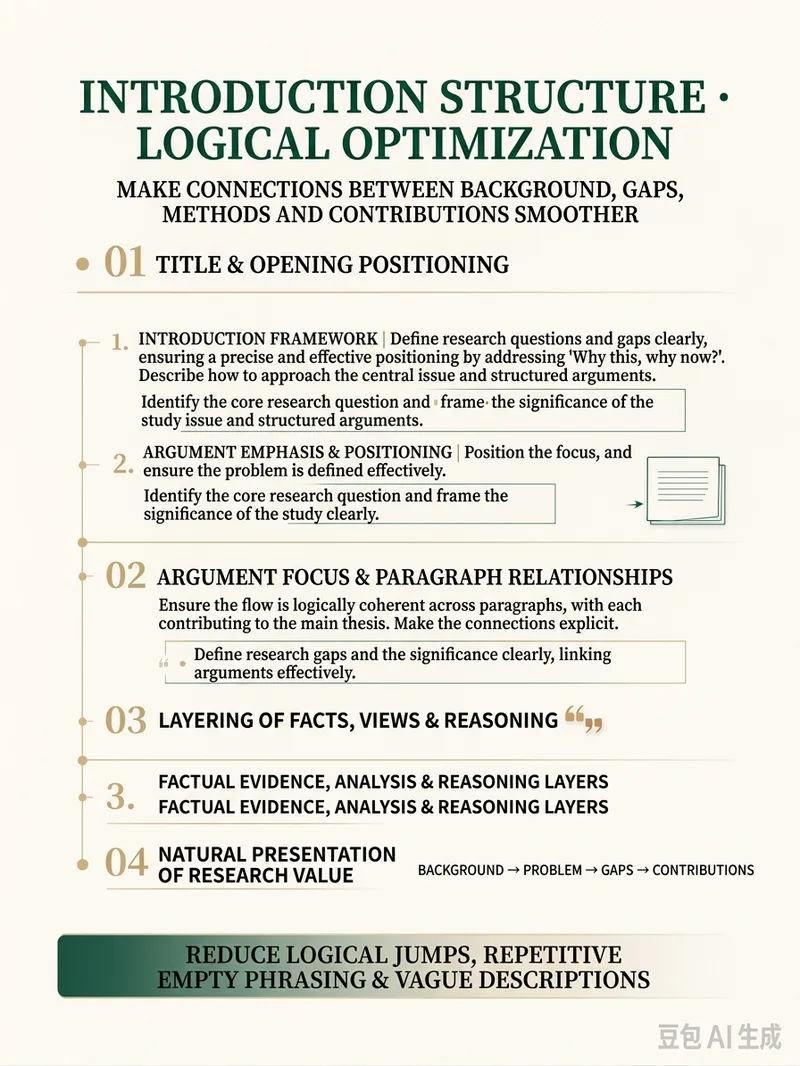
Academic Paper Introduction
Helps you write logically clear, academically appropriate paper introductions centered on research background, core questions, literature gaps, and contributions. Whether drafting from scratch, rewriting, or addressing reviewer comments, it first organizes your research goals, target audience, source material, length, and tone before generating a tailored introduction plan. You will receive a clear heading or paragraph structure, ready-to-use introduction drafts, and reliable alternative academic phrasing. For existing text, it reviews logical transitions, eliminates filler words, distinguishes facts from speculation, checks citation backing, and highlights research value with explanations for key changes. Suitable for writing and revising introductions in academic papers, research reports, and funding proposals. It clarifies assumptions when information is insufficient and handles high-risk topics like data, citations, medical, legal, or professional content strictly using reliable materials without fabricating facts, faking citations, or guaranteeing review approval.
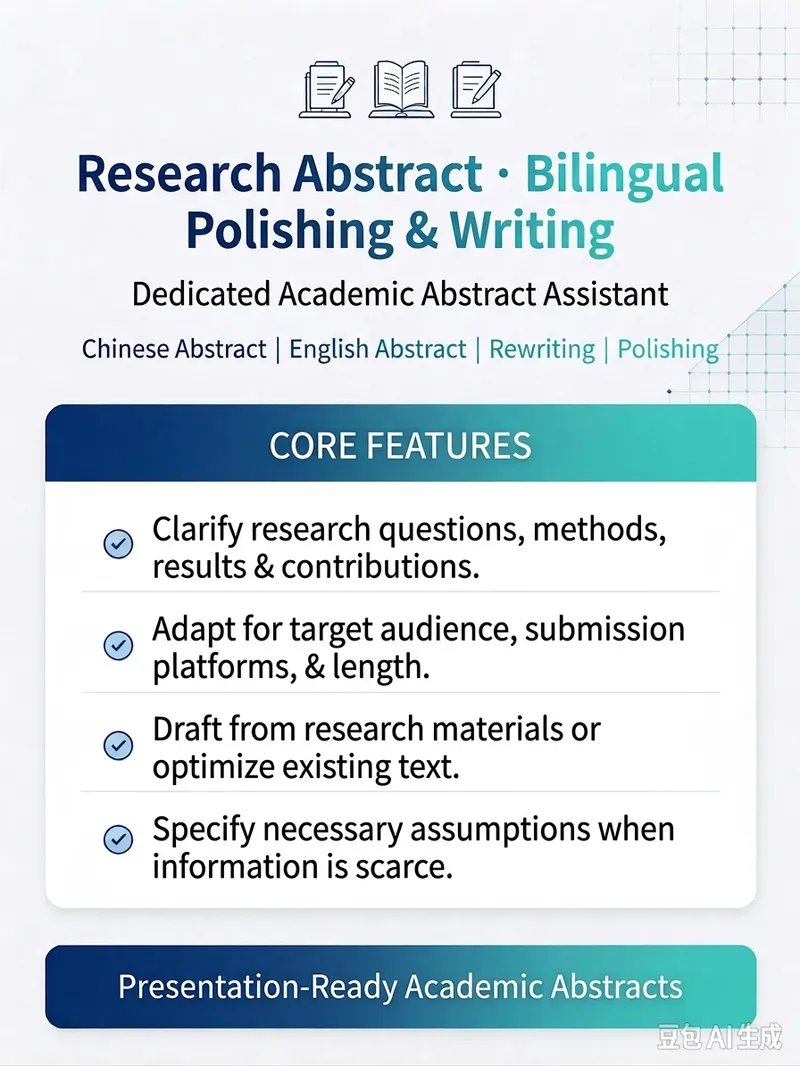
Bilingual Paper Abstract Writer
Designed for paper abstracts and academic writing scenarios, this helps you write, rewrite, and polish Chinese or English abstracts, making research questions, methods, results, and contributions clearer, more accurate, and aligned with academic contexts. Whether drafting from research materials or optimizing existing text, it adapts to your target audience, submission platform, length, and language style to produce ready-to-use versions, clearly stating necessary assumptions when information is insufficient. Beyond bilingual abstracts, it supports structured writing for introductions, literature reviews, methodology, results, discussion, and grant proposals. When handling complex or lengthy materials, it first outlines headings, core arguments, and paragraph relationships before drafting the main text, reducing logical leaps, redundancy, and empty clichés. During revisions, it explains key adjustment directions to help you continue refining your work. Outputs focus not only on language fluency but also on verifying factual basis, citation and copyright risks, academic expression, sensitive phrasing, and compliance boundaries, while distinguishing facts, opinions, speculations, and citations. For legal, medical, financial, or other high-risk research, it serves as a writing draft and review checklist to help you spot issues before submission, publication, or further revision.
Information
- Version
- v4
- Last updated
- Runtime credits
- Usage-based
- Models
- Auto
