xiaoxiaodong P101 | Memory Grid
By xiaoxiaodong
xiaoxiaodong P101 | Memory Grid
By xiaoxiaodong
Showcase
Description
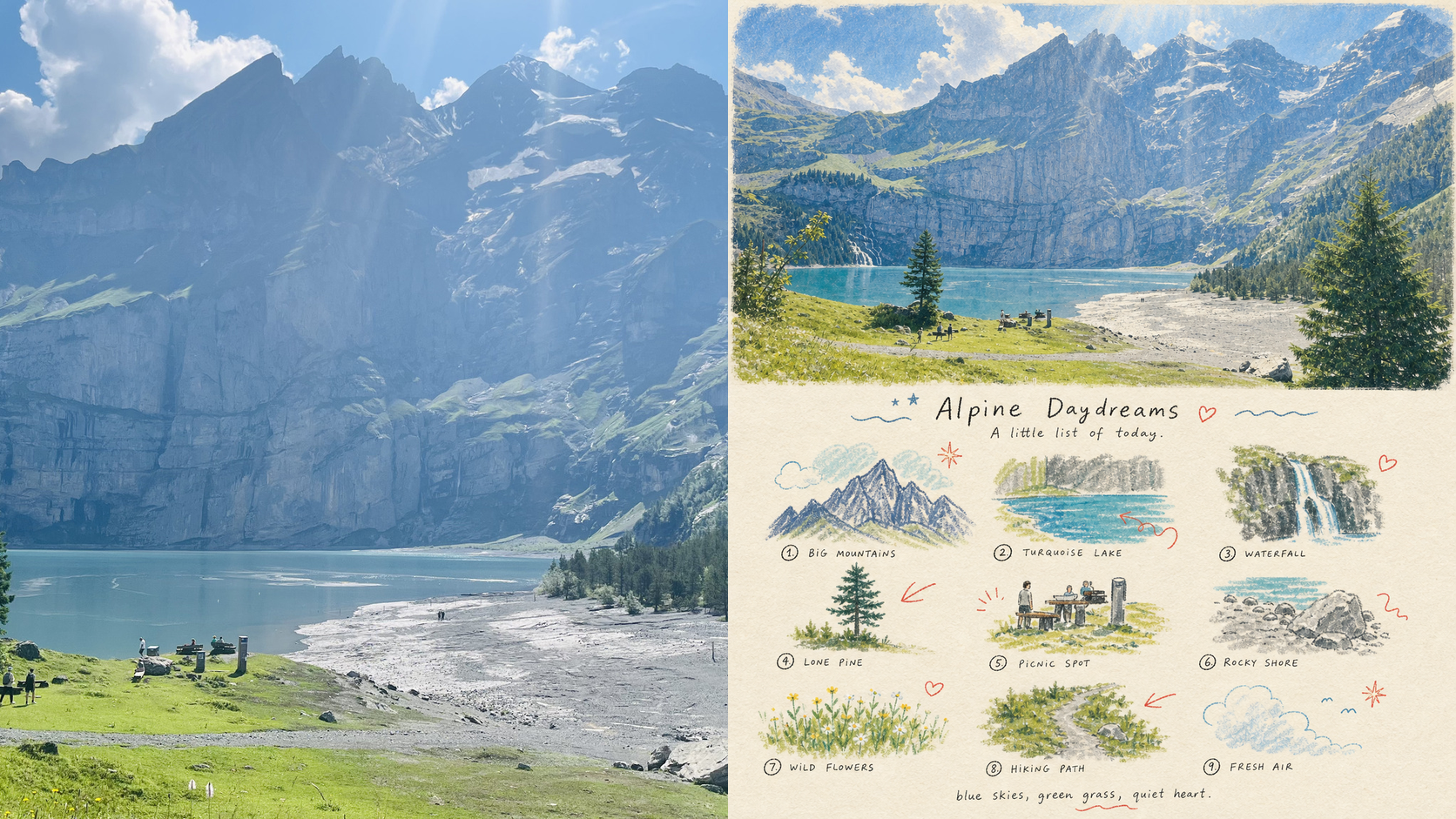
Panel 101 is for people who want to preserve the mood, objects, and small details in a photo without creating an ordinary realistic reproduction. It distills the same scene into nine memory units arranged in a loose nine-grid layout, using childlike hand-drawn doodles, crayon, and colored-pencil textures to create a personal visual memory book page. Suitable for these situations A photo contains too many details worth remembering: Organize the subject, actions, personal objects, and emotional symbols into nine related memory units. A standard photo reproduction feels impersonal: Use slightly wobbly hand-drawn lines, crayon, and colored-pencil textures to make the image feel like a page from a real personal journal. The grid tends to look too orderly or too cluttered: Use an underlying 3×3 structure to control the layout while allowing icons to shift slightly, preserving a relaxed sense of space and rhythm. Flexible delivery is needed: Supports vertical, horizontal, design-only, multiple aspect ratios, and four-sided wallpapers, as well as batch processing for image directories. Quick start Send an image to the Agent and say: Use XXD Panel 101 to process this image. First recommend the most suitable composition and dimensions.
Recommended by
Shuting@YouMind
Why we love this skill
A rigorous multi-mode workflow for turning nine-grid memory visuals into reliable, ready-to-deliver image outputs.
Related Skills
View all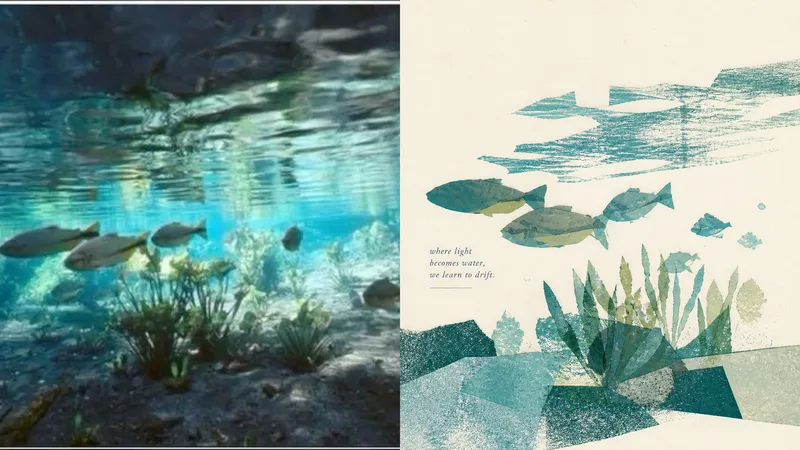 Image
Imagexiaoxiaodong P105 | Poetic
Some photos are truly moving not because they reveal every detail, but because of a gesture, a relationship, or a moment meant to stay in memory. Panel 105 is designed to turn photos like these into quiet, refined visual excerpts: it first determines what is most worth keeping, then reconstructs the image with paper pieces, color blocks, negative space, and print textures instead of mechanically tracing the original into an illustration. Best for these situations Your photo contains too much information, but you only want to preserve the emotion: Select one central subject and only a few essential supporting elements from a complex scene. You want a breathable poster or cover: Use a single visual focus and generous paper white to create rhythm between the subject, text, and negative space. You prefer real paper over a smooth digital look: Keep collage edges, grain, uneven ink, dry-brush marks, imperfect ink coverage, and subtle color-registration shifts. You need flexible delivery in one consistent style: Support top-and-bottom comparisons, side-by-side comparisons, pure design, multiple aspect ratios, four-edge wallpapers, and batch processing for image catalogs. What it solves for you No more filling the frame with cluttered backgrounds, repeated objects, and details with no narrative value. You do not have to decide which elements to keep or remove; the model makes an aesthetic selection based on the photo’s beauty and recognizability. Colors are not sampled evenly. Instead, the most memorable color relationships are preserved and refined into a soft, clear, harmonious limited palette. Get started quickly Use XXD Panel 105 to process this image, and first recommend the most suitable composition and size.
 Image
Imagexiaoxiaodong P106: Soft Pixel
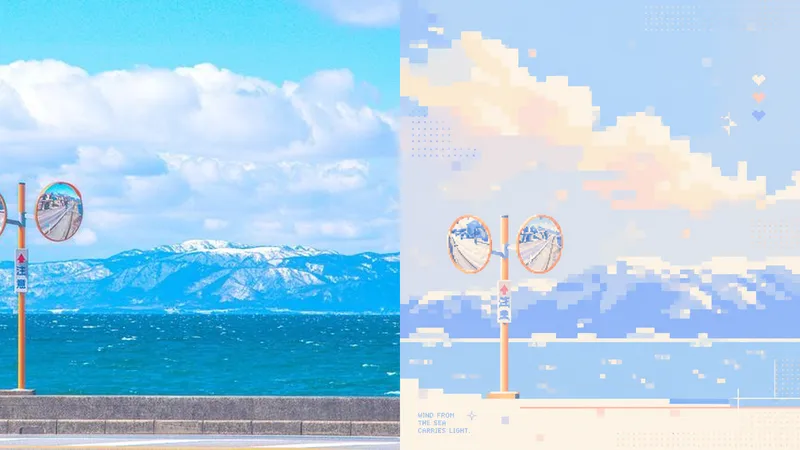
Photos often contain too many details, yet what stays memorable may be just a silhouette, a gesture, a sense of distance, or a patch of color. Panel 106 selects 2–4 visual anchors that define the subject’s identity from the original image, then reconstructs them as a soft, clear pixel memory with geometric order: from a distance, it looks like a refined abstract composition; up close, you can still tell that it is your photo. Works well when Your photo is complex, but you don’t want to lose its identity: Remove secondary objects and trivial structures, keeping only the silhouettes, poses, directions, and color relationships that truly define the image. You want an abstract poster without turning it into unrecognizable decoration: Use a regular grid, hard-edged color blocks, localized dithering, and positive and negative space to let the subject gradually emerge from the abstract order. You like a fresh, soothing look but dislike a cheap candy-like feel: Recompose a soft, bright limited palette from the original image, using colors such as creamy white, peach pink, milky blue, and mint green for a sweet but balanced result. You need flexible delivery in a consistent style: Supports top-and-bottom comparisons, side-by-side comparisons, pure designs, multiple aspect ratios, four-device wallpapers, and batch processing of image folders. What it solves for you It does not simply shrink the photo, apply a filter, or pixelate each object individually. Instead, it reorganizes the visual memory directly from the original image in a single pass. The 2–4 anchors work together to form one single-focus image, rather than being split into cards, grids, or a collage wall. Comparison mode always has exactly two 50:50 areas: top-and-bottom places the original image on top and the design below; side-by-side places the original on the left and the design on the right, with no extra third strip. Get started quickly Use XXD Panel 106 to process this image for me, starting by recommending the most suitable composition and size.
 Image
Imagexiaoxiaodong P107 Image Verse
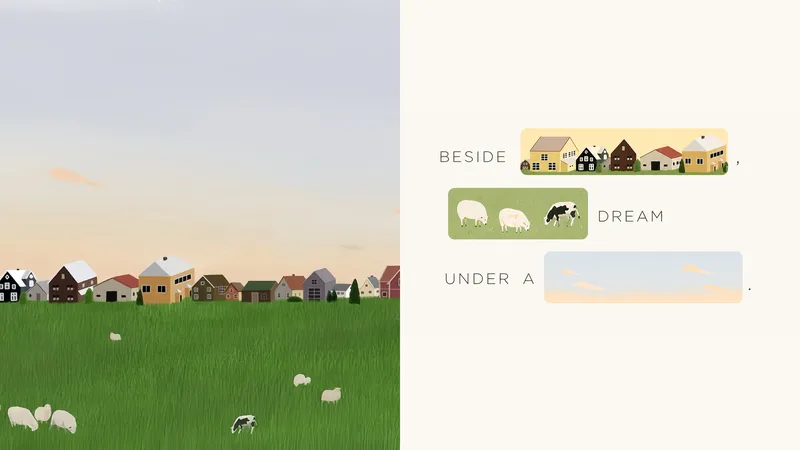
Some photos carry emotions that are difficult to express in a single caption—and those emotions should not be overshadowed by a few decorative images. Panel 107 places the original photo on one side and turns the other into a visual sentence that can genuinely be read: when the text mentions a flower, window, road, or action, that word is directly replaced by a hand-drawn image from the photo. Remove either the words or the images, and the sentence is incomplete. Best for these situations When one caption cannot express the feeling in a photo: Let the subjects, actions, and imagery from the original image truly enter the syntax and take the place of omitted words. When you do not want a “complete title plus a few small pictures” layout: The image must occupy the original position of the word, so readers complete the sentence by following the text and images together. When you want a light, fresh, yet sophisticated visual design: Organize visual poetry with bright, soft color blocks, modern hand-drawn editorial illustrations, and generous negative space. When you need flexible delivery in one consistent style: Support top-and-bottom comparisons, side-by-side comparisons, design-only layouts, multiple aspect ratios, four-sided wallpapers, and batch processing for image catalogs. What it solves for you Turns “the image is merely an illustration” into “the image is the word,” solving the problem of text and visuals telling separate stories. Automatically generates short phrases from a photo’s mood, actions, relationships, setting, or memories, then selects the words best suited for visualization. Uses a clear reading path to avoid sticker walls, card grids, and cluttered collages while preserving a light, elevated sense of space. Get started quickly Use XXD Panel 107 to process this image, and first recommend the most suitable composition and dimensions.
Information
- Version
- v3
- Last updated
- Runtime credits
- Usage-based
- Models
- Auto