
Explain This Concept
Explain This Concept
Showcase
Description
You give it a field, such as "Economics" or "Game Theory", and it will pick a graduate-level concept—not the most famous one, but the one that a story can make you feel the most deeply about. Then it writes a story for you. The people in the story are real, with desires, fears, and the capacity to make mistakes. No one in the story lectures about principles; the lessons are all hidden in the course of events. After you finish reading, it tells you: what that unease or absurdity you just felt is called in academic terms, why it happens, and what it has caused in the real world.
Related Skills
View all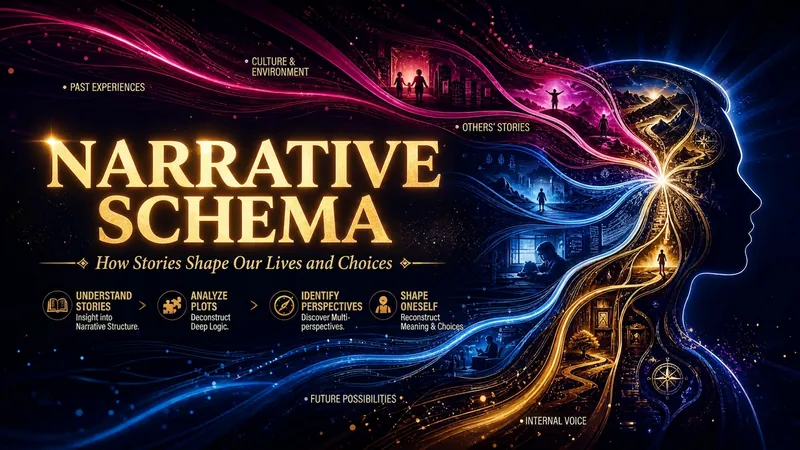
Life Narrative Profile
The way you tell your story reveals who you are. The way you repeatedly describe your life contains a kind of code for your destiny. Some people add a “but” after every good thing they share. Some turn every failure into a “growth story.” Some always cast themselves as victims, while others are always rescuing someone else. These patterns aren’t accidental—they are your narrative patterns, rooted in a deeper set of assumptions about the world. Send me something you’ve written—a diary entry, personal reflection, dialogue, or chat history. I’ll help you see three things: your narrative patterns (how you tell your story), your philosophical foundation (the beliefs behind that way of telling it), and the blind spots and exceptions you haven’t noticed yourself. This is not therapy or fortune-telling. It uses narrative psychology and philosophical analysis to dissect the way you tell stories, helping you see yourself and others more clearly.

Fable Story for Concepts
This skill aims to transform abstract concepts into engaging fables, helping users understand complex ideas indirectly and concretely. It is designed for educators, content creators, and anyone with a deep need for conceptual understanding who wish to explain concepts through innovative storytelling. The core capability of this skill is to create a concise short fable based on any concept provided by the user. The story does not directly mention the concept name or technical terms, but subtly implies the deeper meaning through plot, character interactions, and event progression. Users will experience how the story guides readers toward an understanding of the abstract concept through specific scenes and characters, rather than direct instruction. The entire process includes the creation of a fable, a detailed analysis of the concept, and the generation of two check questions. First, the skill generates a fable that adheres to strict narrative norms, ensuring its independence and artistry. Then, it precisely analyzes the correspondence between each element in the story and the original concept, clarifying how the story maps the structure and mechanism of the concept. Finally, the skill poses two specific questions: one to test the user's understanding of the concept's core, and another to encourage the user to transfer and apply the concept to other fields, thereby deepening and consolidating learning.
Daily Abstract Thinking
What does this Skill do? Every day, it introduces a real-world case: something that was once explored through experience and hands-on intuition, but was later distilled into a general method or standard (such as Braille or paper size standards). This process of turning specific experience into a general method is called abstraction. How can it help you? It builds one key ability: turning experience into methods. When you encounter a challenge, you can extract reusable patterns instead of starting from scratch every time. How do you use it? After installing it, just say "Give me one". Each day, it gives you a new case, along with an image and a reflection question that you can apply to your own work. Cases don’t repeat, and they come from a range of industries. Who is it for? Anyone who wants to turn experience into lasting knowledge instead of letting it become increasingly fragmented—useful for product work, investing, writing, management, and more.
Information
- Version
- v3
- Last updated
- Runtime credits
- Usage-based
- Models
- Auto