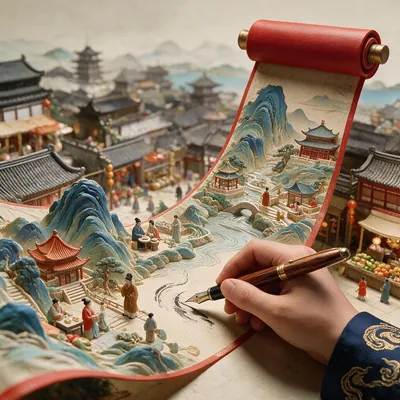
One-Pass Designer Graphics
Marketing graphics in 1 hour, not 5 days
One-Pass Designer Graphics
Marketing graphics in 1 hour, not 5 days
Showcase

演示-设计“解决问题”主题营销长图
封面-2.35:1横版头图(重做)
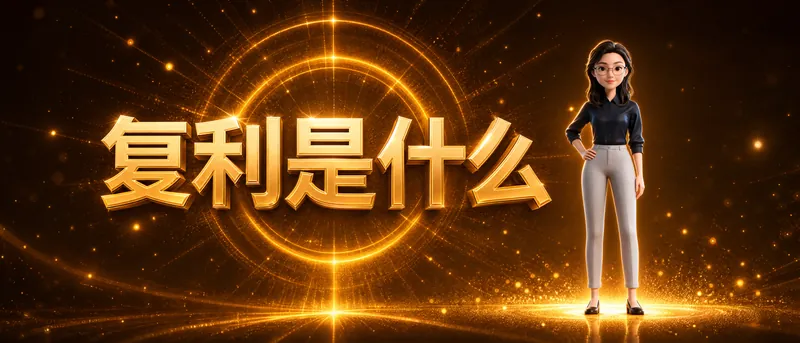
演示-生成复利主题营销长图
封面横版2.35:1-复利是什么
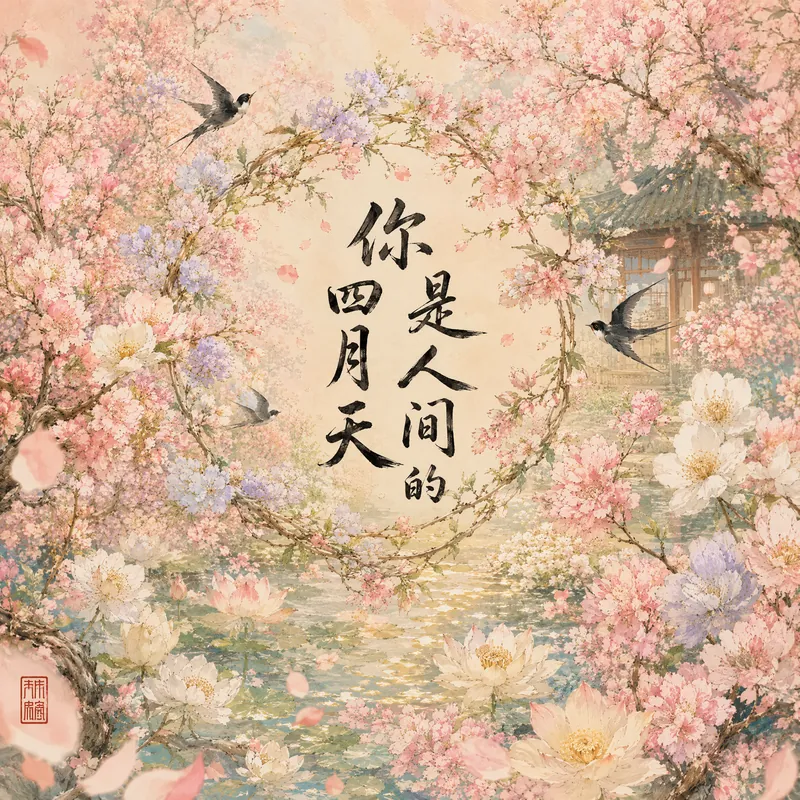
演示-生成《人间的四月天》营销长图
封面方版-你是人间的四月天
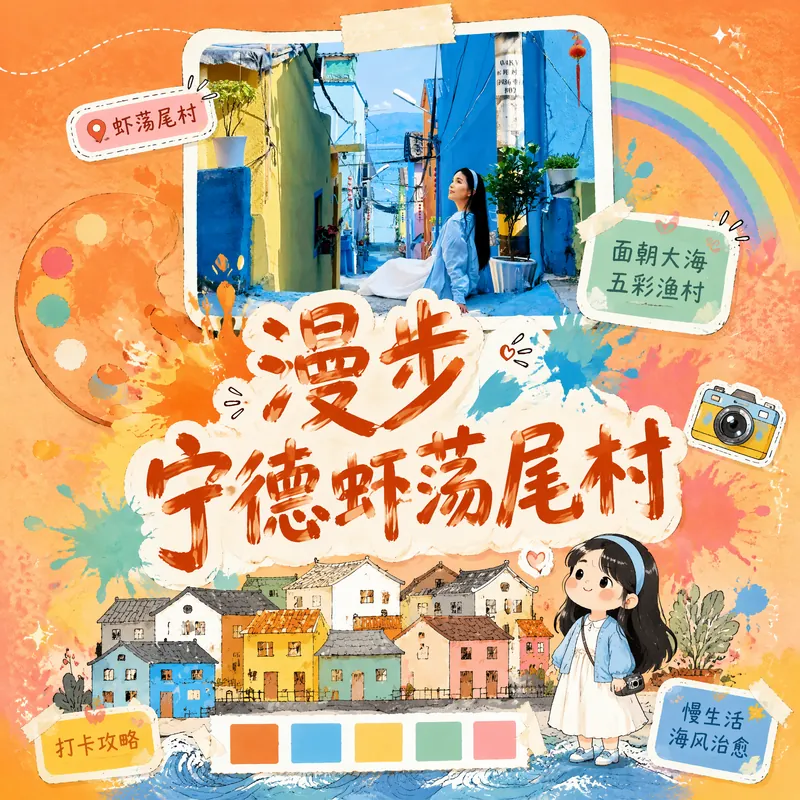
演示-生成游记长图设计任务
封面-方版1:1
演示-设计“解决问题”主题营销长图
封面-2.35:1横版头图(重做)
演示-生成复利主题营销长图
封面横版2.35:1-复利是什么
演示-生成《人间的四月天》营销长图
封面方版-你是人间的四月天
演示-生成游记长图设计任务
封面-方版1:1
Description
A long-form graphic design tool for designers. Complete five days' worth of work in one hour—anyone who's designed will understand the value of this Skill. Others may go without it, but you shouldn't. Based on your copy, assets, and style references, it can plan the graphic's panels, define a visual system, generate each panel, revise and optimize, deliver the final design, and create cover variations.
Related Skills
View all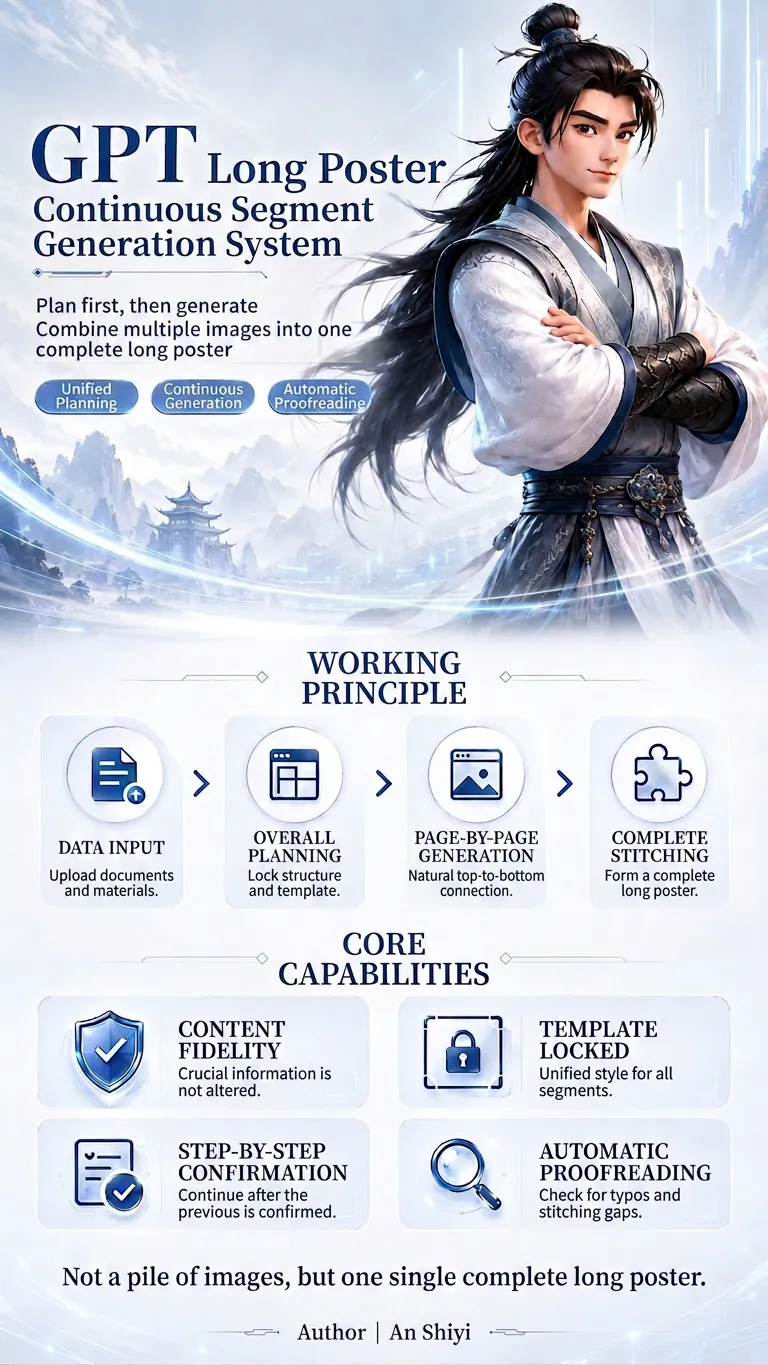 Image
ImageExtra-long Poster Generator
This is a GPT planning and generation system specifically designed for creating continuous extra-long posters. It can identify different tasks such as redesign, partial replacement, and template expansion; extract and protect key information like prices, names, benefits, and dates at varying levels of priority; and then unify the planning of the poster's information flow, segment count, and visual master template. When using it, simply upload your files and assets, and specify the aspect ratio, style, and purpose. The system will first output a complete plan, and after confirmation, generate each segment one by one. It supports content fidelity, master template locking, text whitelisting, segment-by-segment confirmation, automatic proofreading, and seam checking, reducing issues such as inconsistent styles, text errors, duplicated content, and disconnection between sections, ultimately producing a coherent and unified long poster.

IP Visual Studio Max
One image isn’t the problem. The question is: a year from now, will all 100 of your images still look like the same IP? IP Visual Studio Max helps you build a visual system you can reuse over the long term: a complete IP visual profile, an individual visual master template for each of 3–5 content series, character assets when you have an established character or personal image, and series content planning. Three stages: build the foundation first, then create sample designs Max is not a tool that generates images immediately. It first establishes the fundamentals: **Stage 1: Build your visual profile** Collect your complete IP visual DNA across 10 fields, including tone words, color palette, typeface feel, visual identity or alternatives, and more. Define character assets when you have an established personal image or character. Once the profile is complete, you’ll receive a portable DNA summary that you can save yourself. This is your asset, not a platform memory. **Stage 2: Build your series system** Organize 3–5 content series and create an independent visual master template for each one, covering the primary colors, composition, text style, and information-density rules. Establish adaptation rules for different platforms. **Stage 3: Create sample designs** Create the first representative sample for each series through the complete process: copy lock-in → visual blueprint approval → text-free base image → layout instructions. Once a sample is approved, it becomes the standard for all future content in that series. **Text-layer delivery** The standard delivery is a text-free base image plus layout instructions. You add the text using the tools you’re familiar with. If the host platform is verified to support deterministic text overlays, a precisely typeset final design may also be provided—but this is not a default feature. **About DNA archiving** Each time you confirm your DNA or series system, you’ll receive a portable summary. Bring it with you next time to restore the visual rules you’ve already confirmed. This is not the platform’s automatic, permanent memory—it is a long-term visual asset that you own. **Who it’s for** - Creators who are already publishing but lack a consistent visual style and want to organize it systematically - Knowledge-based creators who want to establish fixed content series and update them over the long term - Creators who need to hand visual guidelines to collaborators, with their personal IP as the starting point - Creators who have used Pro and want to build a more complete asset system on top of it **Not included** - Automatically typeset Chinese designs with perfectly integrated text (standard delivery is a text-free base image + layout instructions) - The platform’s automatic, permanent cross-task DNA archiving (a portable summary is provided for you to keep) - Replacing content operations strategy and decision-making - Rapid batch image generation (each image must go through the confirmation process) - Unlimited usage - Bundled plans, discounts, or package deals
 Image
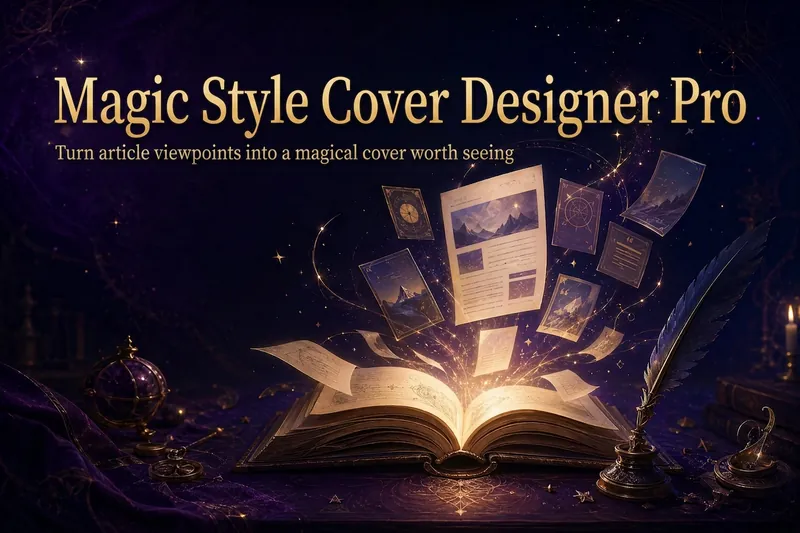
ImageMagic Cover Designer Pro
Turn an article title into a magical cover that makes its ideas stand out. “Magic Cover Designer Pro” is not a random image generator. It is a visual content packaging workflow: “content understanding → title confirmation → visualizing ideas → platform adaptation → cover generation.” It helps preserve the real title and subtitle while transforming an article’s core ideas, emotions, and narrative relationships into vivid, engaging magical visuals with a distinct identity. It supports Twitter long-form posts or Threads, WeChat Official Account articles, Xiaohongshu Notes, product introductions, knowledge sharing, growth retrospectives, and personal brand content. The Skill first identifies the article’s original title, original subtitle, and core idea. The original title is used as the default main cover title, while the original subtitle is prioritized as the cover subtitle. The core idea does not directly replace the cover text; instead, it guides the choice of subject, symbols, composition, lighting, and visual metaphors. It matches visual strategies to different content types: practical breakdowns use magical blueprints or step-by-step scrolls; growth retrospectives use journeys and illuminated paths; contrarian ideas use light-and-shadow conflicts or broken seals; product introductions use magical workshops and core devices; knowledge sharing uses academy archives and spellbooks; and case studies use before-and-after changes and narrative scenes. When a title is too long, it provides both the original-title version and a concise version for you to confirm, without rewriting it on its own. When there is no subtitle, it first offers candidate copy instead of placing an unconfirmed idea directly into the image. Its default visual language combines retro fantasy with magical journaling: deep purple, midnight blue, black-brown, antique bronze, and warm gold, along with parchment, quill pens, spellbooks, sealing wax, stardust, and other tactile elements. It can also draw shared colors, materials, lighting, and narrative qualities from reference images, but it does not copy the specific composition, people, logos, or distinctive elements of any single image. For each platform, it adapts the aspect ratio, text density, subject size, whitespace, and thumbnail legibility to real reading contexts. It is suitable for knowledge creators, personal brands, product authors, and content creators who want to build a consistent visual identity. It does not fabricate numbers, results, identities, or brand endorsements, and it does not promise viral performance. It simply helps the visuals support real content more accurately and vividly.
Information
- Version
- v12
- Last updated
- Runtime credits
- Usage-based
- Models
- GPT Image 2
