
No prompts found
TRY SEARCHING FOR SOMETHING ELSE
Try These AI Skills Instead
Discover featured tools that can help you generate amazing content.
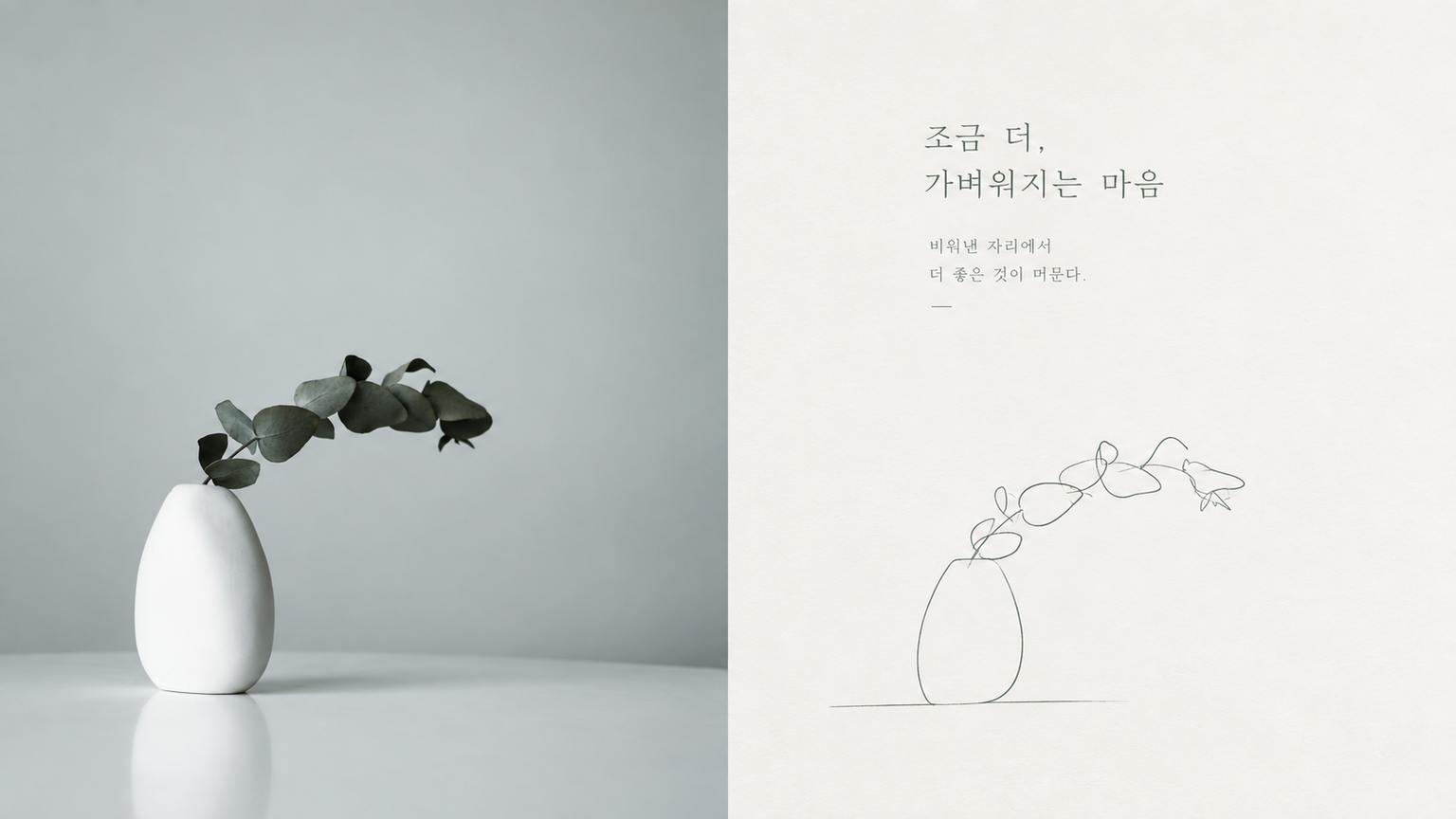
Quiet Line | xiaoxiaodong P257
Ideal for reducing a subject to an ultra-minimal emotional symbol. The top is the original image; the bottom removes all but the essential clues, letting viewers complete it for themselves. The subject can be very small or appear only as a partial outline. The line feels like a quiet note, with pauses and room to breathe. Use no more than a few auxiliary lines, and make sure each one serves the emotion. Aim for a form where removing even one more stroke would make it fail. Avoid complete outlines, complex scenes, and mechanically uniform lines.

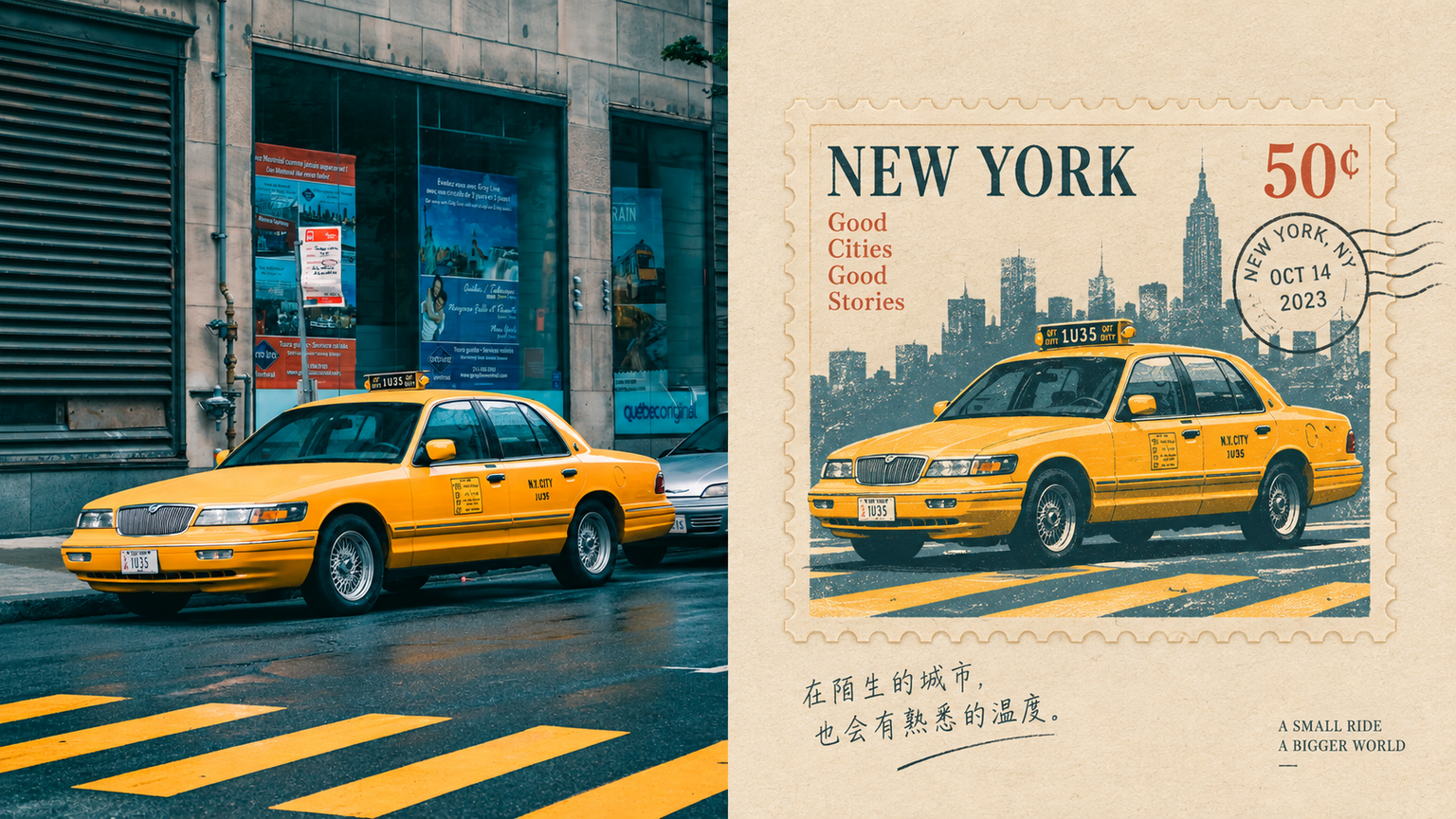
Travel Memory Stamp | xiaoxiaodong P255
Perfect for turning ordinary moments into collectible personal memories. The original image fills the upper half; the lower half keeps only the anchor that best establishes its identity, resolved as a stamp. The stamp is the creative core, not a decorative border. It can be centered, offset, placed at the edge, or slightly cropped. Keep the colored-pencil, crayon, paper-grain, and uneven screen-print qualities. Lines may wobble slightly, and colors may stray slightly beyond the edges. Avoid complete scenes, smooth digital illustration, and stamps used only as borders.

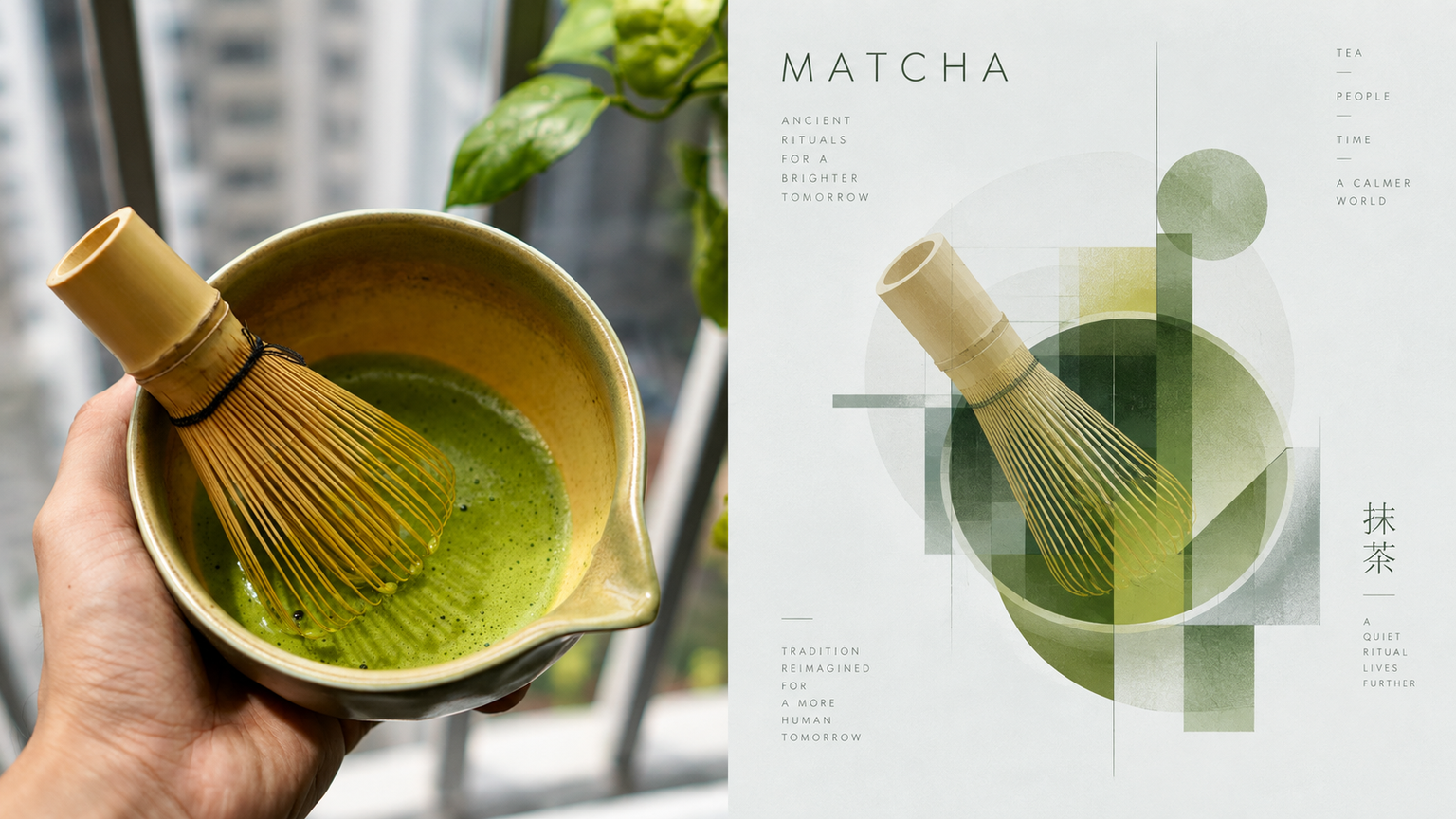
East Geo | xiaoxiaodong P254
A visual archive for distilling real objects into forms re-encoded by a future civilization. The upper half is the original photo; the lower half removes most information and rebuilds the subject’s identity with rectangles, circles, irregular polygons, and planes. Parts may be obscured, missing, or floating. Blank space represents the unknown, time, and Eastern emptiness. One core geometric form carries the narrative. Avoid realistic depiction, fully filled environments, and decorative geometry unrelated to the subject.

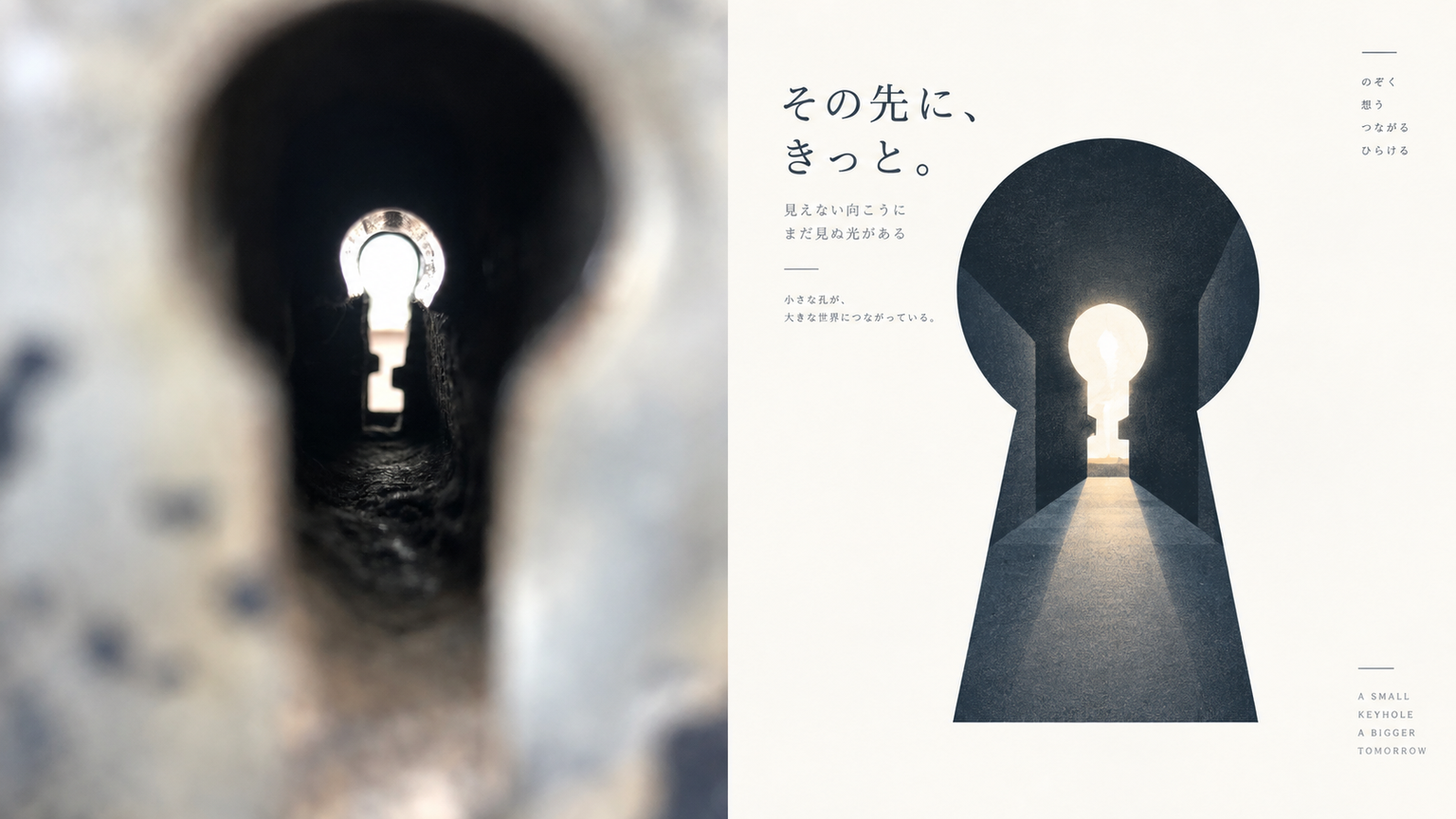
Flat Key | xiaoxiaodong P253
Ideal for turning a photo into a highly distilled, flat symbol. The top half shows the original image; the bottom half keeps only the outer silhouette, structural relationships, and emotional features, using layered color blocks and geometric simplification to create a memorable visual. The subject can be centered, offset, cropped, or floating. The style is modern flat illustration: simple shapes, soft contours, limited color blocks, and a subtle hand-drawn touch. No realistic textures or complex lighting. Avoid filling the frame or adding secondary objects.

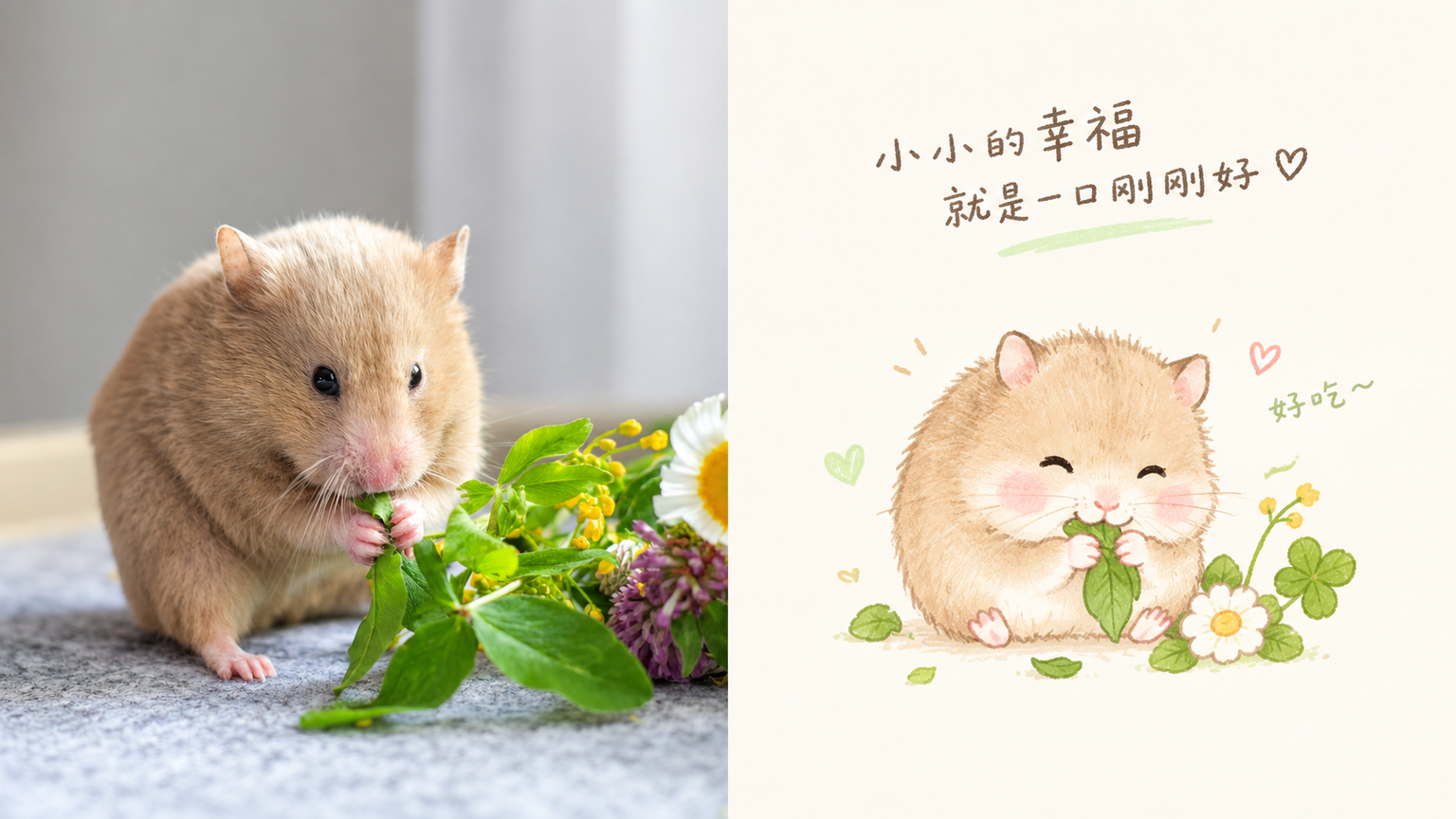
Healing Stickers | xiaoxiaodong P252
Ideal for turning ordinary objects into comforting symbols with a sense of companionship. The top half shows the original image; the bottom half reduces it to one visual cue, summarized as a rounded miniature character or symbolic form. A slightly childlike style is welcome, as long as the subject remains recognizable. The subject does not need to fill the frame—think of it as a gentle moment in a journal. Keep pauses and imperfections in the lines. Small stars or flowers may appear, but do not crowd the design. Avoid precise vector styling, fully filled backgrounds, and results where the original object is unrecognizable.

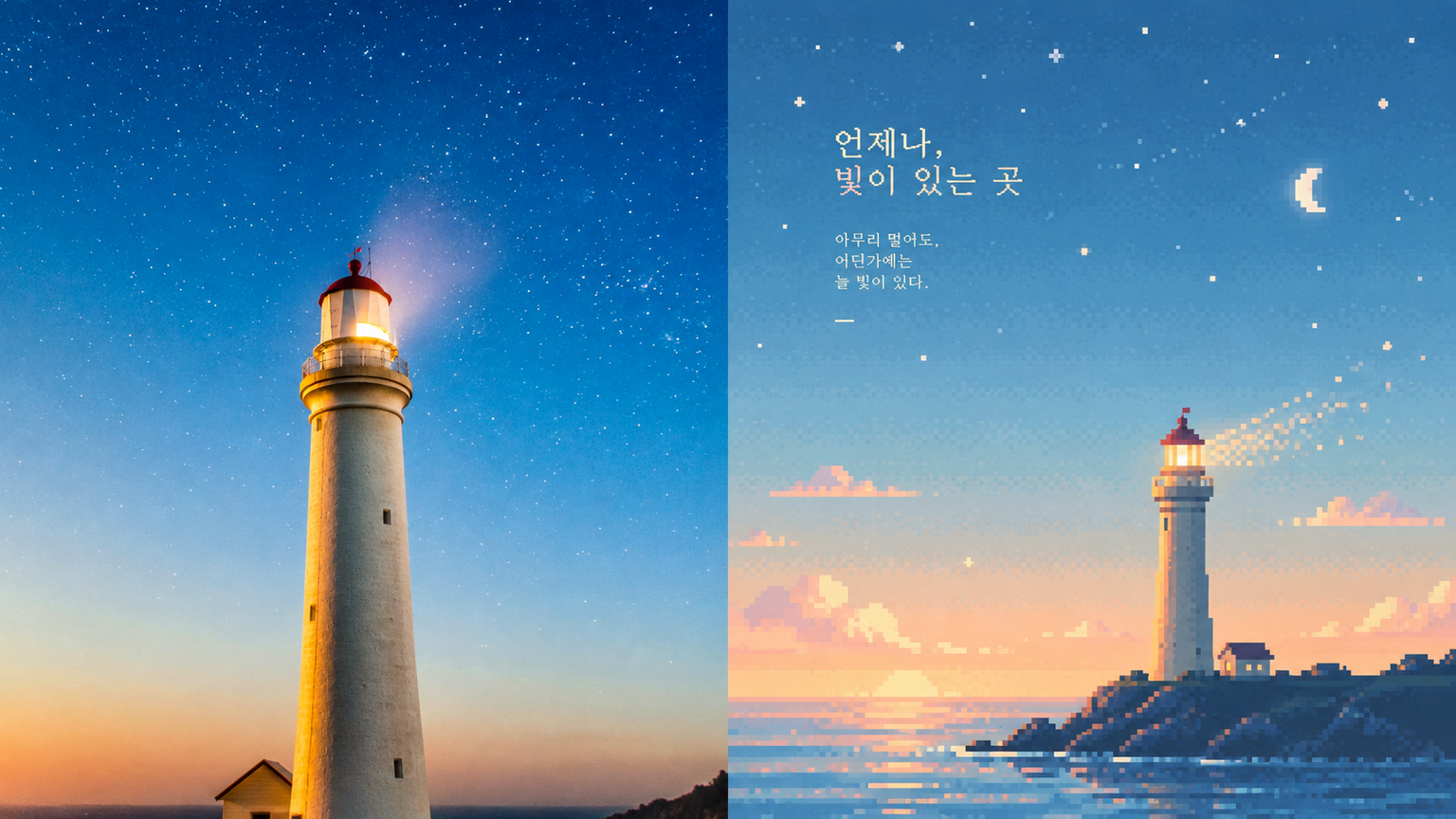
Pixel Mood | xiaoxiaodong P249
Ideal for compressing ordinary scenes into a quiet moment from a retro game world. The upper half is the original photo; the lower half reduces information while preserving its essence and silhouette. The subject may be off-center, farther away, or cropped. The sky, mist, water, or empty space carries the emotion. Colors are drawn from the most vibrant tones in the original photo and shifted to misty blue, pale cyan, mint green, creamy yellow, warm beige, and soft pink. The result is clear and warm—not gray, muddy, or highly saturated. Avoid ordinary pixel filters and overly filled-in scenes.

Common Questions
Ready to create with
YouMind?
Turn these prompts into images with the models available in YouMind.
LET YOUR IMAGINATION SOAR